
Encyclopedic Reference
A History of European Automotive Heritage
From the Volkswagen Beetle to the LaFerrari. Seven decades of design, engineering, and motorsport told through the 175 vehicles documented in the Auto Heritage archive. The story of how Europe built the car, perfected the car, and redefined the car.
Contents
Post-War Renaissance
From rubble to the autobahn: Europe rebuilds on four wheels
Europe emerged from the Second World War with its factories bombed, its economies shattered, and an urgent need for affordable personal transportation. The response produced some of the most consequential automobiles in history, vehicles that motorized entire nations and established design philosophies that persist to this day.
The Volkswagen Beetle, conceived in the 1930s but mass-produced from 1945 onward, became the people's car that Ferdinand Porsche had envisioned. Its air-cooled, rear-mounted flat-four engine and torsion-bar suspension were unconventional but robust. By the time production ended in 2003, over 21.5 million had been built, making it the most-produced car on a single platform in history.
The Fiat 500, launched in 1957, did for Italy what the Beetle did for Germany. A 479cc two-cylinder engine, just 2.97 meters long, and seating for four (theoretically). Dante Giacosa's design motorized a generation of Italian families and became a symbol of La Dolce Vita. Nearly 3.9 million were produced.
The Citroen DS, unveiled at the 1955 Paris Motor Show, was so far ahead of its time that it seemed to arrive from the future. Hydropneumatic self-leveling suspension, power steering, semi-automatic transmission, directional headlights, and a body designed in collaboration with sculptor Flaminio Bertoni. Citroen received 12,000 orders on the first day. Roland Barthes compared it to a gothic cathedral.
The Mercedes-Benz 300 SL Gullwing (1954) demonstrated that a sports car could be both technically advanced and breathtakingly beautiful. Its mechanical fuel injection system, derived from the DB 601 aircraft engine, was the first in a production car. The tubular space frame necessitated the iconic gullwing doors. Only 1,400 coupes were built. Today they are among the most valuable cars in the world.
“The most beautiful car ever made.”
Enzo Ferrari, on the Jaguar E-Type, 1961
Key Moments
Featured Vehicles
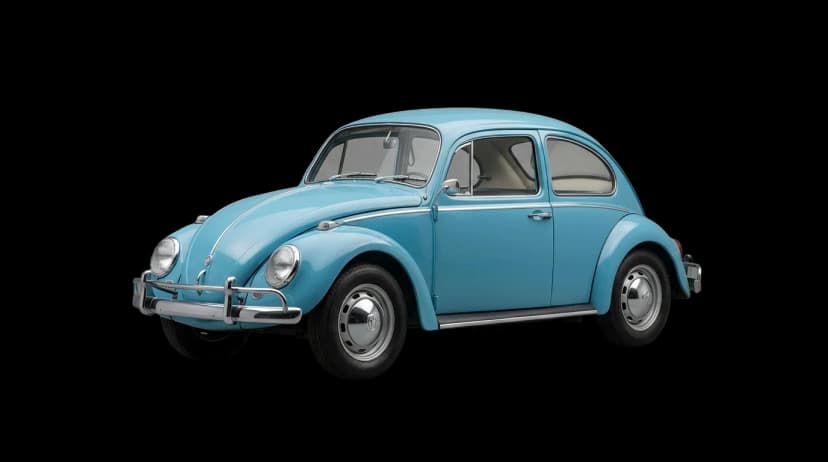
The most produced car in history: 21.5 million built. Ferdinand Porsche designed it as Hitler's people's car. After the war, British Army officer Ivan Hirst saved the Wolfsburg factory from demolition and restarted production. The Beetle became a symbol of economic recovery, counterculture, and democratic mobility.
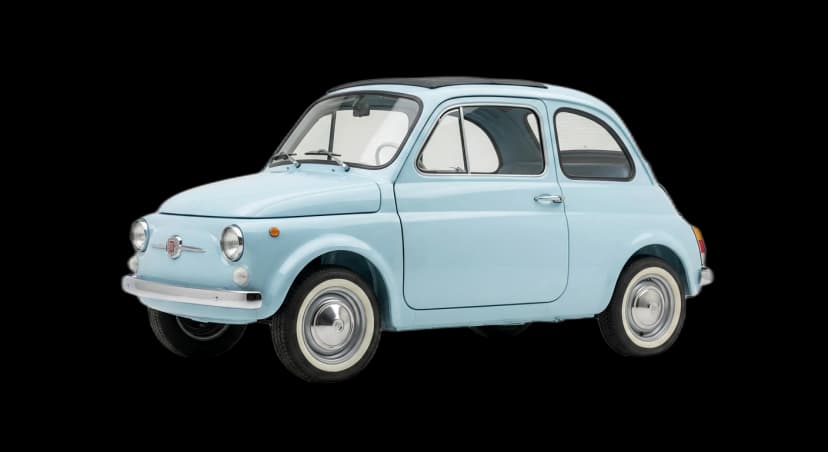
Italy's people's car. 3.9 million built. Motorized an entire nation during the economic miracle of the 1960s. The rear-engine, air-cooled layout and full-width canvas roof made it practical despite being shorter than most modern SUV bumpers.
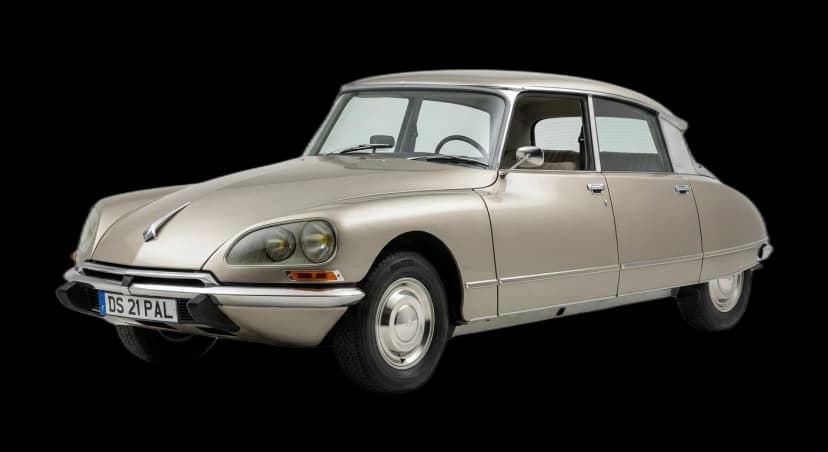
The Goddess. Hydropneumatic suspension, directional headlights, fiberglass roof, semi-automatic gearbox — all in 1955. 20 years ahead of everything.
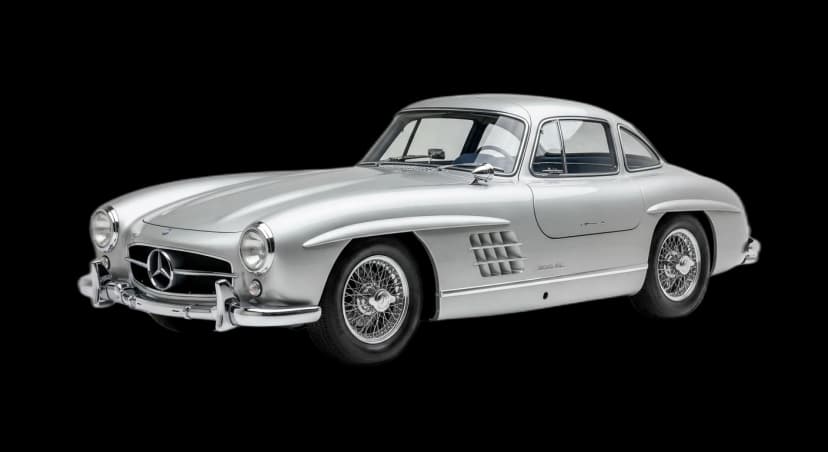
The most important Mercedes-Benz ever built. The gullwing doors were not a styling choice but an engineering necessity dictated by the tubular space frame chassis. First production car with fuel injection. Born from the W194 Le Mans-winning race car.
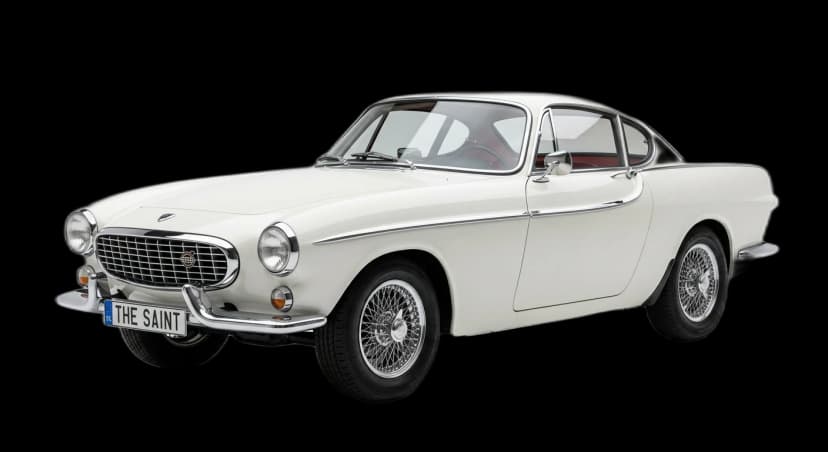
The Saint's car. Roger Moore drove a white P1800 in the TV series. A Volvo P1800 also holds the Guinness record for highest mileage: 3.2 million miles.
The Swinging Sixties
The GT car, the mid-engine revolution, and the birth of the supercar
The 1960s were the golden decade of European automotive design. In this single era, Lamborghini invented the mid-engine supercar, Porsche defined the rear-engine sports car, and British manufacturers produced grand tourers that became cultural icons. The cars were fast, beautiful, and dangerous in roughly equal measure.
The Jaguar E-Type (1961) set the standard for accessible sports car design. Its inline-six engine, independent rear suspension, and monocoque construction offered genuine 150 mph performance at a fraction of the price of a Ferrari. The Aston Martin DB5 (1963), made famous by James Bond, was the quintessential British GT: restrained power, exquisite craftsmanship, and an interior that smelled of leather and walnut.
Ferruccio Lamborghini, a tractor manufacturer frustrated by the clutch in his Ferrari, started building his own cars in 1963. The Lamborghini Miura, launched in 1966 with a transversely-mounted V12 behind the driver, is widely regarded as the first supercar. It was designed by Marcello Gandini at Bertone. He was 28 years old. The Miura could reach 280 km/h and looked like nothing that had come before.
The Porsche 911, introduced in 1963 as the replacement for the 356, established a formula that Porsche would refine for the next 60 years: flat-six engine hung behind the rear axle, rear-wheel drive, and a silhouette that every subsequent 911 has echoed. The car's handling, dominated by the rear weight bias, was challenging but rewarding. Porsche never moved the engine.
The Alfa Romeo 33 Stradale (1967) was a road car built on a racing chassis, with a 2.0-liter V8 revving to 10,000 rpm. Only 18 were produced. The Ferrari Dino 246 GT (1969), named after Enzo's son, was the first mid-engine Ferrari road car. The Alpine A110 (1962) proved that a lightweight, nimble car could defeat far more powerful rivals in rallying. BMC's Mini Cooper S (1963) did the same thing at Monte Carlo, beating the factory teams with an engine smaller than most motorcycles.
“I build a car to go, not to stop.”
Ferruccio Lamborghini, 1966
Key Moments
Featured Vehicles
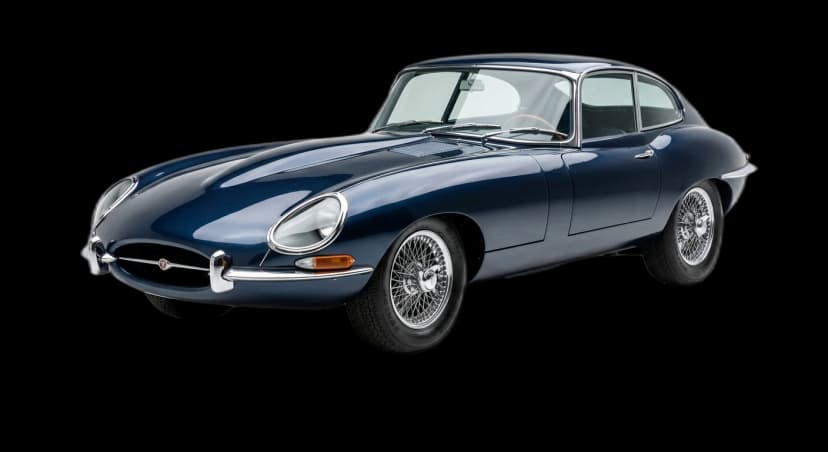
Enzo Ferrari called it 'the most beautiful car ever made.' Malcolm Sayer, an aerodynamicist, designed the shape using mathematical formulae rather than artistic intuition. At 150 mph for GBP 2,097, it cost a third of a Ferrari and was just as fast. The car that made Jaguar a global brand.

The Bond car. Goldfinger made the DB5 the most famous GT in the world. Superleggera construction, inline-6 power, and timeless elegance.
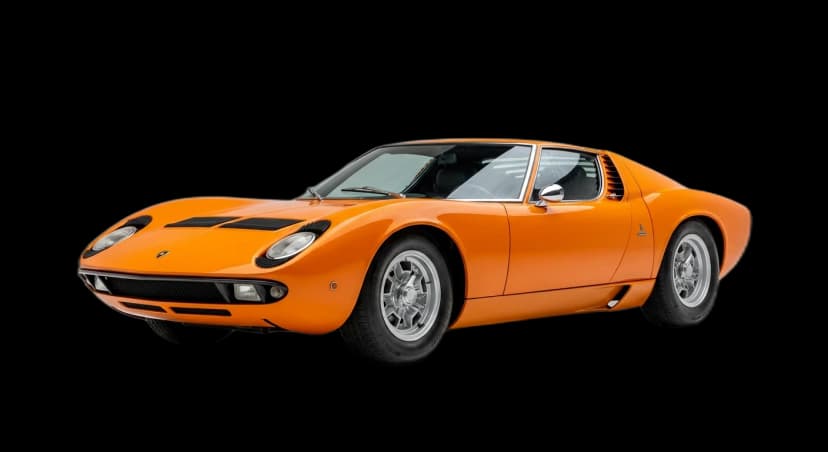
The car that invented the mid-engine supercar. Marcello Gandini was 27 years old when he designed it at Bertone. The transversely mounted V12 behind the driver created a template that every supercar since has followed.
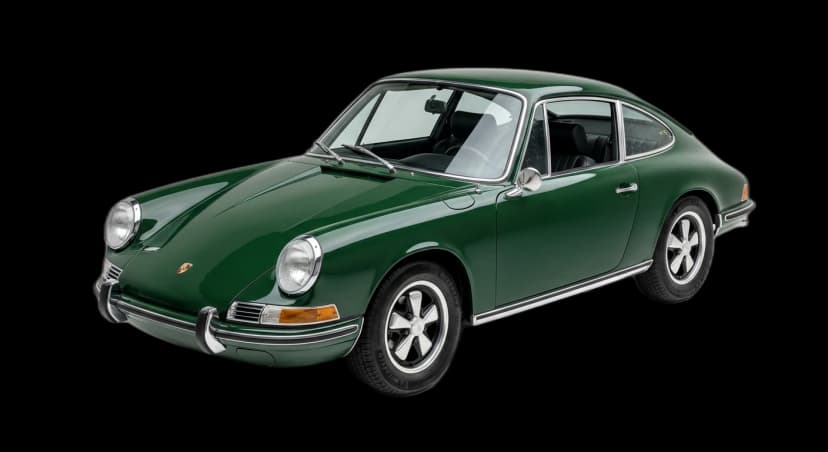
Original long-hood 911
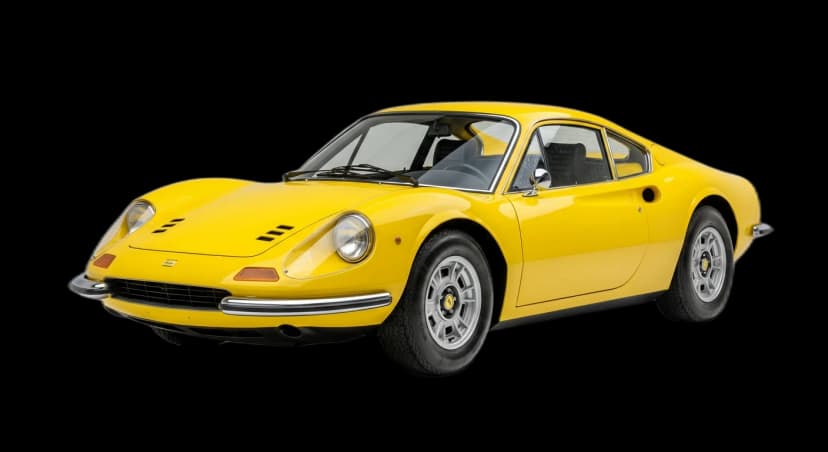
Named after Enzo Ferrari's son Alfredo 'Dino' who died at 24. The first mid-engine Ferrari road car. Originally sold without the Ferrari badge because Enzo considered a V6 unworthy of the prancing horse. Now universally recognized as one of the most beautiful Ferraris ever built.
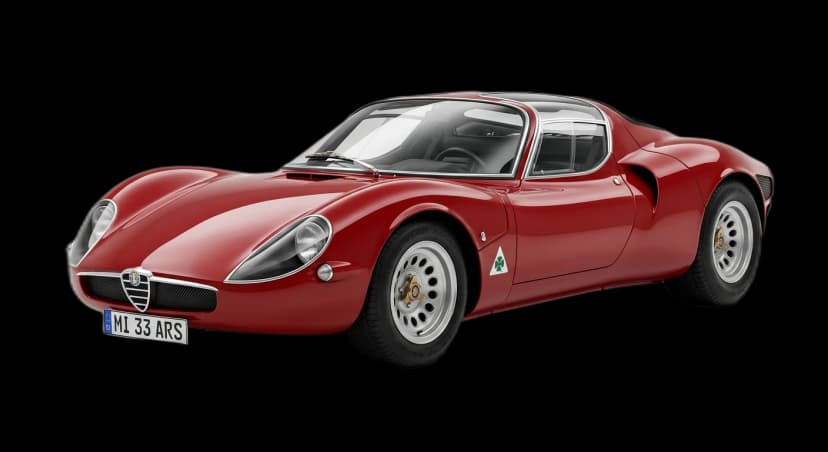
Perhaps the most beautiful car ever made. Only 18 built. A 2-litre V8 that revved to 10,000rpm in a body that weighed 700kg — pure art.
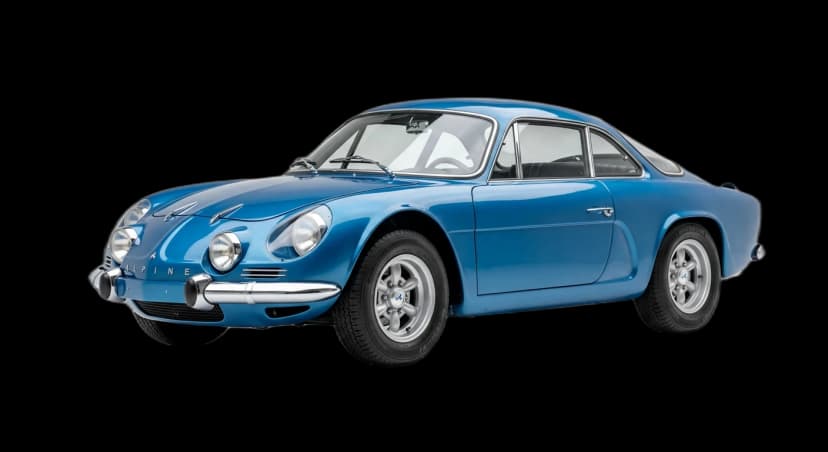
Won the first ever World Rally Championship in 1973. Jean Redele's lightweight philosophy: a fiberglass body over a tubular steel backbone chassis weighing just 620 kg. The French answer to the Porsche 911, proving that less weight beats more power.

Rewrote the small car rules. Won Monte Carlo Rally 3 times. Issigonis put the engine transversely, invented modern FWD — every hatchback since copies this layout.
The Wedge Era
Angular design, oil crises, and the Porsche 917
The 1970s split the automotive world in two. Supercars went angular and theatrical, while the energy crisis forced mass-market manufacturers to rethink everything. Emission regulations, safety standards, and fuel economy concerns collided with some of the most outrageous designs ever penned.
The Lamborghini Countach LP400 (1974) was Marcello Gandini's follow-up to the Miura, and it was even more radical. A longitudinally-mounted V12, scissor doors, and a body that looked like it had been designed with a straight edge and a protractor. The Countach defined what a supercar was supposed to look like for the next two decades. Children hung its poster on their bedroom walls.
Porsche's evolution in this decade was relentless. The 911 Carrera RS 2.7 (1972) was the first production car to use a rear spoiler (the 'ducktail') for aerodynamic downforce. The 911 Turbo 930 (1975) strapped a turbocharger to the flat-six, producing 260 hp and snap-oversteer that earned it a fearsome reputation. The Porsche 917 (1969-1973) dominated Le Mans, producing over 1,100 hp in turbocharged Can-Am form and securing Porsche's first overall victories at the 24 Hours.
The BMW 2002 Turbo (1973) was Europe's first turbocharged production car. Only 1,672 were built before the oil crisis killed demand. It was crude, lag-prone, and thrilling. The Jensen Interceptor III, with its American V8 and Italian styling by Touring of Milan, was the most elegant of Anglo-American hybrids.
The De Tomaso Pantera, designed by Tom Tjaarda at Ghia, put a Ford V8 behind the driver in a sleek Italian body. It was sold through Lincoln-Mercury dealers in the United States, the most unlikely distribution channel for a mid-engine exotic. Elvis Presley owned one. He shot it when it would not start.
Giorgetto Giugiaro's Lotus Esprit S1 (1976), first sketched on a napkin, combined a fiberglass body with a turbocharged four-cylinder to create a lightweight mid-engine sports car. It became a cultural icon after appearing in The Spy Who Loved Me as a submarine.
“If you can turn, you don't have enough horsepower.”
Mark Donohue, Porsche 917/30 driver, 1973
Key Moments
Featured Vehicles
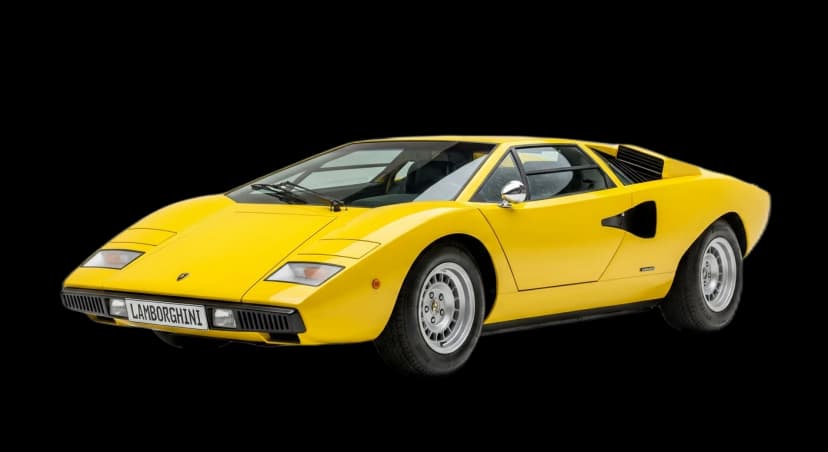
The bedroom poster car. Gandini's wedge shape defined the supercar silhouette and made Lamborghini a household name.
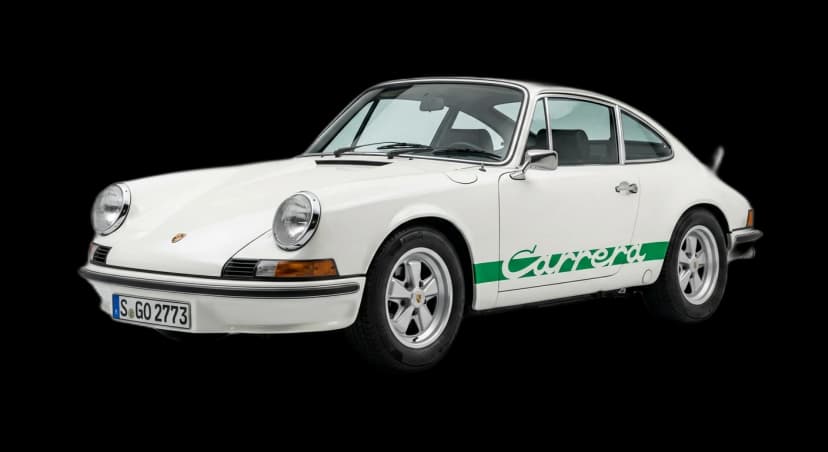
The most collectible 911 ever made. The ducktail spoiler and Carrera script defined the sports car silhouette for a generation.
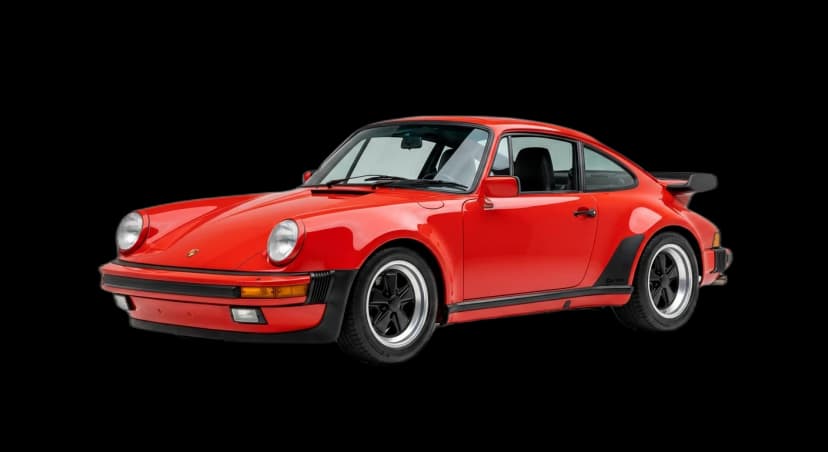
The Widowmaker. The whale tail, wide arches, and turbo lag that could kill you made the 930 the most feared and desired 911 of the 1970s-80s.
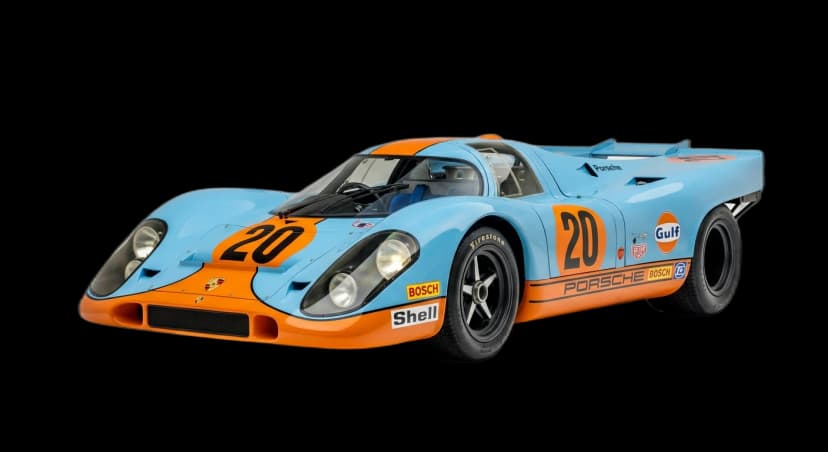
The car from Steve McQueen's Le Mans film. Porsche's first outright Le Mans winner (1970, 1971). Ferdinand Piech pushed through the 25-car homologation run despite the board's reservations. The Gulf-liveried 917K is the most iconic racing livery in history.
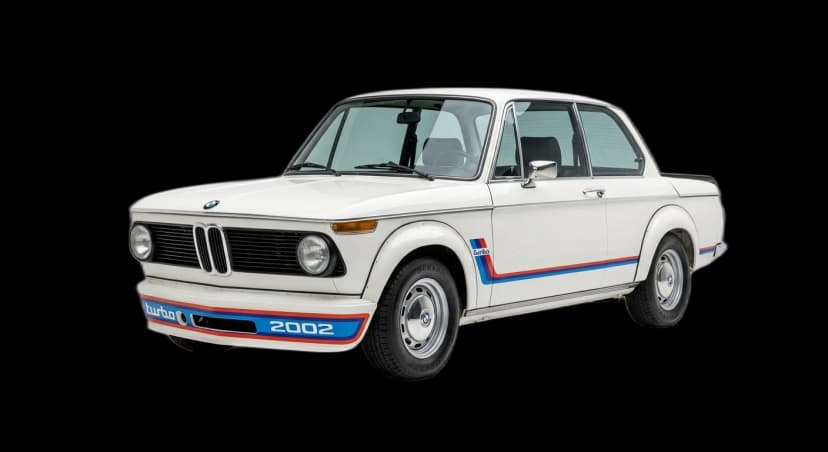
The car that built BMW. First European turbocharged production car. The 2002 transformed BMW from a struggling manufacturer of economy cars and luxury sedans into the ultimate driving machine. The Turbo variant was the most extreme expression of this philosophy.
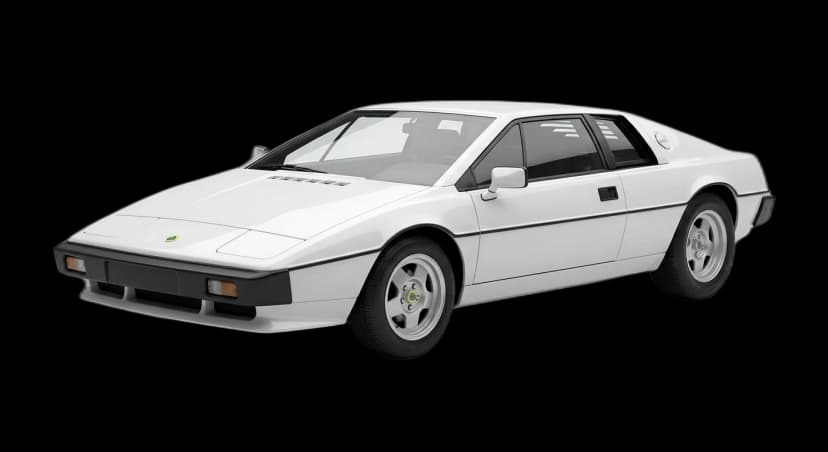
Giugiaro's folded-paper masterpiece. Became a submarine in The Spy Who Loved Me, giving it cultural immortality. The wedge shape defined 1970s supercar design. Four generations over 28 years, evolving from naturally aspirated four-cylinder to twin-turbo V8.
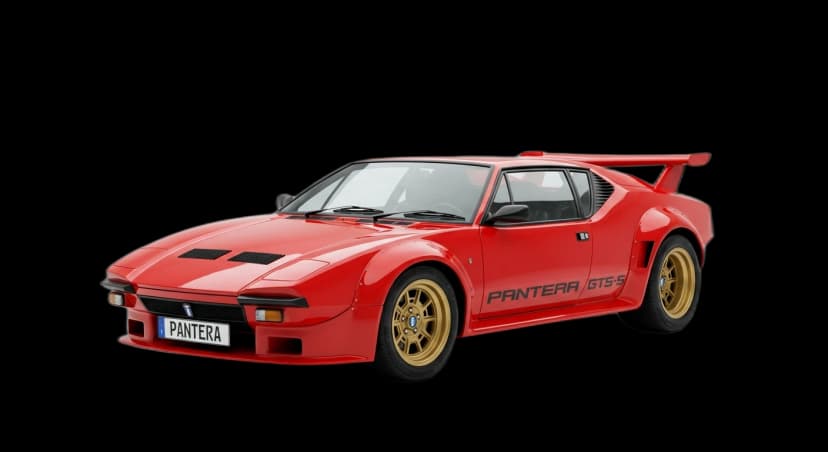
Italian looks, American V8 muscle. Ford sold them through Lincoln-Mercury dealers. Elvis shot his when it wouldn't start.

Chrysler V8 in a Touring-designed body with the most beautiful glass tailgate ever designed. The ultimate 1970s GT cruiser.
The Turbo Revolution
Group B, hot hatches, and the greatest decade of the driver's car
The 1980s were the decade when European manufacturers weaponized the turbocharger. From 205 Turbo 16s launching off Corsican mountain roads to the Ferrari F40's twin-turbo V8, forced induction transformed every category of automobile. It was also the decade of the hot hatch, the rally homologation special, and the last generation of cars built before electronics took over.
Group B rallying (1982-1986) was the most dangerous and spectacular era of motorsport. Manufacturers built road-legal homologation specials of extreme capability: the Peugeot 205 Turbo 16 with its mid-mounted turbocharged engine, the Lancia Delta Integrale with permanent all-wheel drive, and the Lancia Stratos (technically from the 1970s) that preceded them all. Group B was banned after fatal accidents in Portugal and Corsica in 1986, but the cars it produced remain among the most collectible in the world.
The Volkswagen Golf GTI Mk1, introduced in 1976 but defining the 1980s hot hatch category, proved that a front-wheel-drive hatchback with a fuel-injected engine could deliver genuine sports car thrills at family-car prices. It created an entire market segment. The Renault 5 Turbo (1980) took the concept to extremes, moving the engine behind the driver and widening the body to accommodate massive rear tires.
The BMW M3 E30 (1986) set the standard for the sports sedan. Its four-cylinder engine, derived from BMW's M1 mid-engine supercar, revved to 7,000 rpm with mechanical precision. In Group A touring car racing, it was nearly unbeatable. The Saab 900 Turbo (1978) brought turbocharging to the premium sedan segment, while the Land Rover Defender (1983) continued a lineage of rugged utility that had begun in 1948.
The decade's two apex predators were the Porsche 959 (1986) and the Ferrari F40 (1987). The 959, with sequential turbochargers, electronically-controlled all-wheel drive, and a top speed of 317 km/h, was the most technologically advanced road car ever built. The F40, the last car personally approved by Enzo Ferrari before his death in 1988, was its philosophical opposite: a twin-turbo V8 in a Kevlar body with no carpet, no door handles, and no concessions to comfort. It was the first production car to exceed 200 mph.
The Morgan Plus 8 (1968-2004) and the Ferrari Testarossa (1984) occupied opposite ends of the spectrum. The Morgan was hand-built on an ash wood frame using techniques unchanged since the 1930s. The Testarossa, with its iconic side strakes and flat-twelve engine, was the most recognizable car of the decade. Both were uncompromising in completely different ways.
“I don't sell cars. I sell engines. The car I throw in for free.”
Enzo Ferrari, 1980s
Key Moments
Featured Vehicles
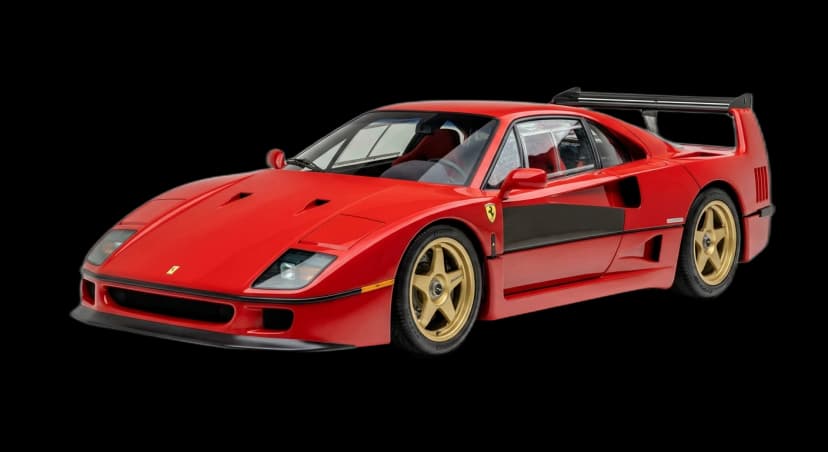
The last Ferrari personally approved by Enzo Ferrari before his death in 1988. The first production car to exceed 200 mph. Built to celebrate Ferrari's 40th anniversary with no compromise to comfort, no power steering, no ABS, and Kevlar-reinforced carbon fiber bodywork.
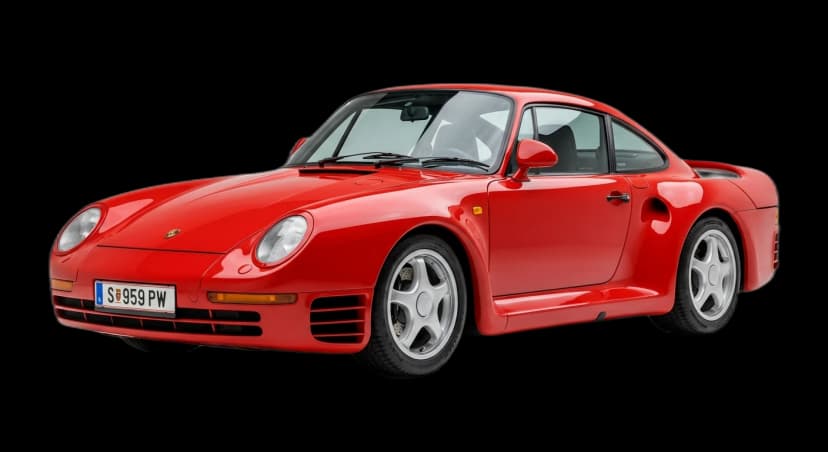
The tech tour de force of the 1980s. Sequential turbocharging, computer-controlled AWD, tire pressure monitoring — all firsts.

The original M3. A Group A homologation special that defined the sports sedan forever.
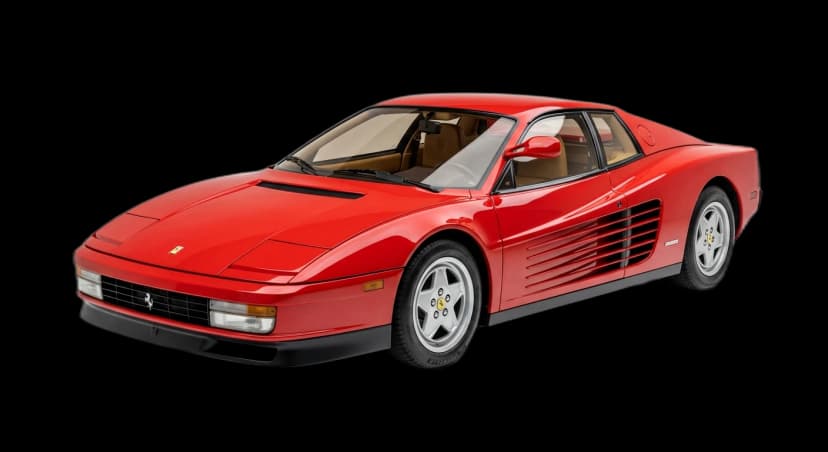
The side strakes and wide hips made the Testarossa the defining car of the 1980s — Miami Vice, Wolf of Wall Street, every poster wall.
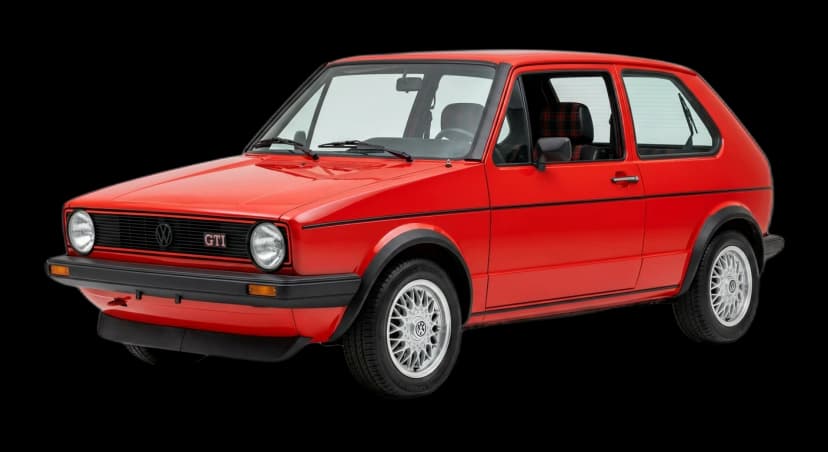
The Volkswagen Golf GTI Mk1 created the hot hatchback category and became one of the most influential cars in automotive history. Its formula of a fuel-injected engine in a practical hatchback body proved that performance and practicality were not mutually exclusive, spawning an entire genre that endures to this day.
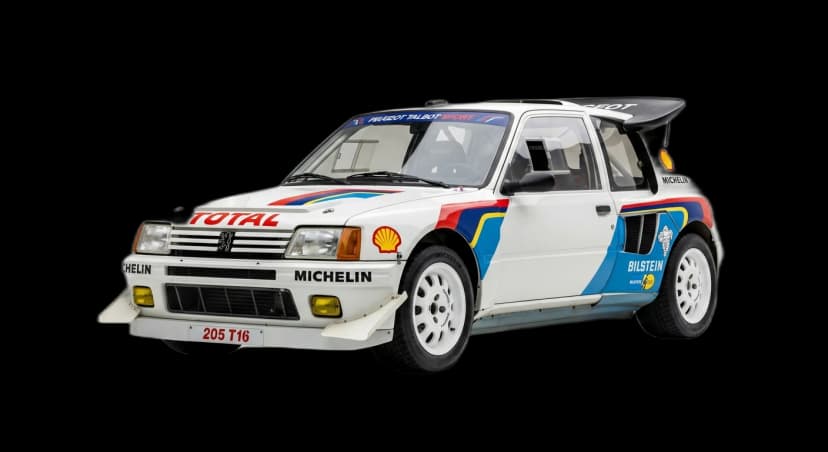
Group B homologation special. Mid-engine, all-wheel drive, built from a humble supermini. Won 16 WRC rallies including the 1985 and 1986 championships. Only 200 road cars built. Ari Vatanen's climb at Pikes Peak in the T16 is one of the most famous motorsport moments ever filmed.
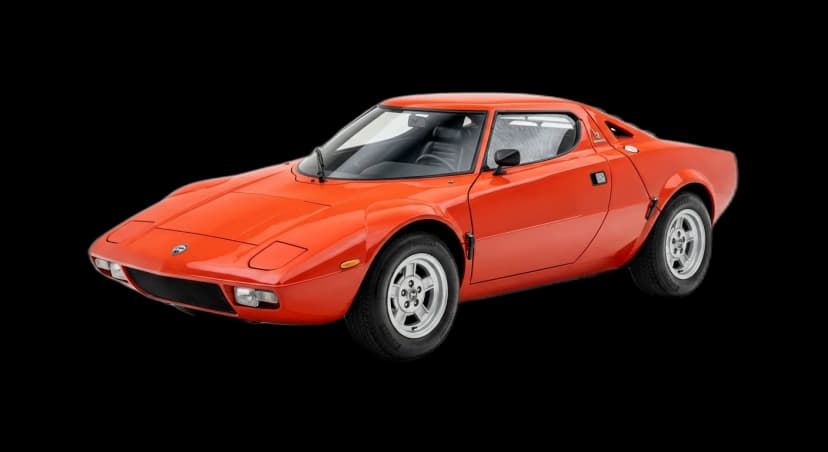
The first car designed from the ground up purely for rallying. Gandini's wedge-shaped Bertone design housed a Ferrari Dino V6 behind the driver. Won three consecutive World Rally Championships (1974-1976). Only 492 road cars built for homologation.
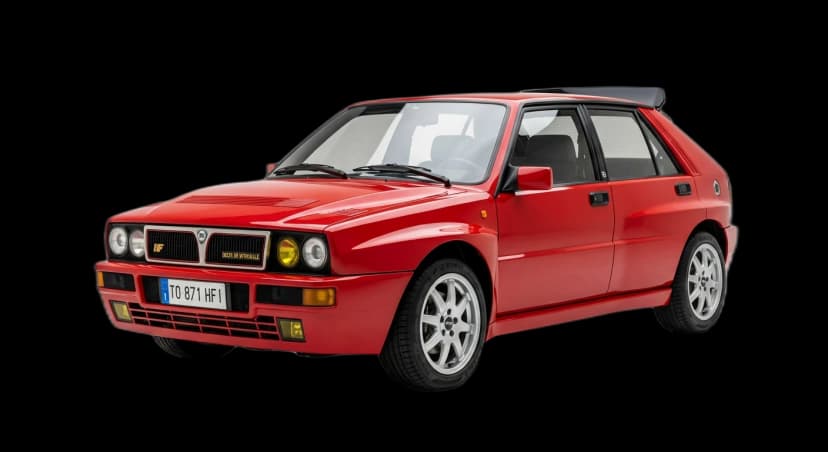
Six consecutive World Rally Championship titles. The Delta Integrale is the most successful rally car in history, built in road-legal form because the rules demanded it.
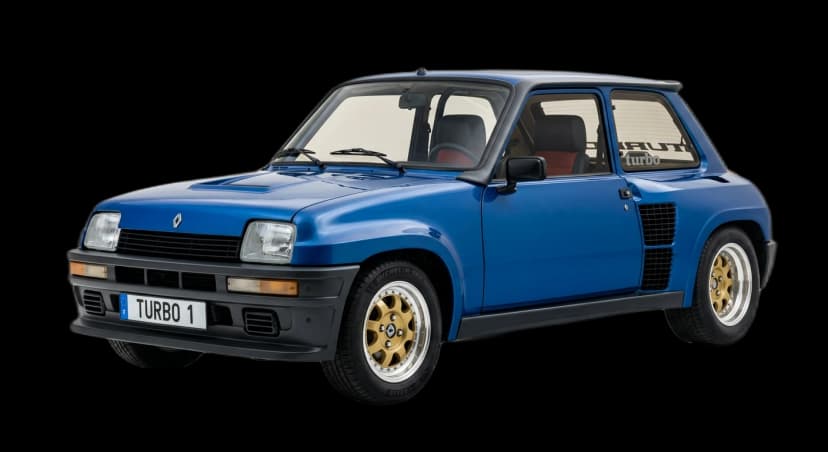
Mid-engine turbo hot hatch — Renault ripped out the rear seats and put the engine behind the driver. Rally homologation madness at its purest.
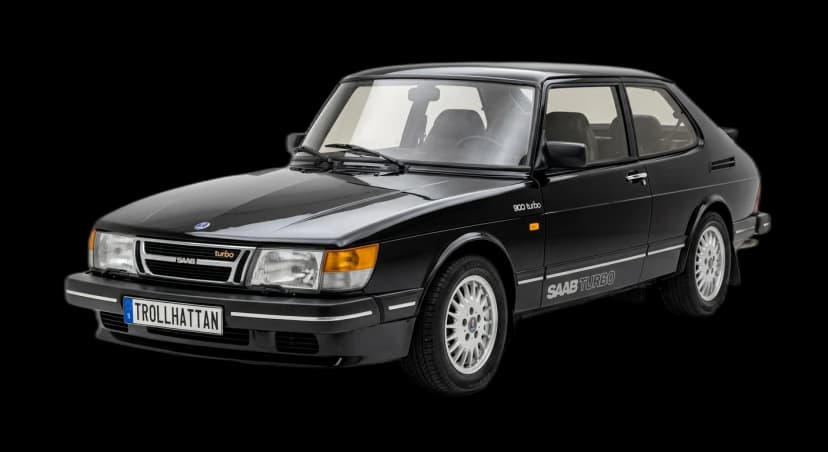
The quirky Swedish icon. Aircraft-heritage ignition by the handbrake, turbocharged before turbo was cool, and a dashboard designed to avoid pilot error.
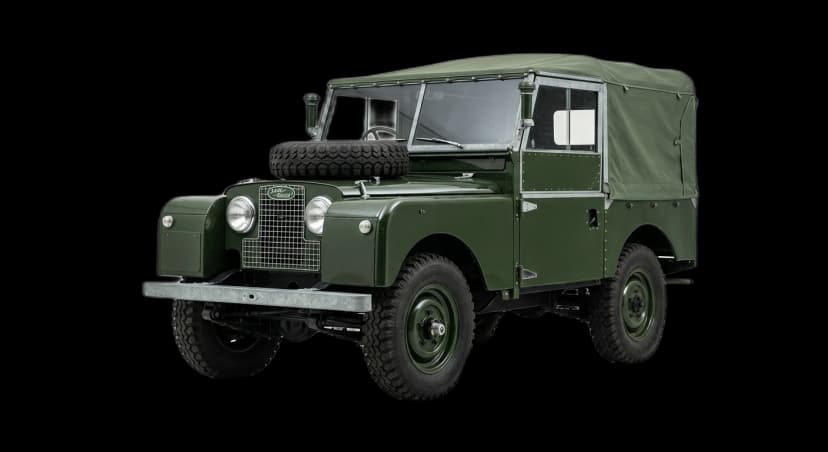
The original go-anywhere vehicle. 67 years of continuous production across Series I, II, III, and Defender. Built for farmers, armies, aid workers, and adventurers. Over 2 million produced. The shape barely changed because it never needed to.

Hand-built since 1968 with an ash wood frame. A Rover V8 in a car whose basic design dates to 1936. Waiting list was 10 years long.
The Analogue Greats
The last generation before electronics took over
The 1990s produced supercars that many consider the greatest ever built. They shared a common trait: they were the last cars designed primarily around mechanical feel rather than electronic intervention. No stability control. No launch control. No hybrid assist. Just engine, chassis, driver.
The McLaren F1 (1992) was designed by Gordon Murray with a single obsession: it would be the finest driver's car ever made. A naturally aspirated BMW V12, a central driving position flanked by two passenger seats, a body engineered with ground-effect aerodynamics, and a gold-foil-lined engine bay for heat reflection. It held the top speed record (386 km/h) for over a decade. Only 106 were built. Today they sell for over $20 million.
The Bugatti EB110 GT (1991) was Romano Artioli's attempt to revive the Bugatti name. Its quad-turbocharged 3.5-liter V12, all-wheel-drive system, and carbon-fiber monocoque were ahead of their time. The company went bankrupt in 1995, but the EB110 has been retroactively recognized as a landmark.
The Pagani Zonda F (2005), built by Horacio Pagani in a small factory near Modena, combined a Mercedes-AMG V12 with an obsessive attention to detail that bordered on the pathological. Every bolt was titanium. Every carbon fiber weave was visible and deliberate. Pagani proved that a one-man vision could compete with established manufacturers.
The Porsche Carrera GT (2004) was conceived as a racing car that became a road car. Its 5.7-liter V10, originally designed for a Le Mans prototype, revved to 8,400 rpm with a sound that many consider the finest ever produced by a production car. The ceramic clutch was notoriously unforgiving. The chassis had no electronic stability aids. It was the last purely analogue Porsche supercar.
“I designed the McLaren F1 as the last in a line. The ultimate expression of the road car before regulation killed it.”
Gordon Murray, 2020
Key Moments
Featured Vehicles
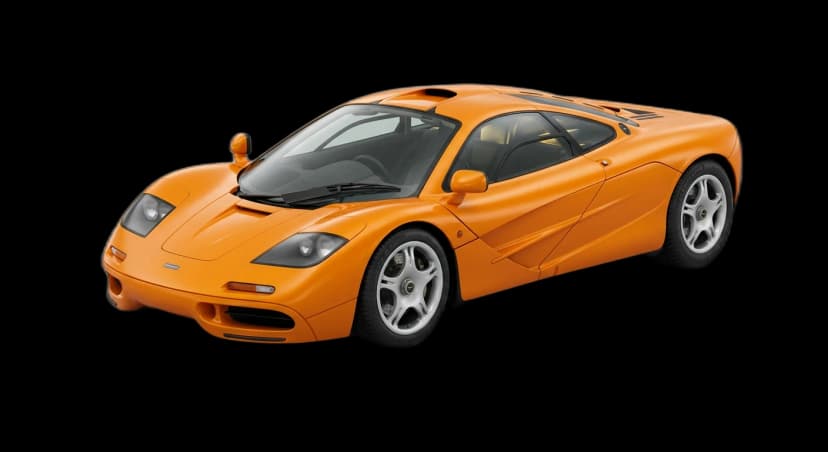
The greatest car ever built. Gordon Murray's obsession with lightweight engineering produced a carbon-fiber monocoque supercar with a BMW V12, center driving position, gold-foil engine bay lining, and a top speed of 240 mph that stood as a record for over a decade.

Ahead of its time — quad-turbo V12, AWD, carbon fiber monocoque, active rear wing. All in 1991, years before anyone else.
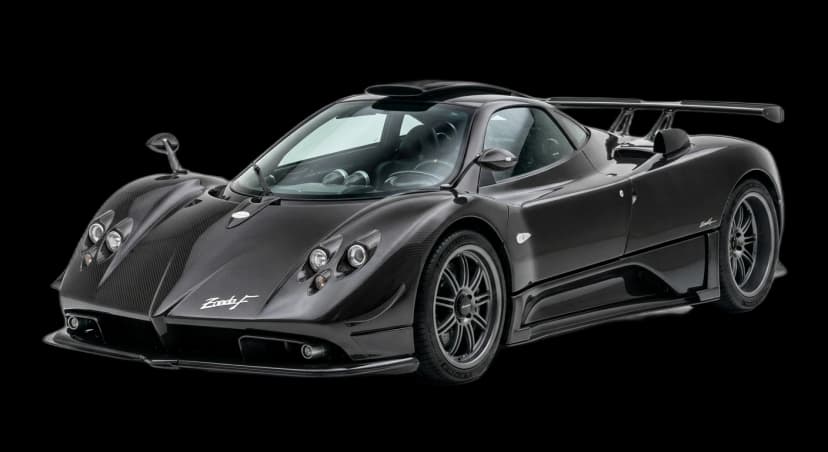
Named after Fangio (F for Fangio). Carbon fiber art meets AMG V12 brutality. Each one hand-built by Horacio Pagani himself in Modena.
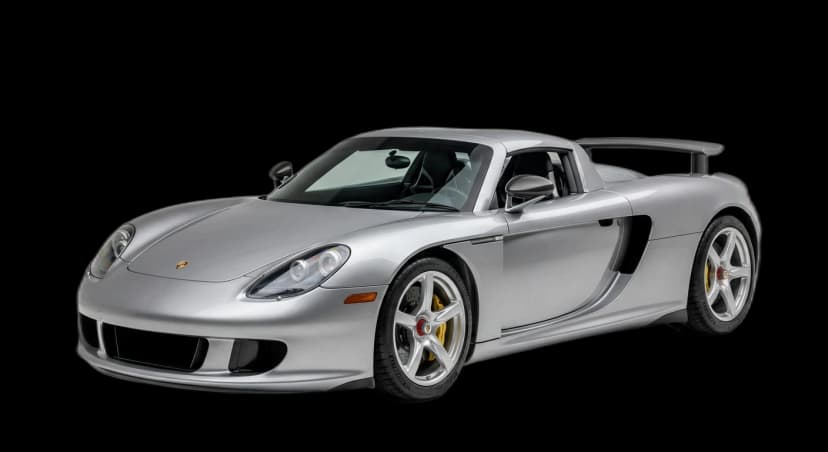
The last truly analog hypercar. V10, manual gearbox, no electronic aids. The engine was originally designed for a cancelled Le Mans program.
The Hypercar Age
Hybrid power, carbon fiber, and the new performance paradigm
The modern hypercar era is defined by a paradox: the most powerful road cars ever built are also partially electric. The hybrid systems that began as efficiency measures have become performance tools, filling in torque gaps and adding instant acceleration that even the most powerful naturally aspirated engines cannot match.
The Mercedes-Benz SLS AMG (2010) was a deliberate echo of the 300 SL Gullwing: gullwing doors, front-mounted engine, grand touring character. Its 6.2-liter naturally aspirated V8, producing 563 hp, was the last of its kind before AMG switched to turbocharging. The SLS was the first car developed entirely in-house by AMG.
The Holy Trinity of 2013 defined the new era. The Ferrari LaFerrari combined a 6.3-liter V12 with a KERS-derived electric motor for 950 hp total. The Porsche 918 Spyder mated a 4.6-liter V8 with two electric motors and could run in pure electric mode for 30 kilometers. The McLaren P1 (not in the European-only archive) completed the trio. All three used hybrid technology to achieve performance levels impossible with internal combustion alone.
The Porsche 918 Spyder was particularly significant. It set a Nurburgring lap record of 6:57, the first production car under 7 minutes. It proved that hybrid technology was not about compromise but about capability. It could whisper through a city in electric mode at midnight and devastate a racetrack at dawn.
The trajectory is clear: electrification is not replacing the driving experience, it is augmenting it. The next generation of European supercars will be faster, more efficient, and more technologically complex than anything before. Whether they will be as emotionally engaging as a Miura, a Countach, or a McLaren F1 is the question that defines the industry's future. The vehicles documented in this archive represent the standard against which everything that follows will be measured.
“There is always more to do. The perfect car does not exist. But the pursuit of it is everything.”
Horacio Pagani, 2015
Key Moments
Featured Vehicles
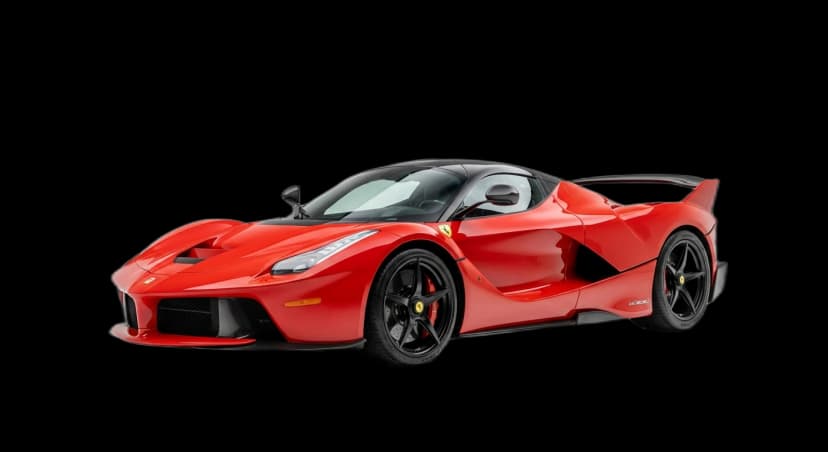
The 'Holy Trinity' member alongside the McLaren P1 and Porsche 918. Ferrari's first hybrid hypercar. The 6.3-liter V12 produces 800 hp alone, with an electric motor adding 163 hp. Named 'The Ferrari' because nothing else needed to be said.
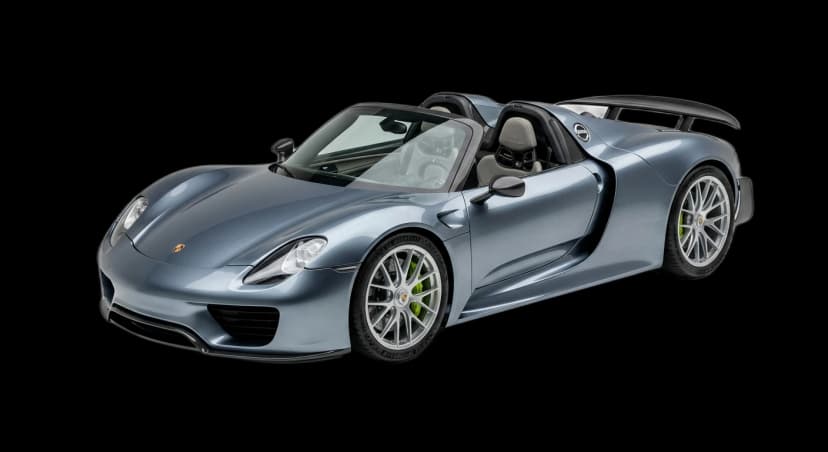
The hybrid hypercar that proved electrification could enhance rather than diminish the driving experience. Set a 6:57 Nurburgring lap record. Combined a 608 hp naturally aspirated V8 with two electric motors for 887 hp total. Part of the holy trinity alongside the LaFerrari and McLaren P1.
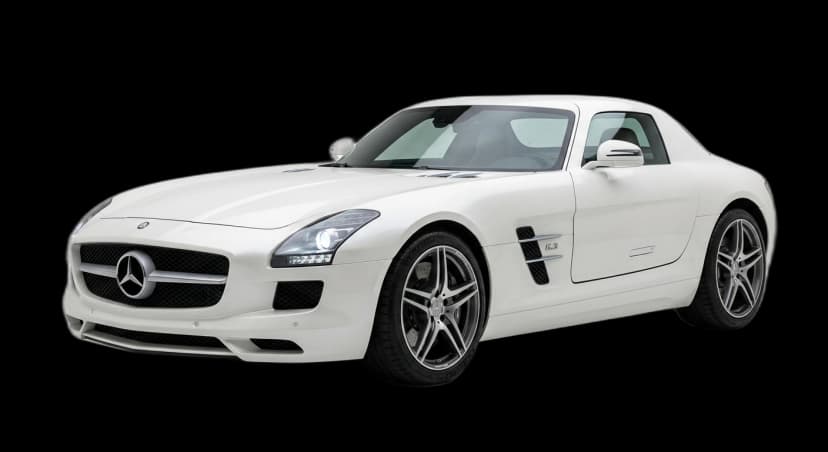
The modern Gullwing. AMG's first ground-up car — hand-built V8, aluminum spaceframe, gullwing doors. A spiritual successor to the 300 SL.
Continue exploring
The vehicles in this history are documented in full in the Auto Heritage archive: verified specifications, multi-angle photography, designer attribution, and primary source references.
