
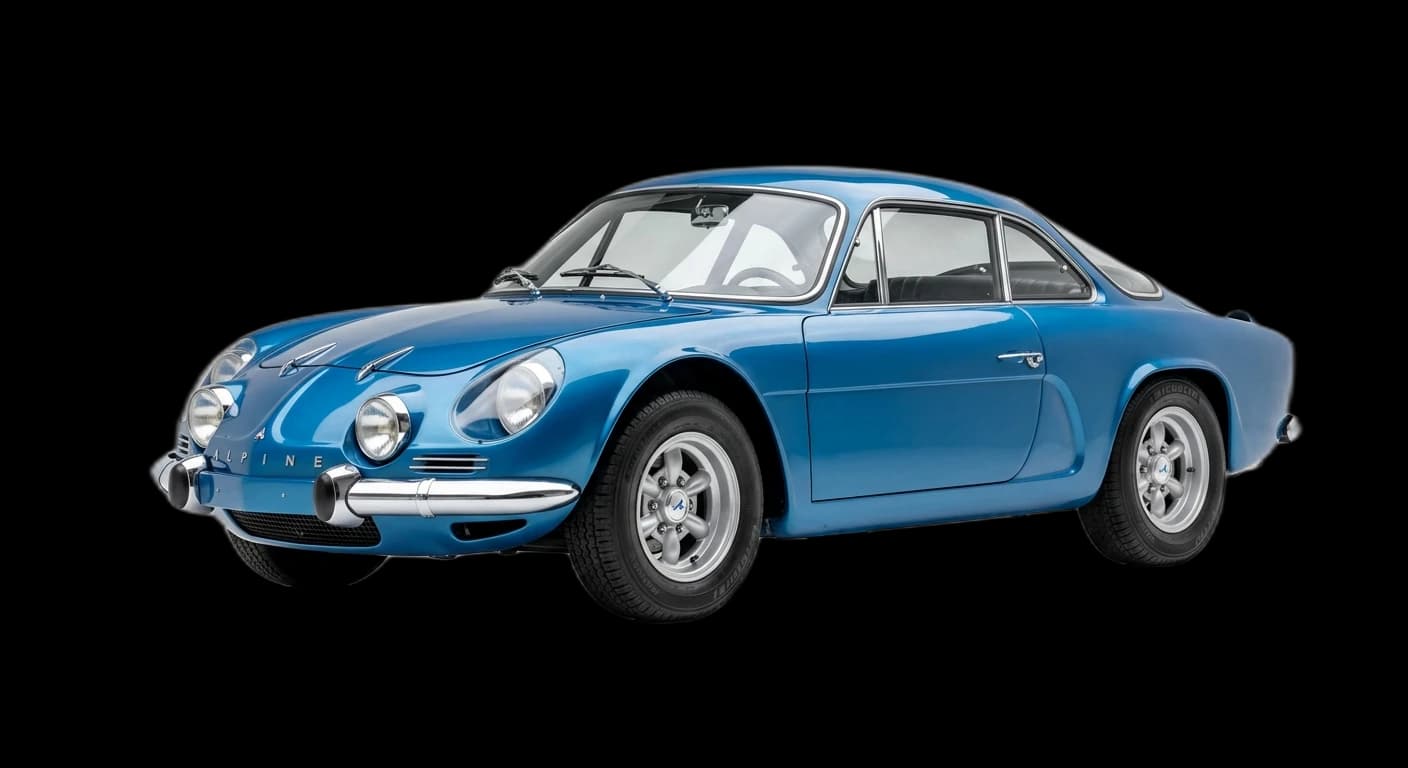
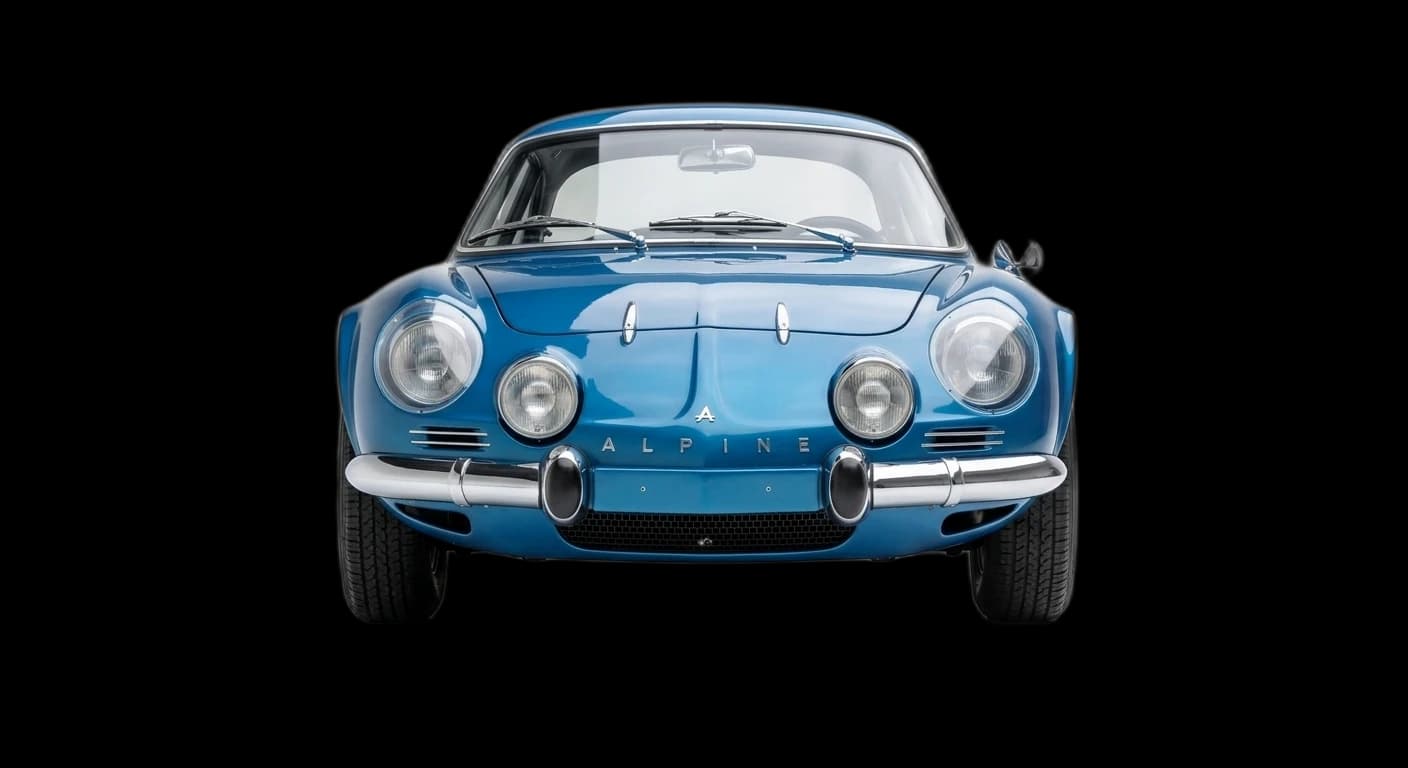
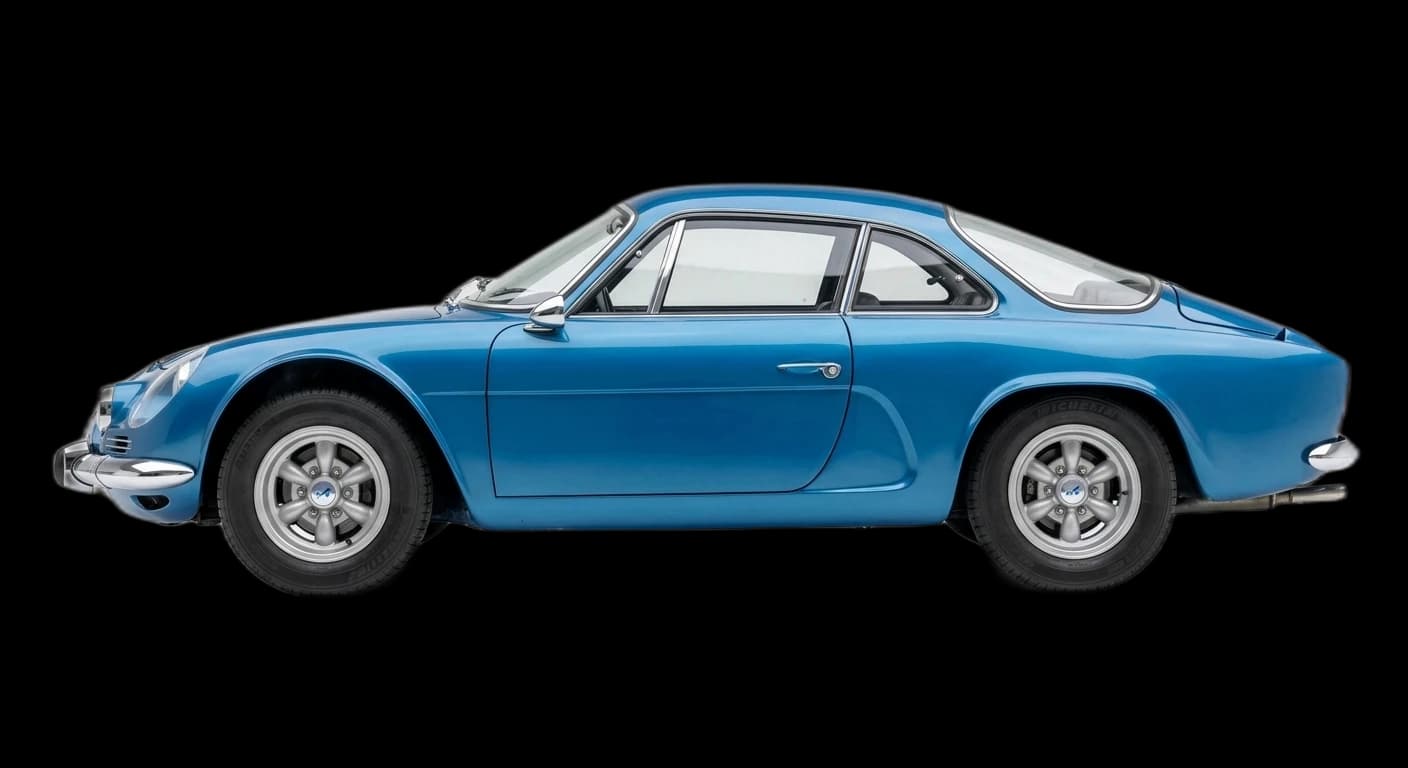
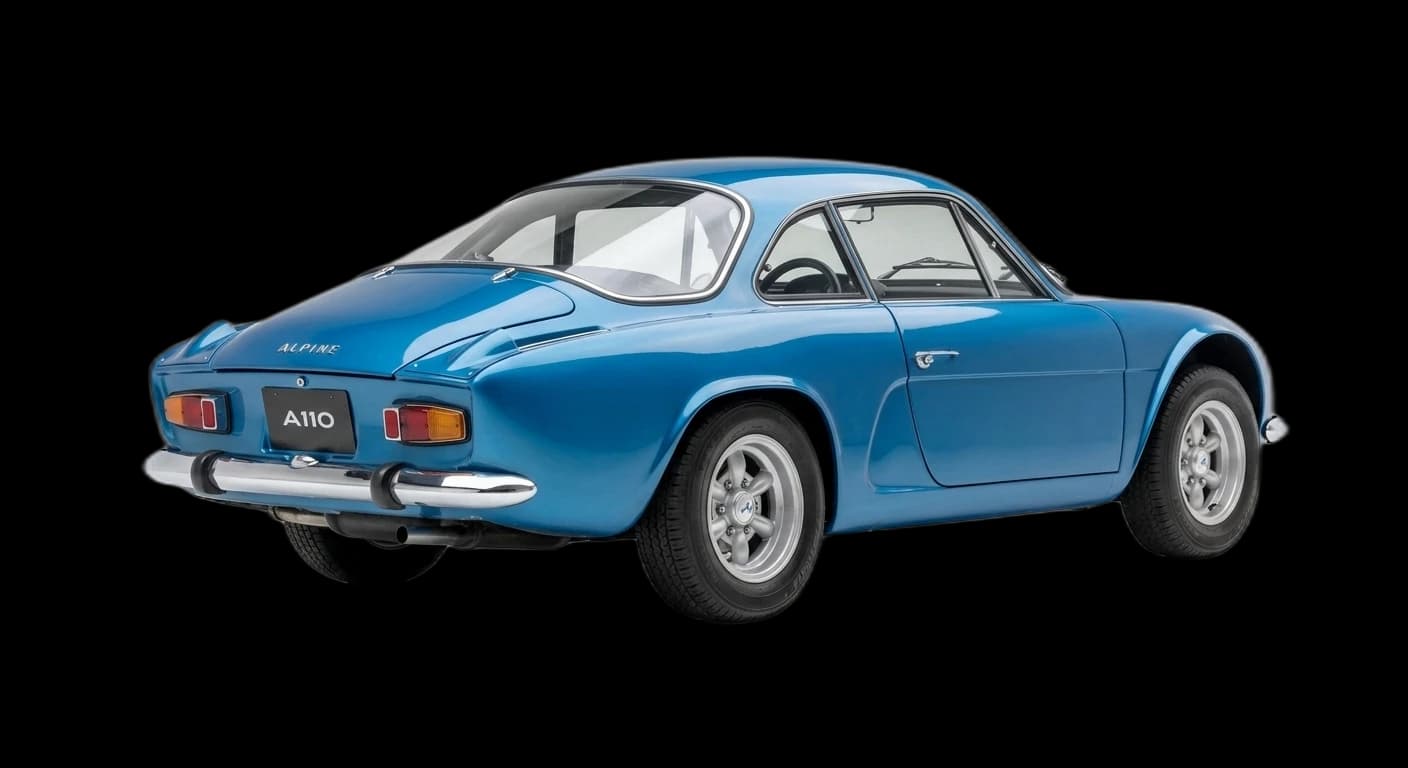
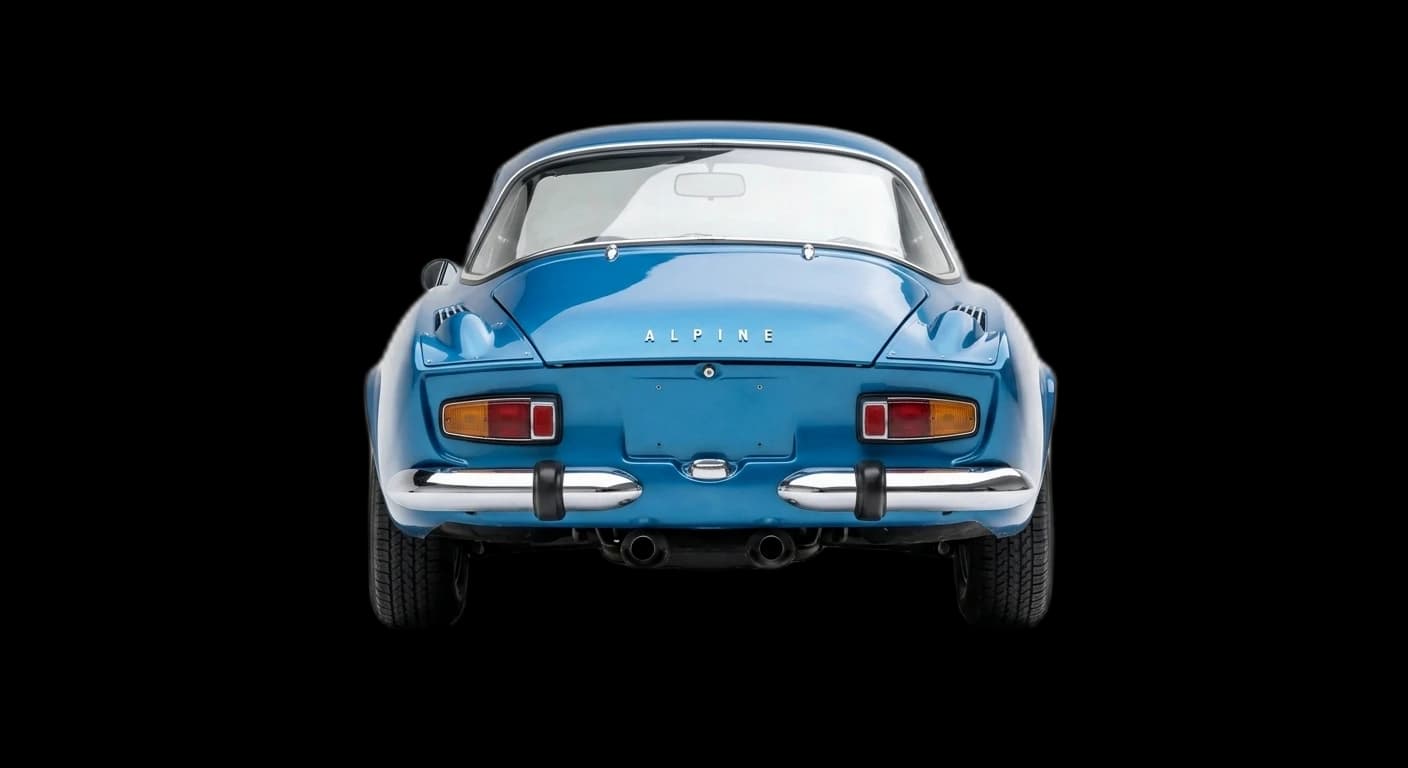
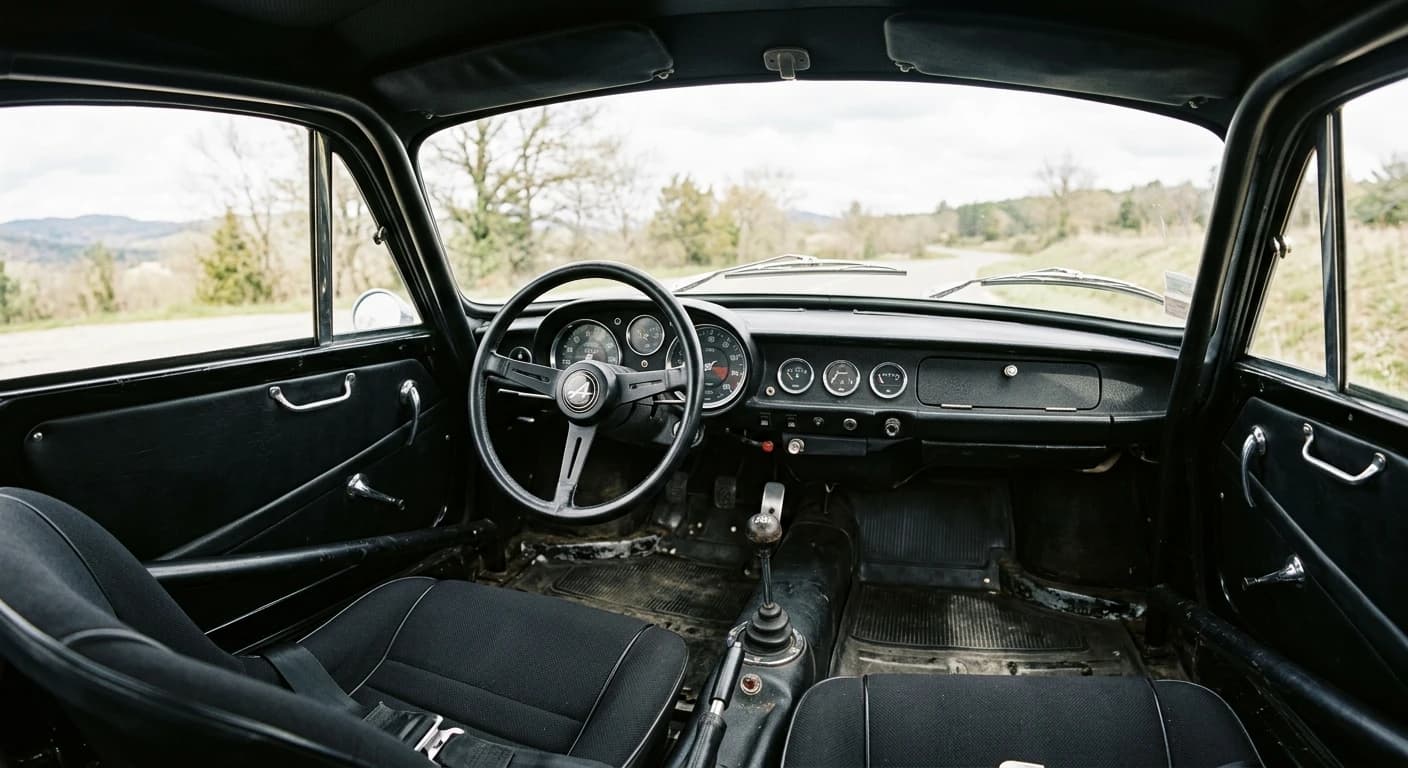
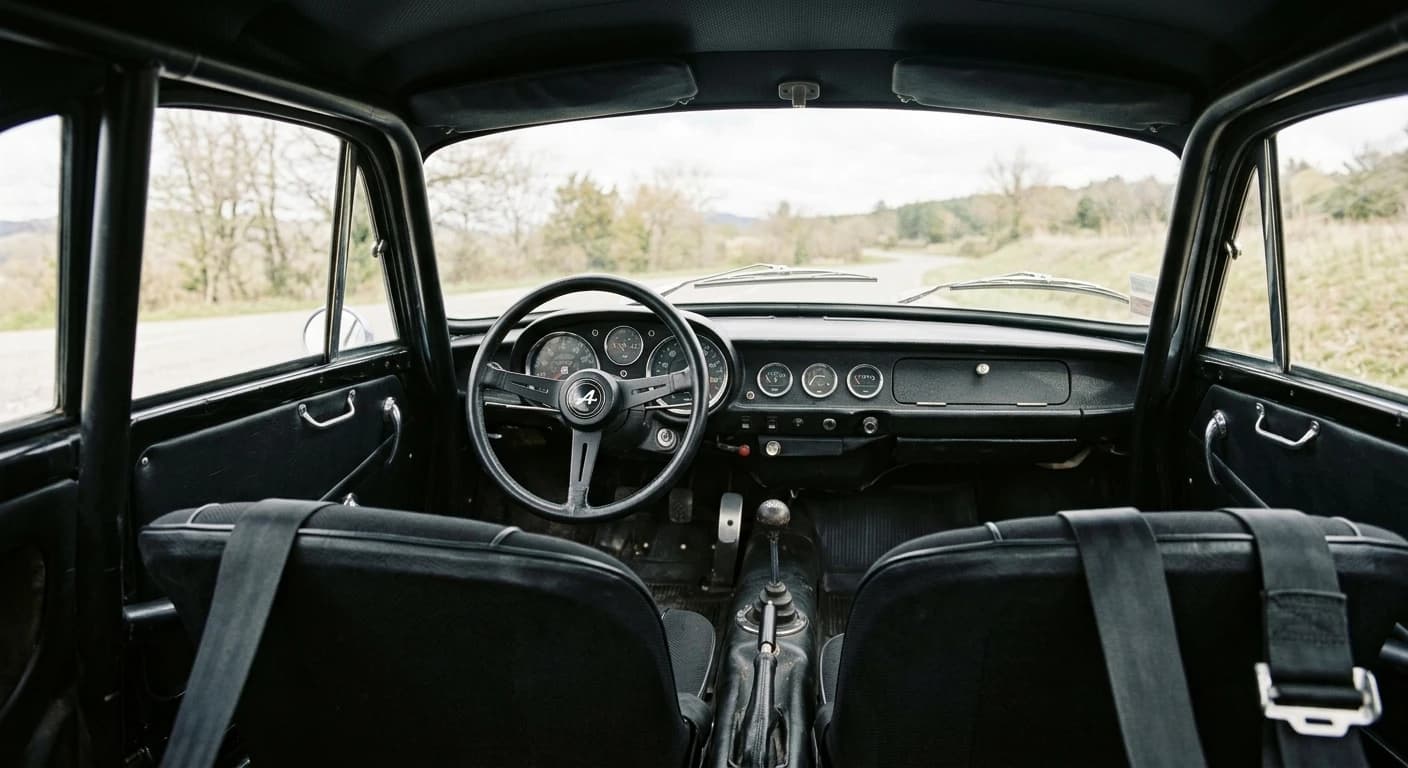
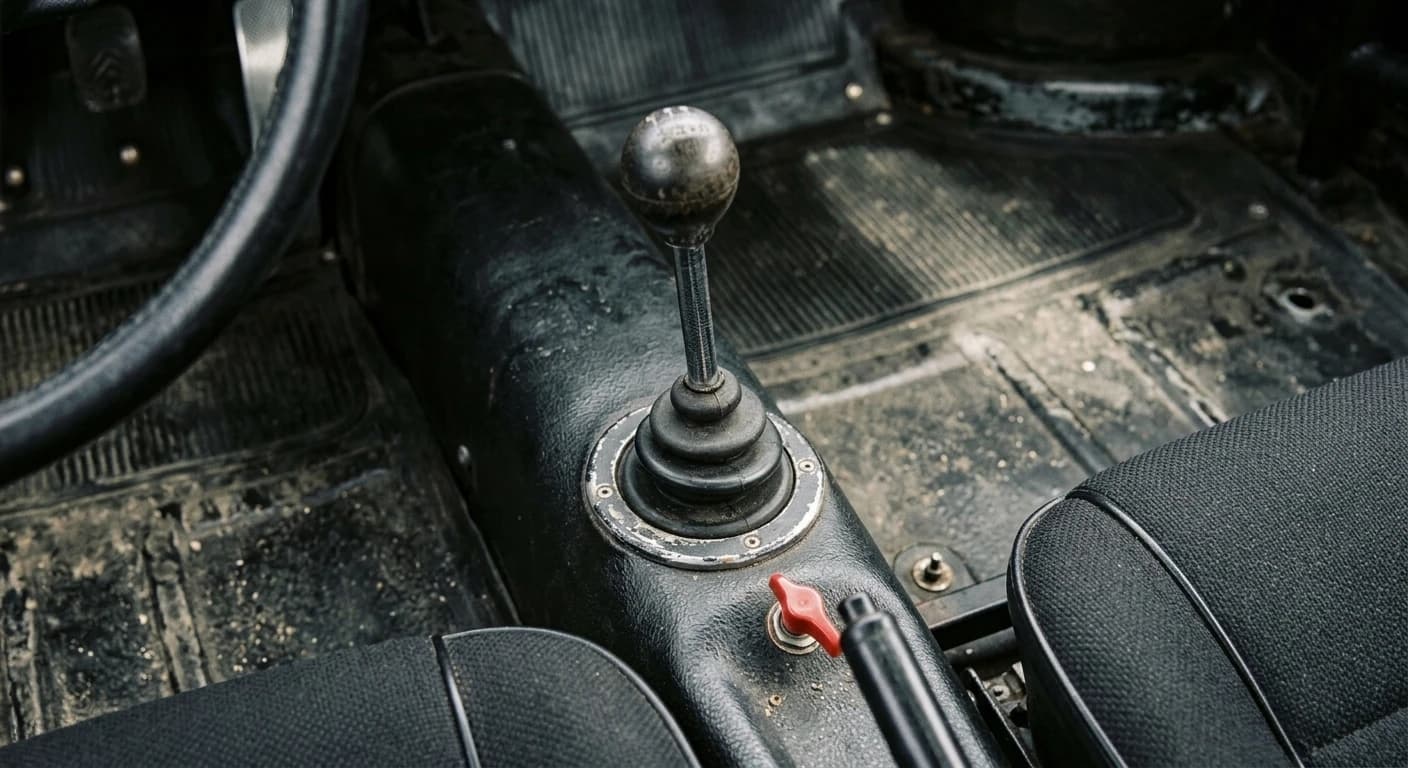
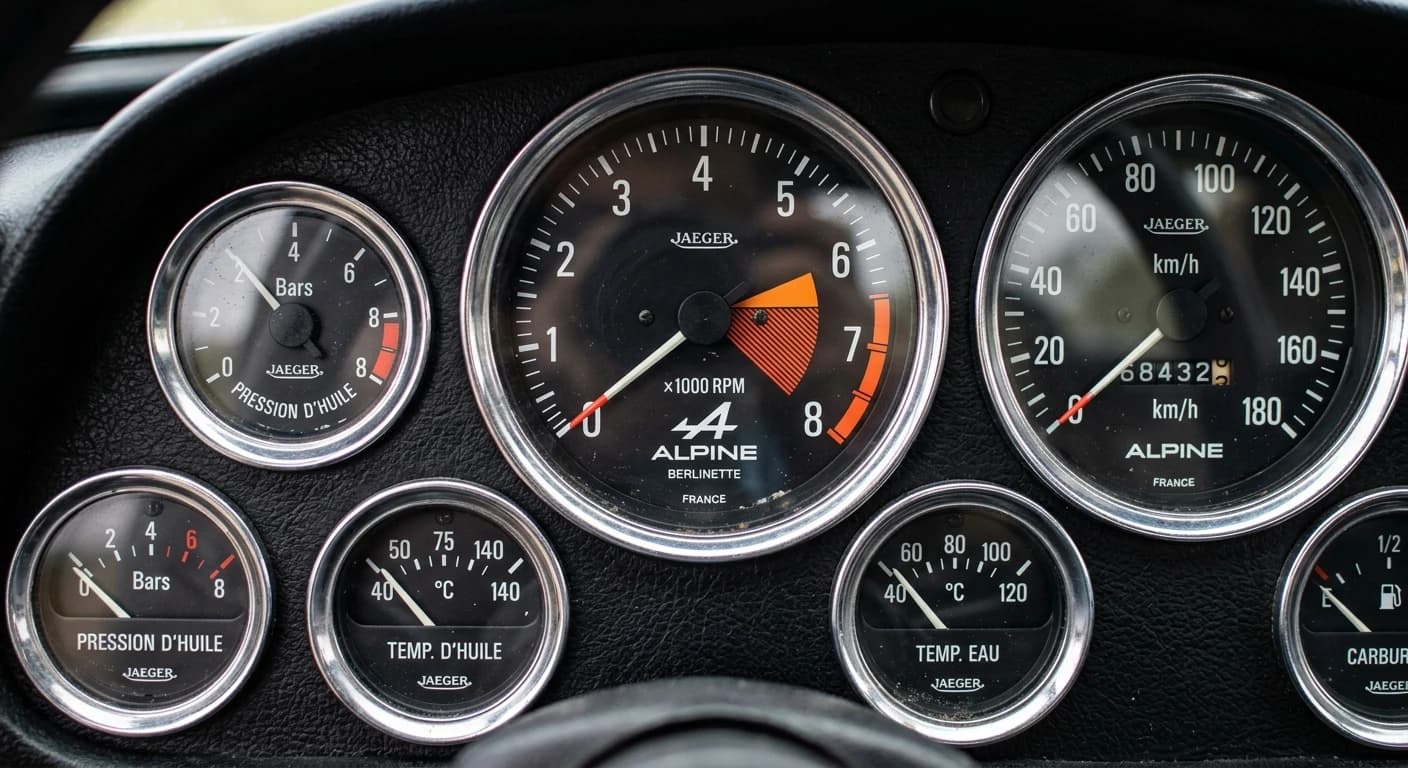
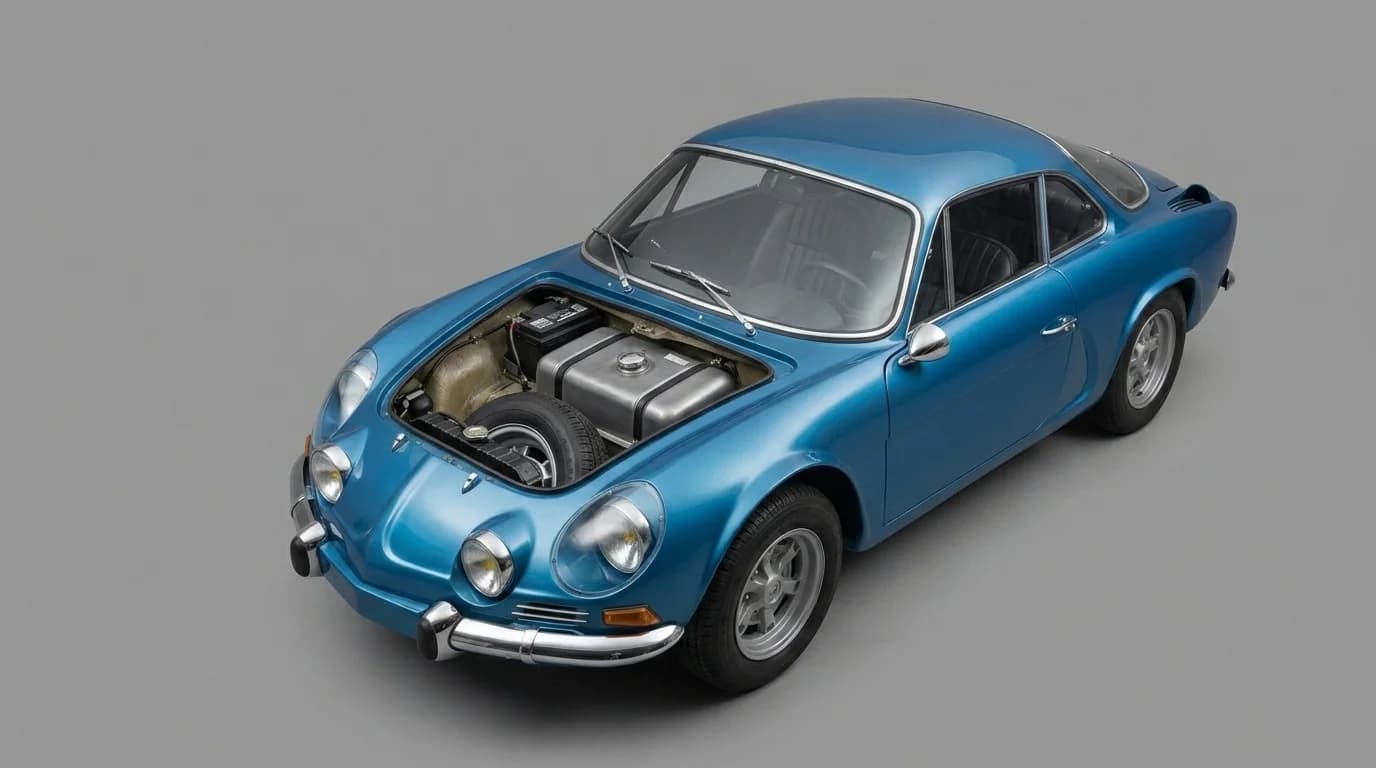
Won the first ever World Rally Championship in 1973. Jean Redele's lightweight philosophy: a fiberglass body over a tubular steel backbone chassis weighing just 620 kg. The French answer to the Porsche 911, proving that less weight beats more power.
History
Jean Redele, a Renault dealer's son from Dieppe, built the first Alpine in 1955 using Renault 4CV components. The A110 Berlinette, launched in 1961, perfected his formula: Renault mechanicals in a fiberglass body so light that two men could lift the car.
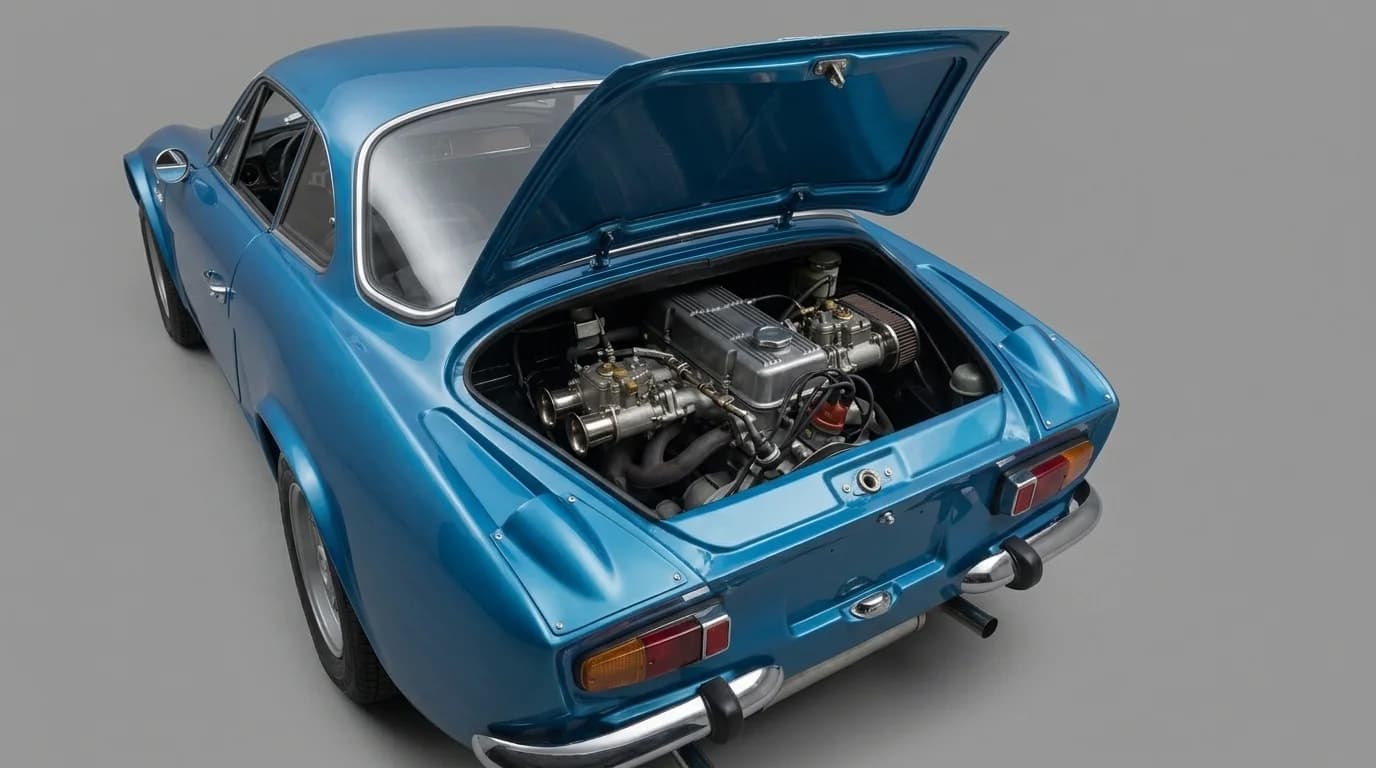
The rear-engine layout mirrored the Porsche 911, but the A110 weighed half as much. The Gordini-tuned engines ranged from 1.0 to 1.8 liters, with the most powerful versions producing 138 hp. In a car weighing 620 kg, this gave a power-to-weight ratio that embarrassed cars with twice the horsepower.
The A110 dominated European rallying in the early 1970s. In 1973, it won the inaugural FIA World Rally Championship, with drivers Jean-Pierre Nicolas, Jean-Luc Therier, and Bernard Darniche. The car's agility on tight mountain stages was unmatched.
The A110 also competed at Le Mans (class wins) and in hillclimbing, where its light weight and rear-engine traction were devastating advantages. Jean Redele's philosophy of lightweight engineering predated Colin Chapman's similar approach at Lotus.
7,176 were built across all variants. The A110 remains France's most celebrated sports car, and its legacy directly inspired Renault's modern Alpine A110 revival.
Timeline
Production & Heritage
Value estimates are editorial assessments based on recent auction results and market trends.
Technical Specifications
Engine Details
Performance
Dimensions
Chassis & Suspension
Drivetrain
Capacity
Tags
Designed by Jean Redele / Philippe-Charles Redele
From the 1960s
Featured in
Featured in Collections
References & Sources
More in Sports
See all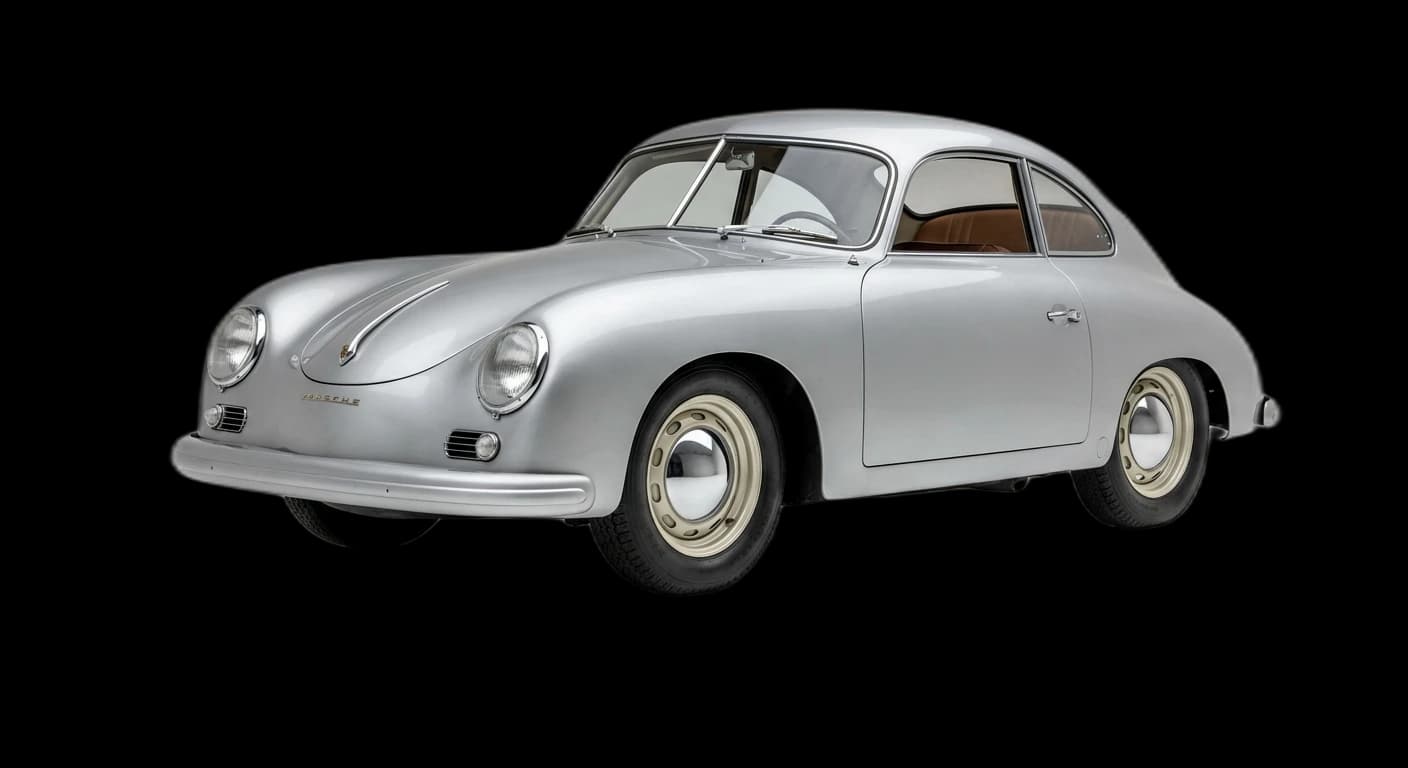
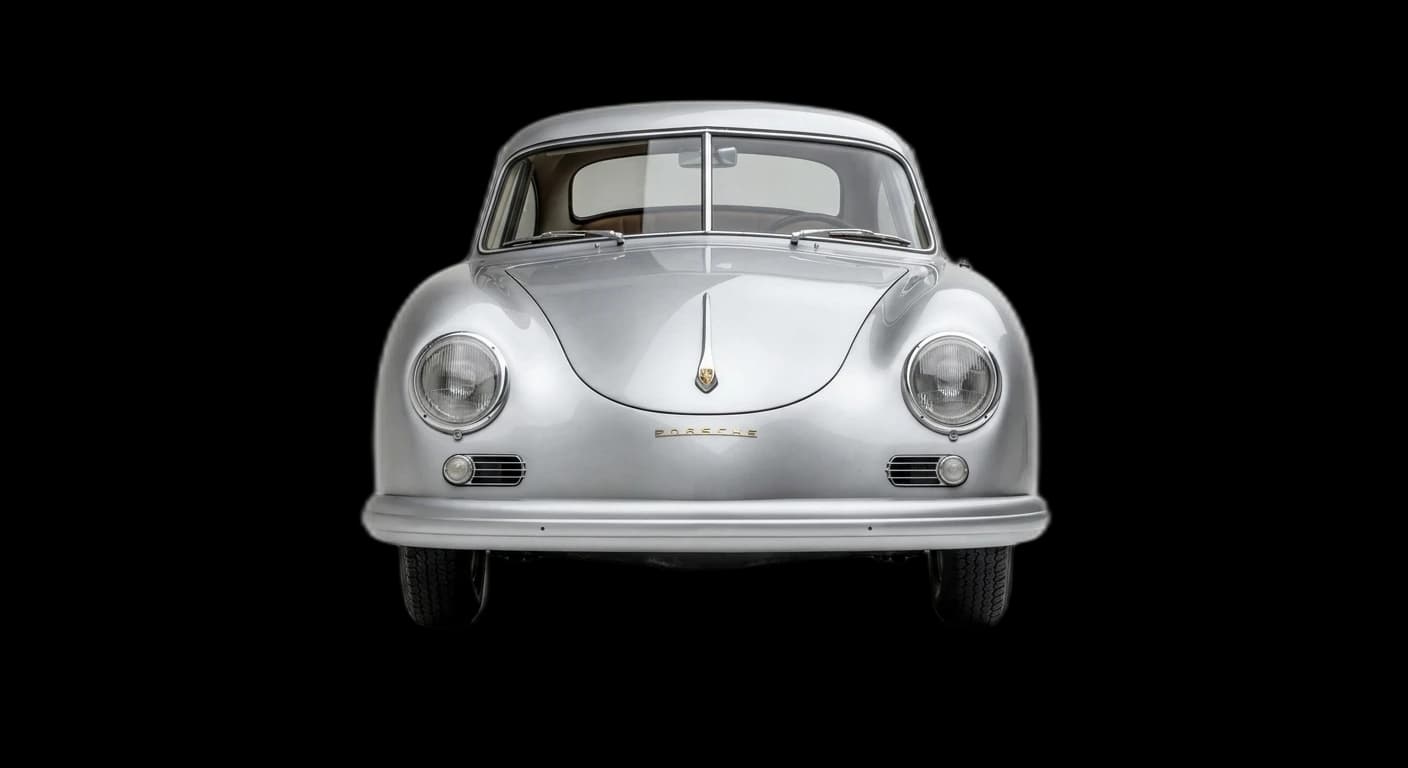
356 Pre-A
356 Speedster
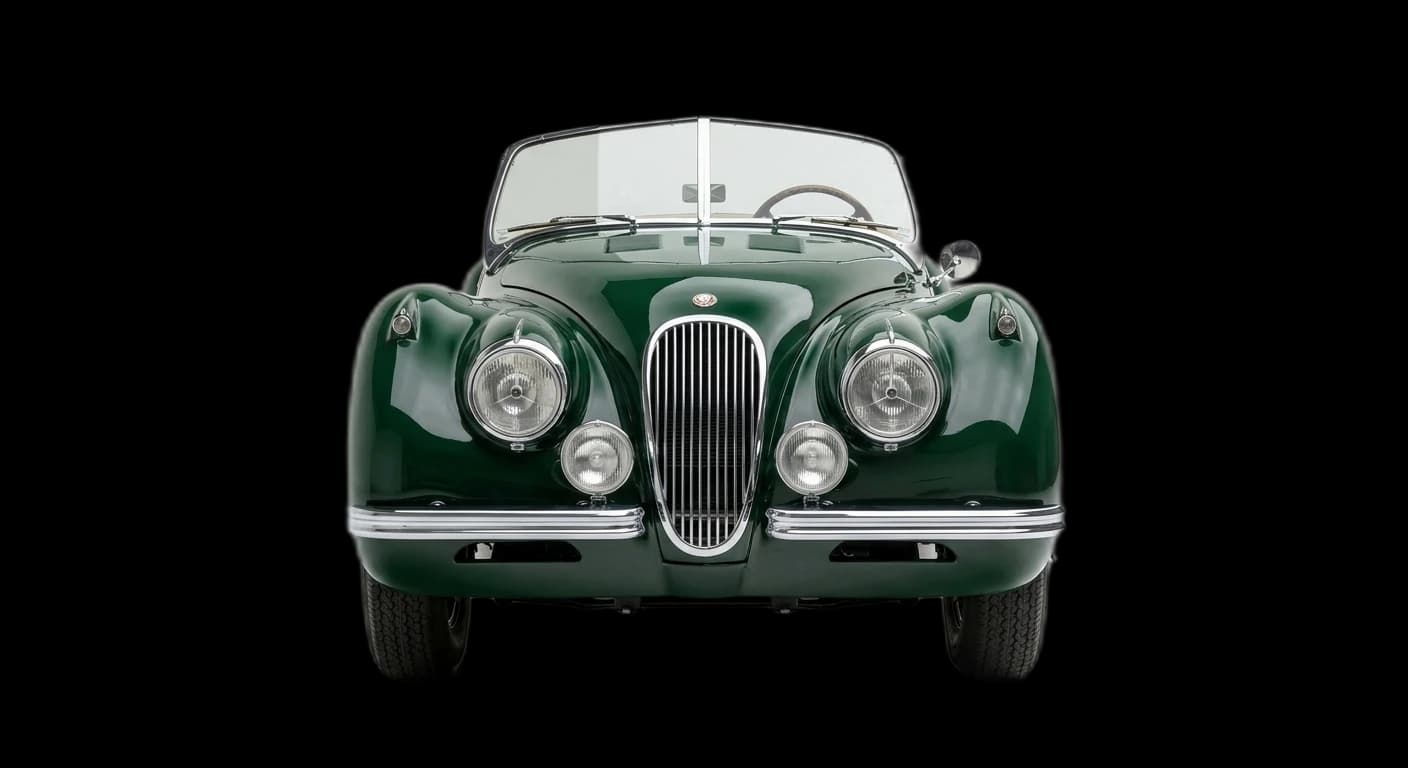
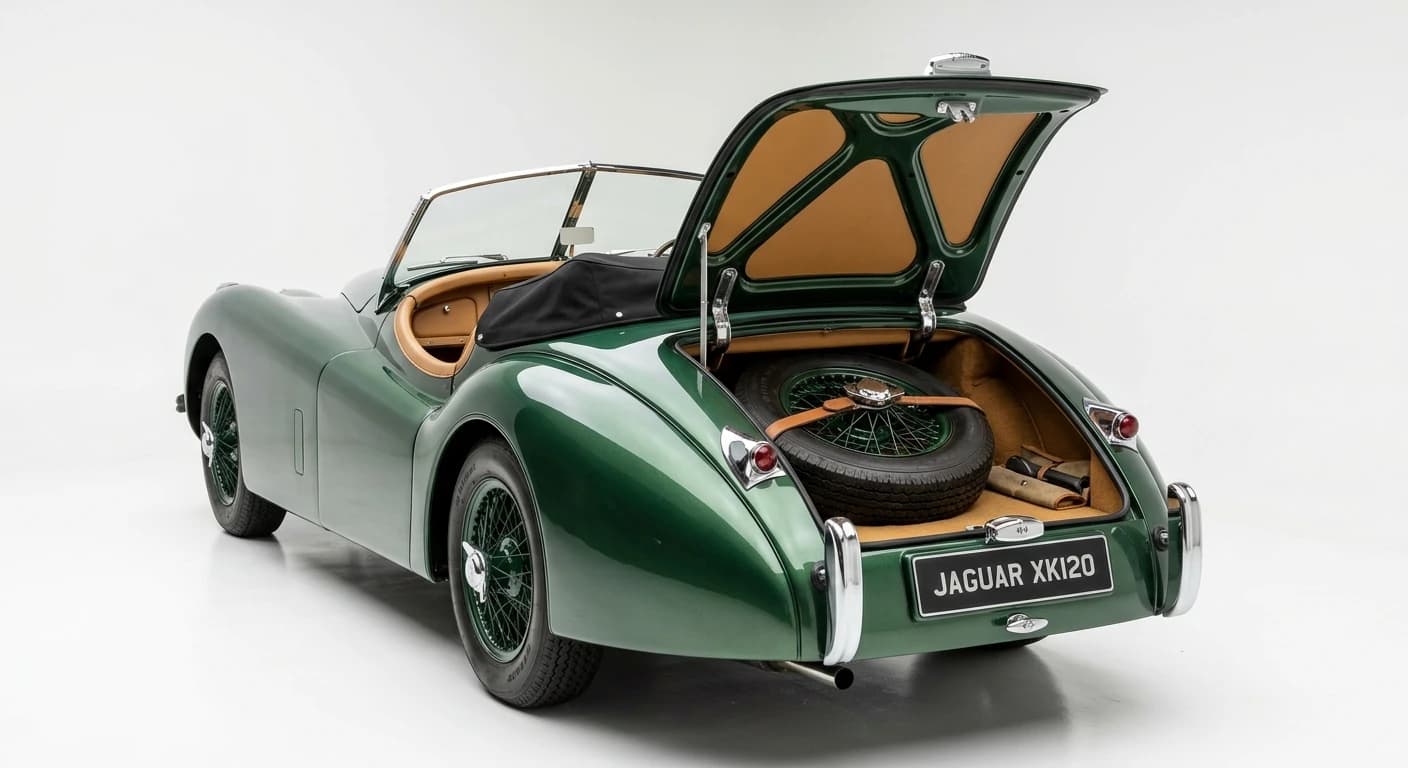
XK120
