
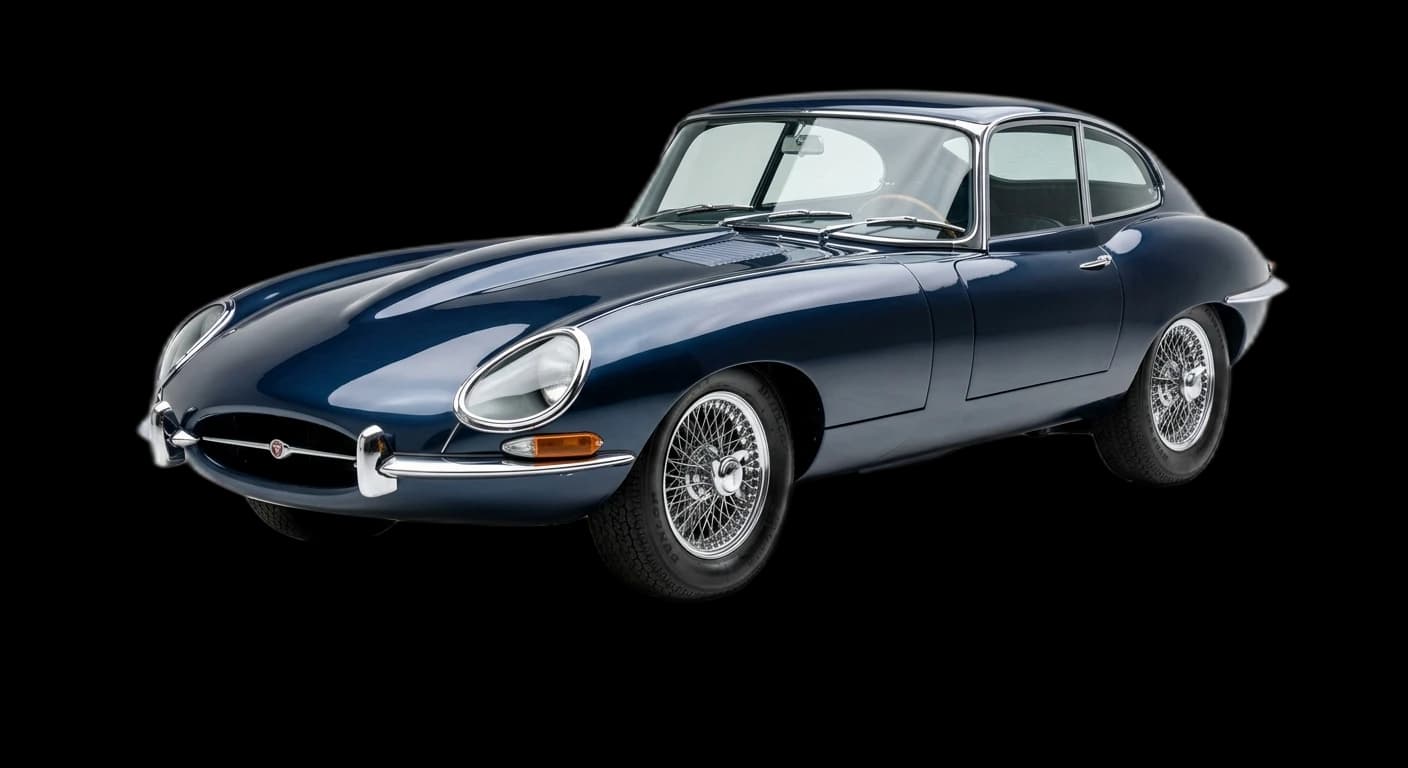
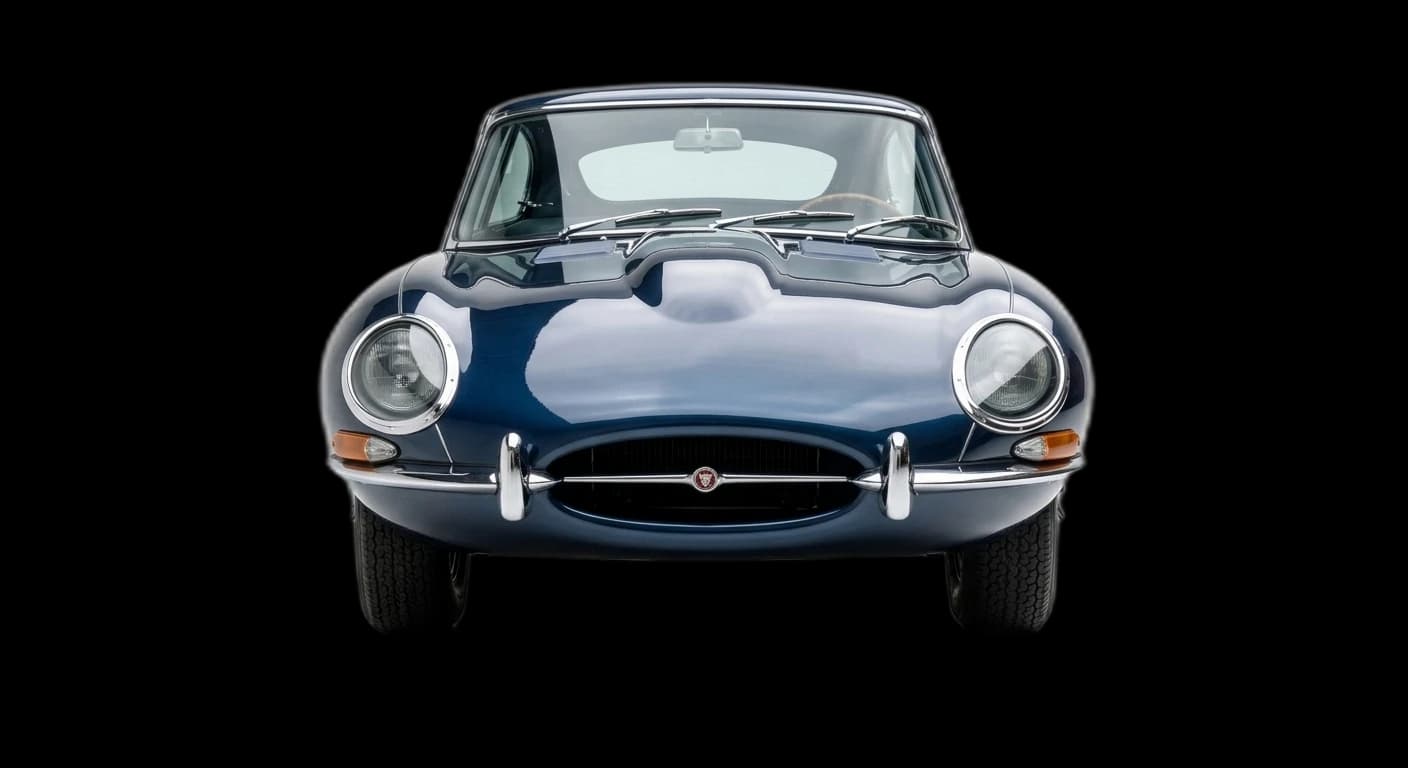
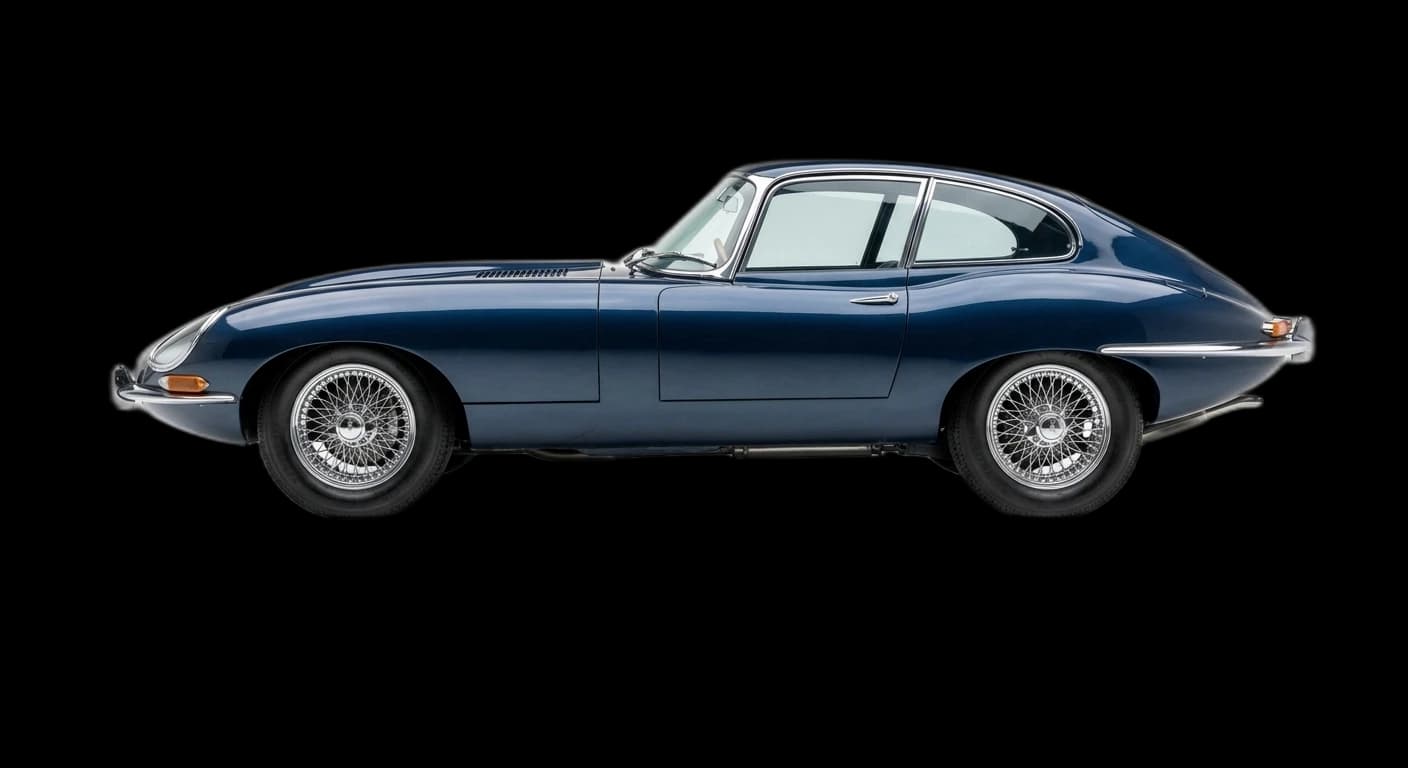
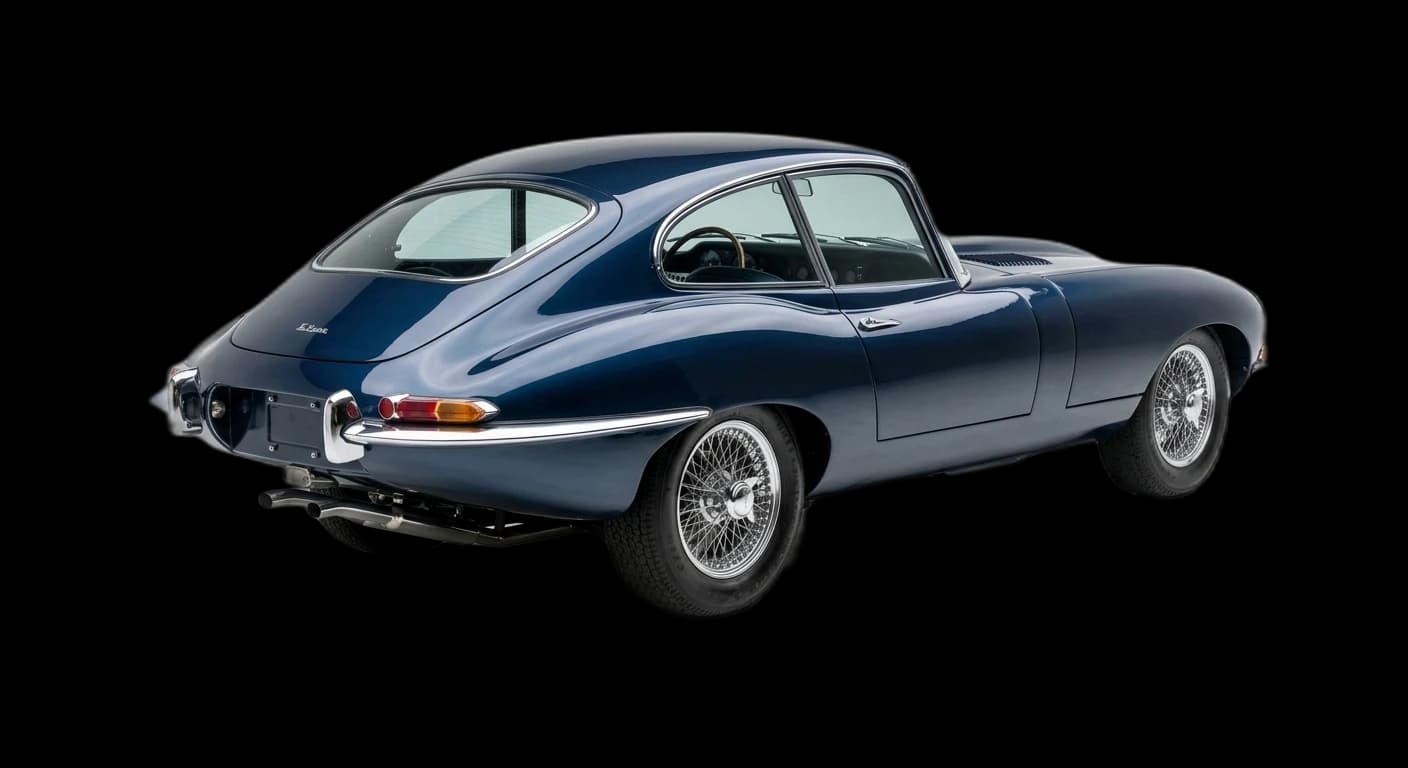
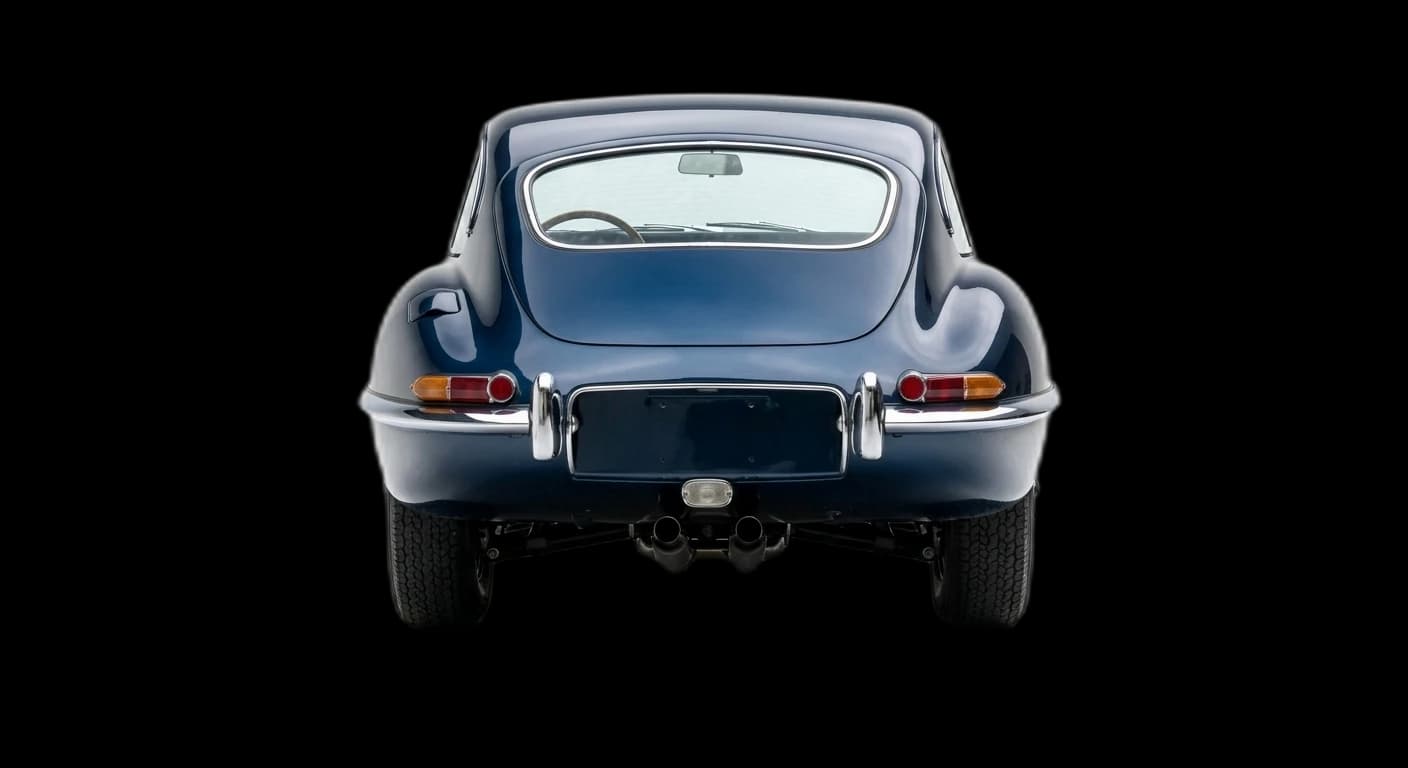
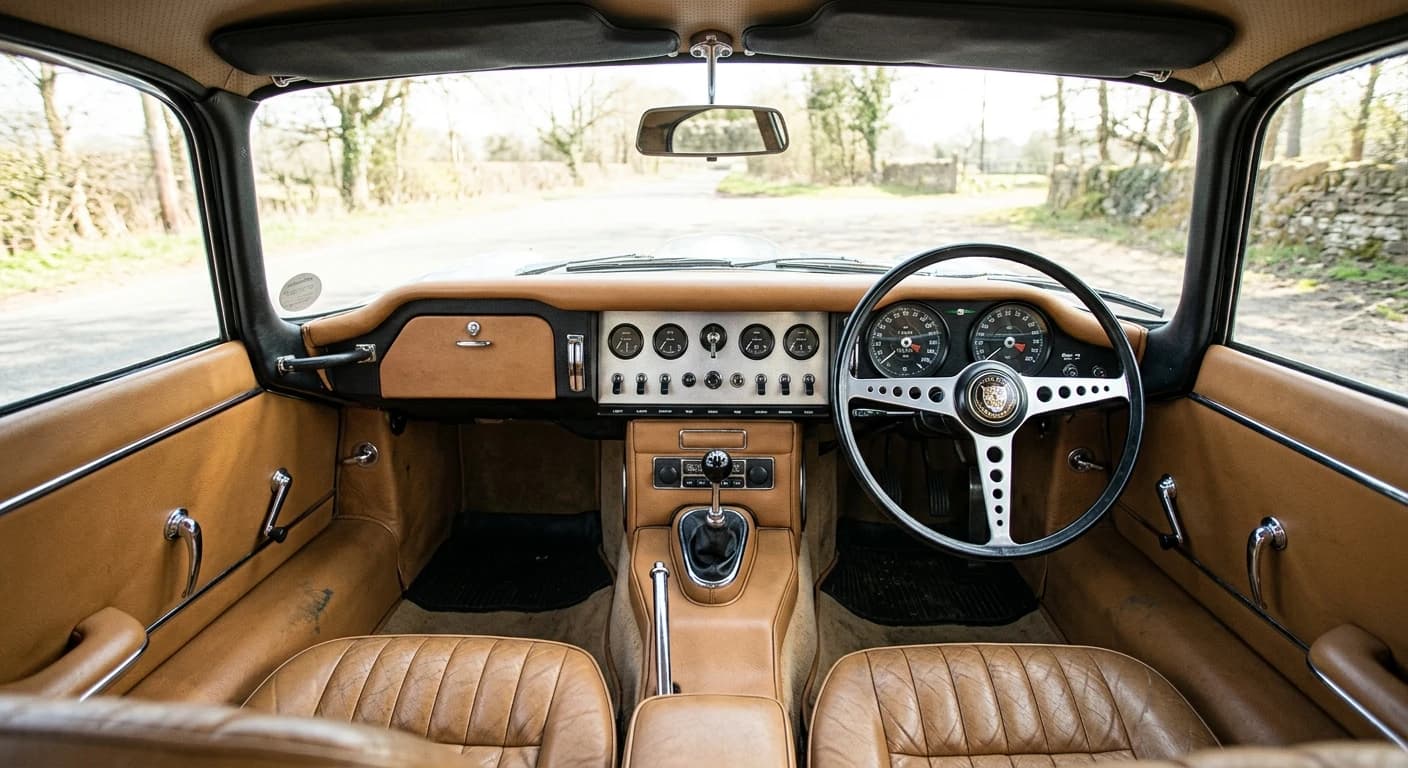
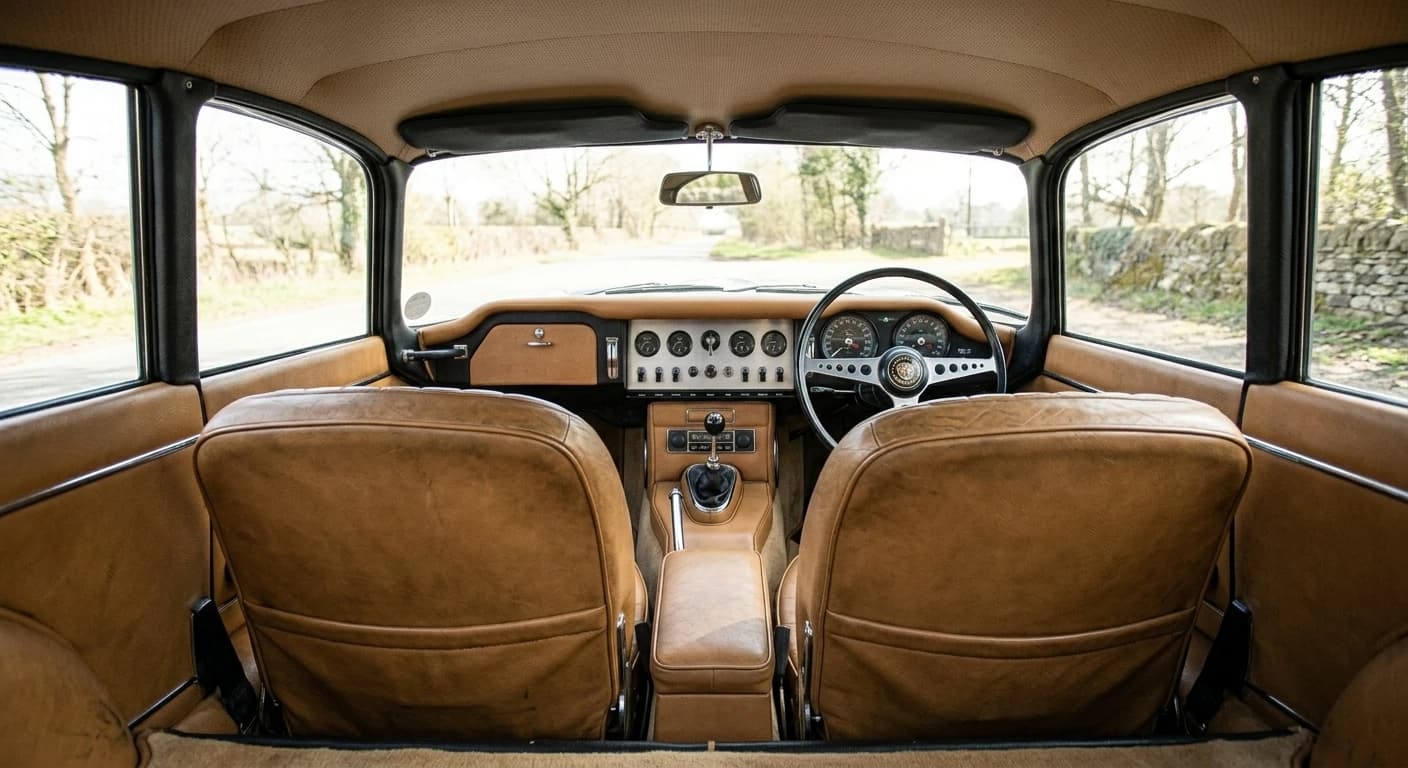
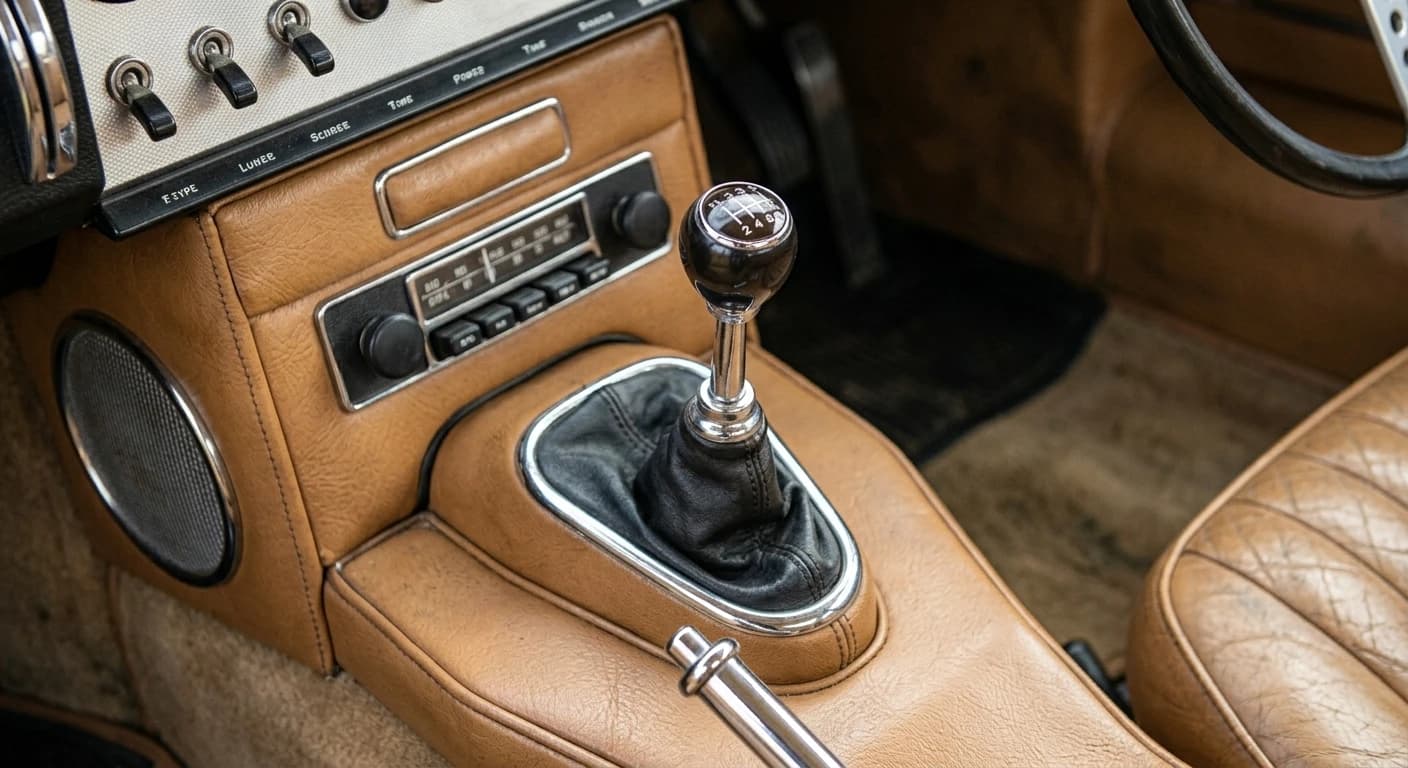
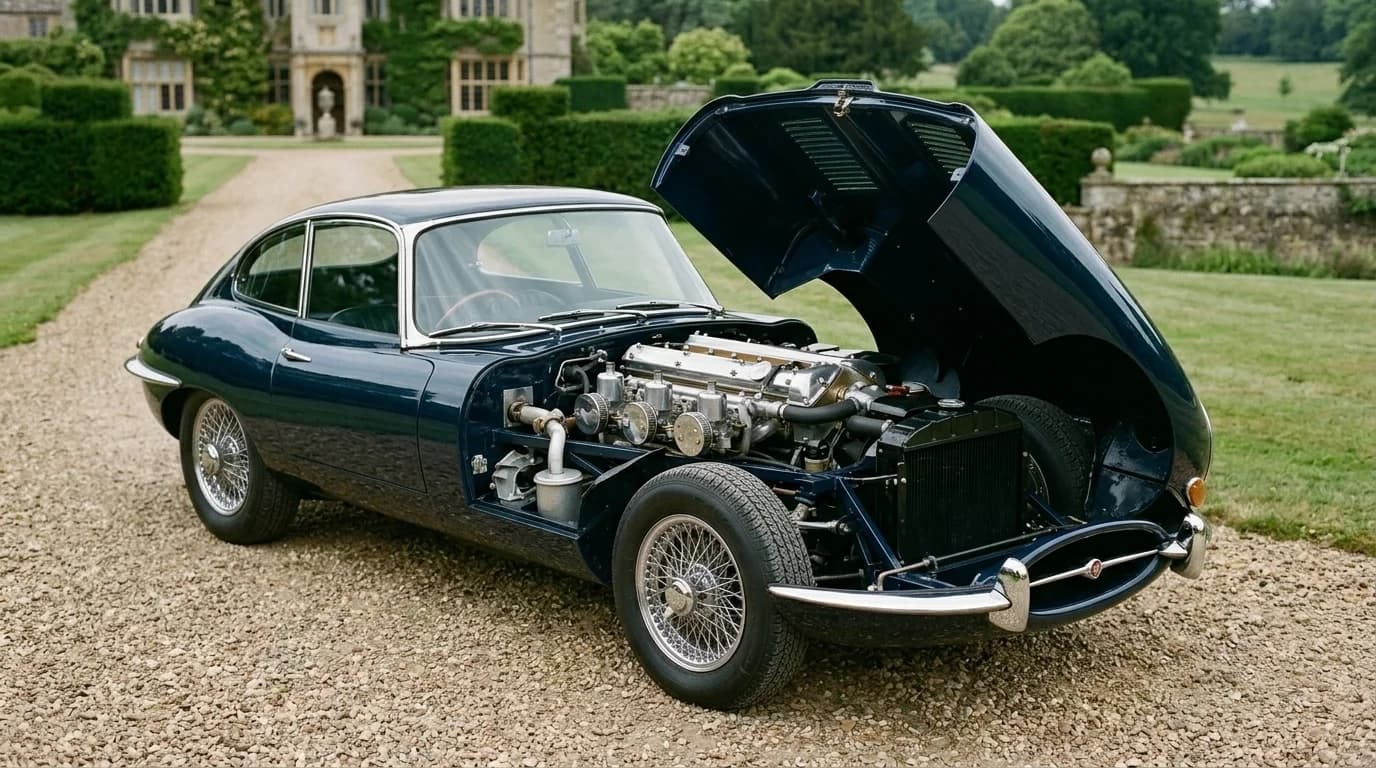
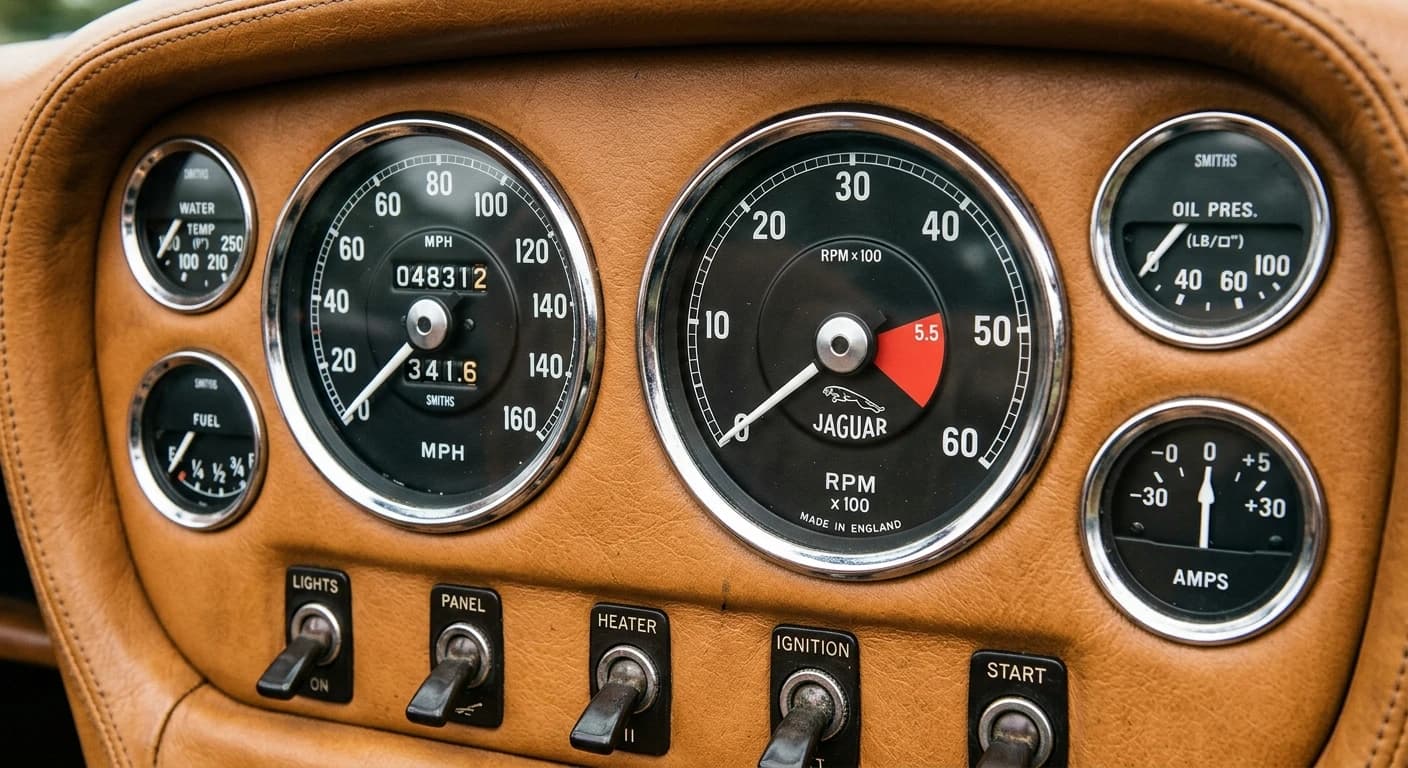
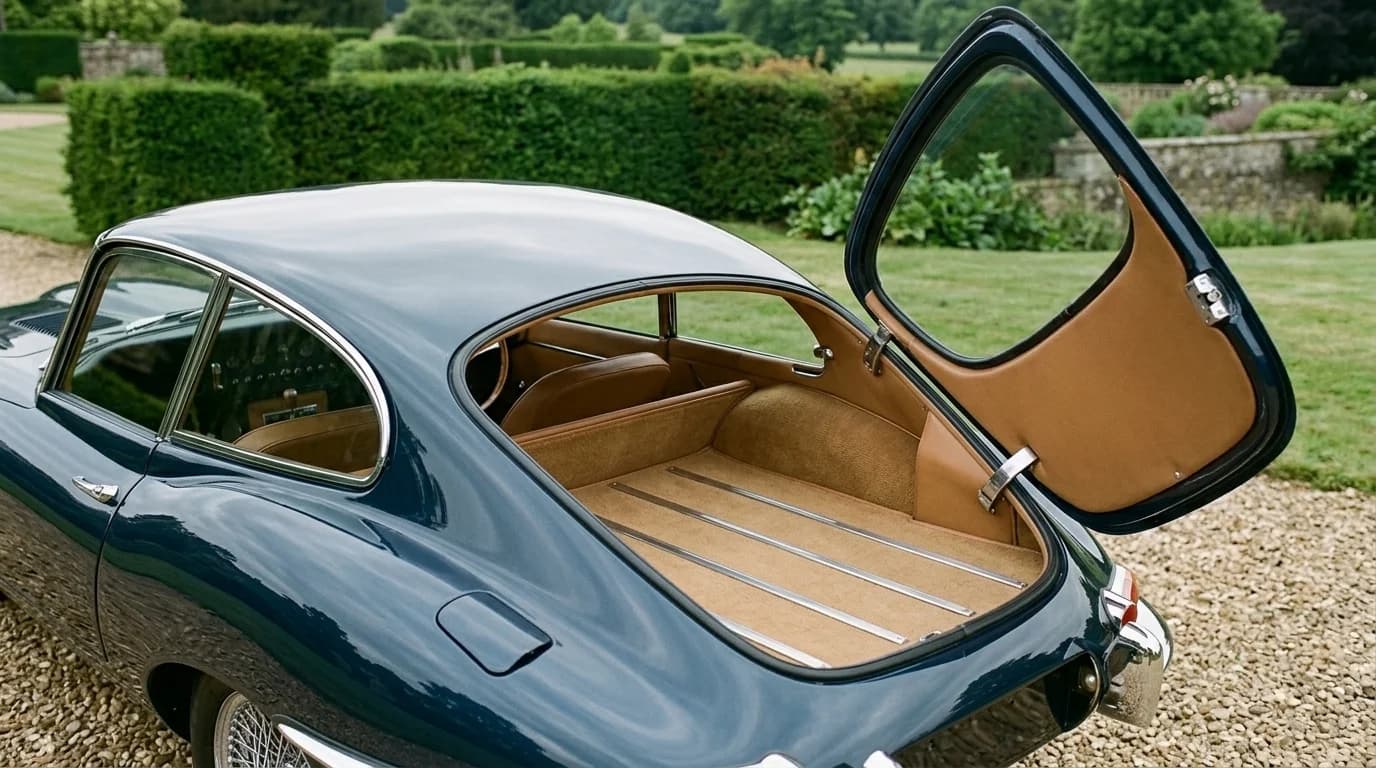
Enzo Ferrari called it 'the most beautiful car ever made.' Malcolm Sayer, an aerodynamicist, designed the shape using mathematical formulae rather than artistic intuition. At 150 mph for GBP 2,097, it cost a third of a Ferrari and was just as fast. The car that made Jaguar a global brand.
History
Malcolm Sayer was not a car designer. He was an aerodynamicist who had worked on aircraft at Bristol. When he drew the E-Type, he used mathematical equations to define every curve. The result was a shape so perfect that it looked like it had been sculpted by wind rather than drawn by hand.
The E-Type debuted at the 1961 Geneva Motor Show. Jaguar's PR team drove a car overnight from Coventry to Geneva, arriving just minutes before the press conference. The reaction was extraordinary: orders flooded in before the car could be properly examined.
The 3.8-liter XK inline-six, descended from the engine that had powered Jaguar's Le Mans-winning C-Type and D-Type, produced 265 hp. Independent rear suspension, four-wheel disc brakes, and a monocoque front subframe made the E-Type as advanced mechanically as it was aesthetically.
At GBP 2,097 (about $5,600), the E-Type cost a third of a Ferrari 250 GT and matched it on performance. It democratized the sports car in the way that the Ford Mustang would later democratize the muscle car.
38,419 Series 1 E-Types were built in coupe and roadster forms. The early 3.8-liter flat-floor roadsters are the most valuable, commanding GBP 200,000 to GBP 400,000.
Timeline
Production & Heritage
Value estimates are editorial assessments based on recent auction results and market trends.
Technical Specifications
Engine Details
Performance
Dimensions
Chassis & Suspension
Capacity
Source: Jaguar / Wikipedia
Tags
Designed by Malcolm Sayer
From the 1960s
Featured in
Featured in Collections
References & Sources
More in Sports
See all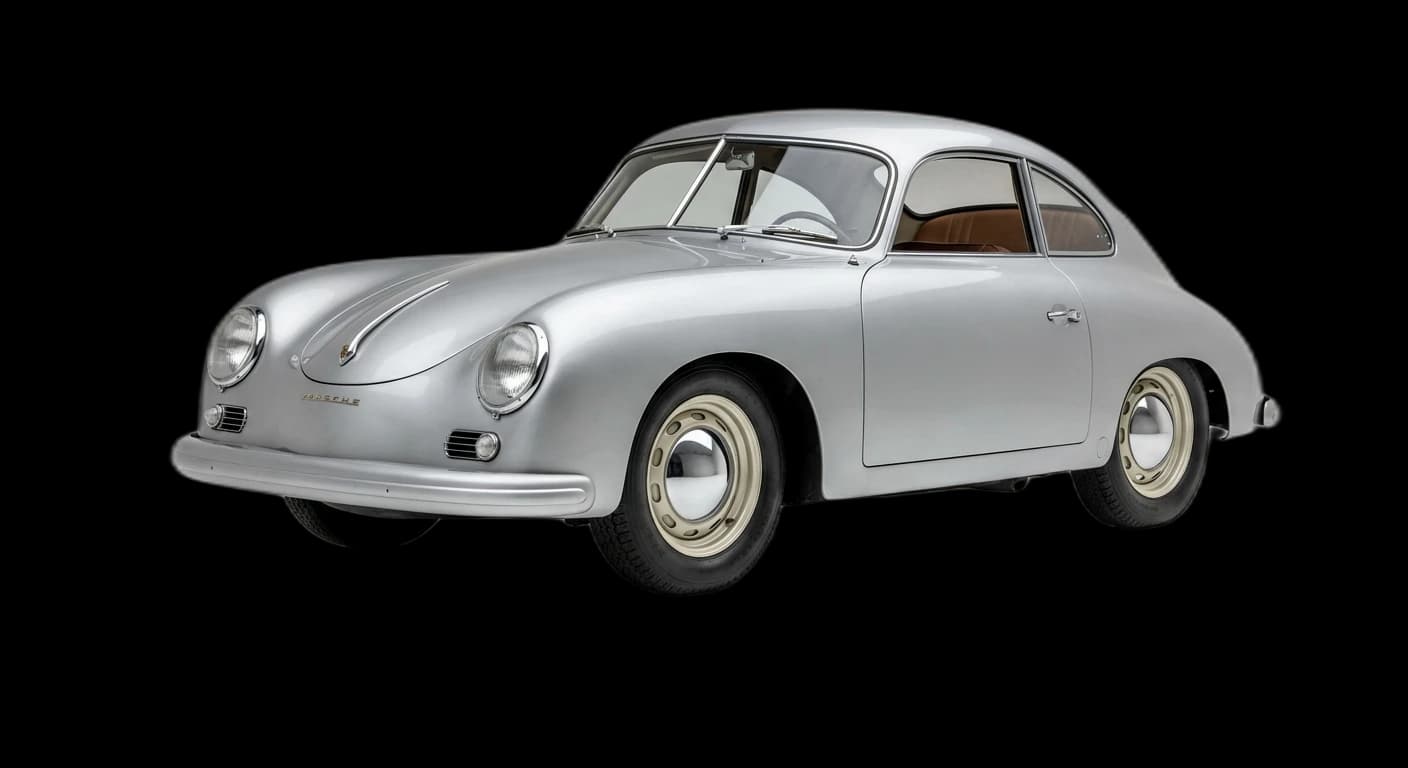
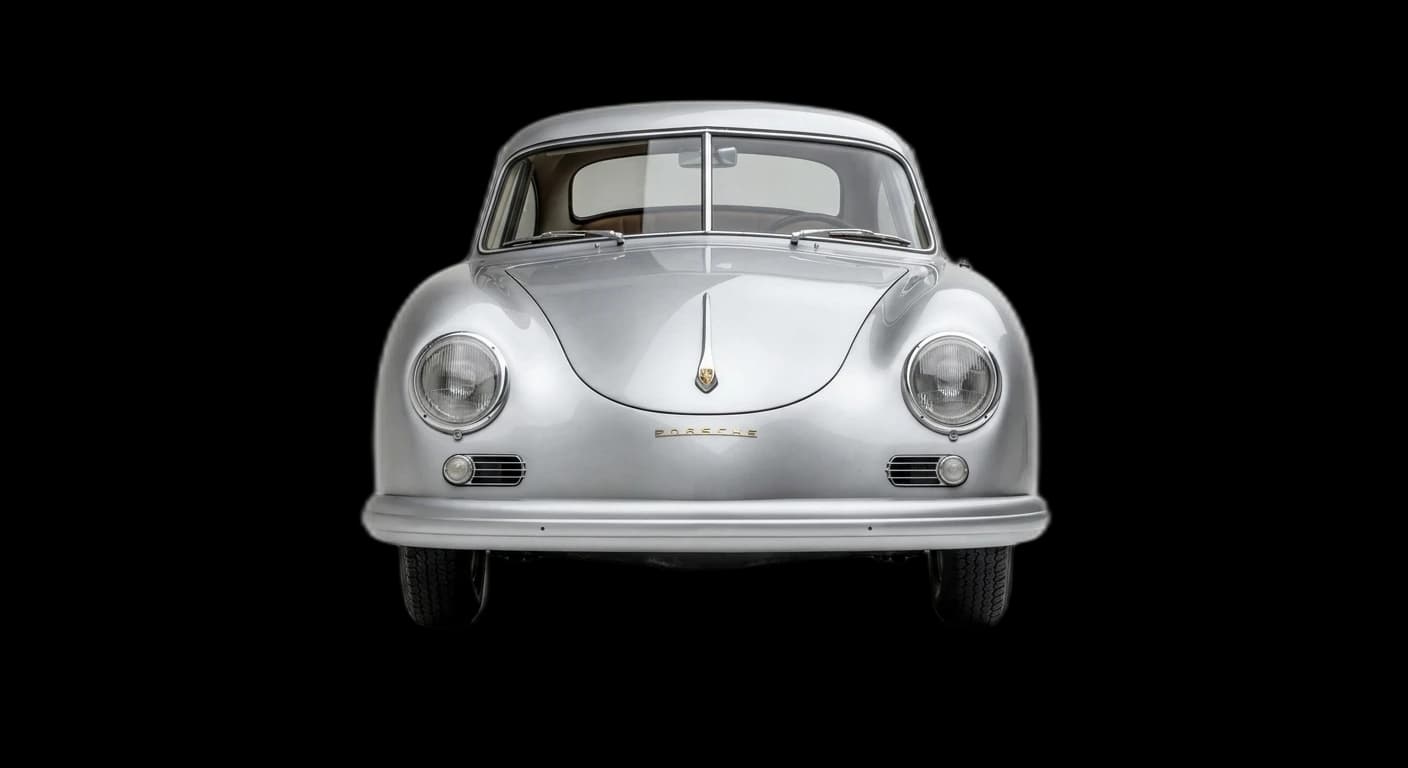
356 Pre-A
356 Speedster
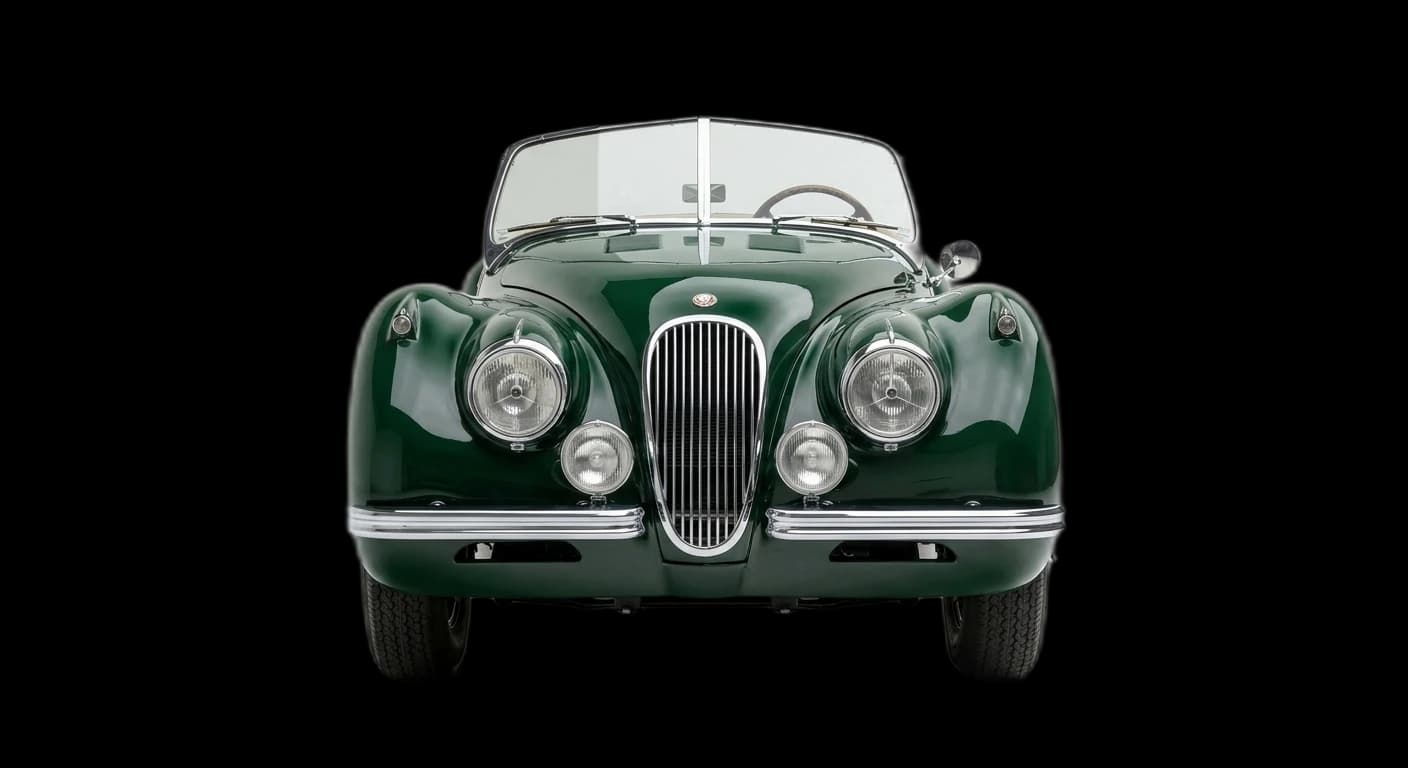
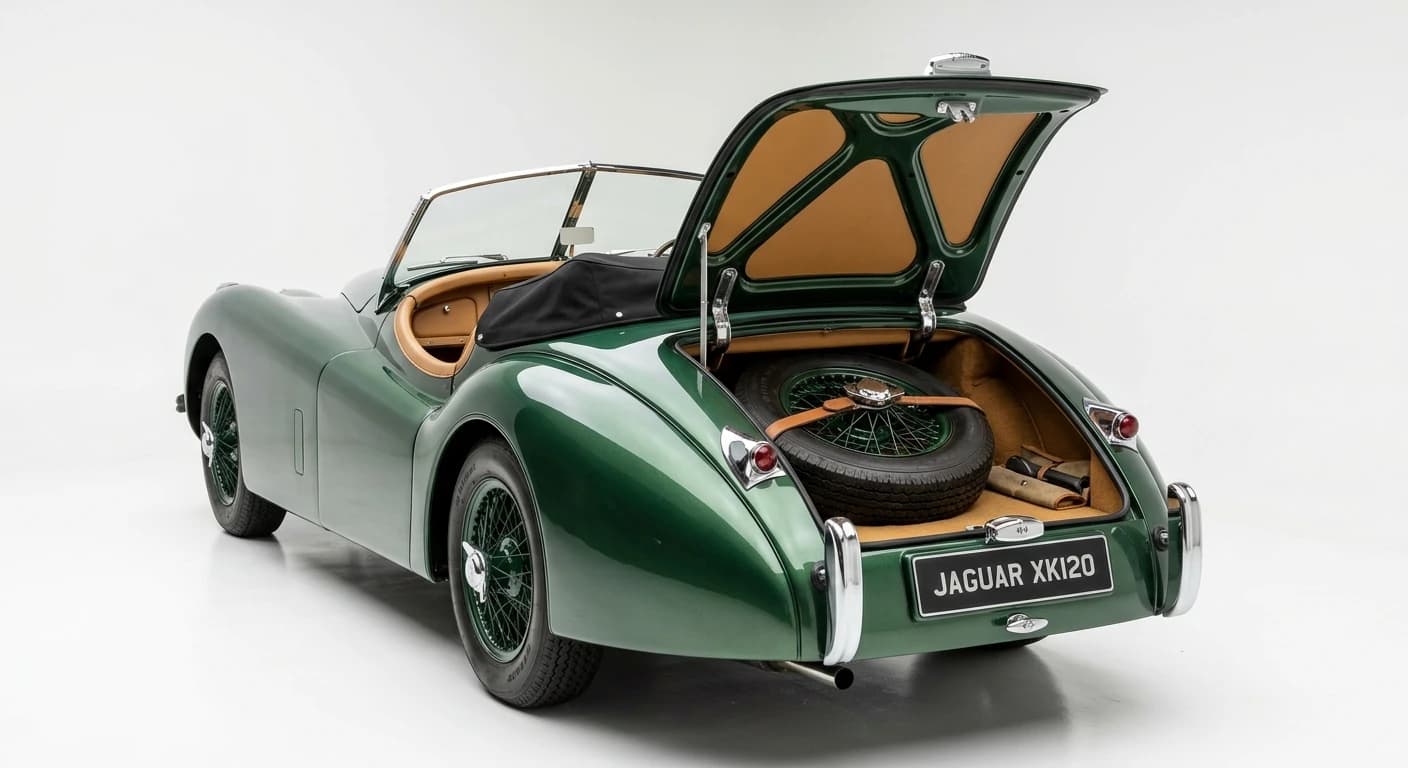
XK120
