
Defender 90
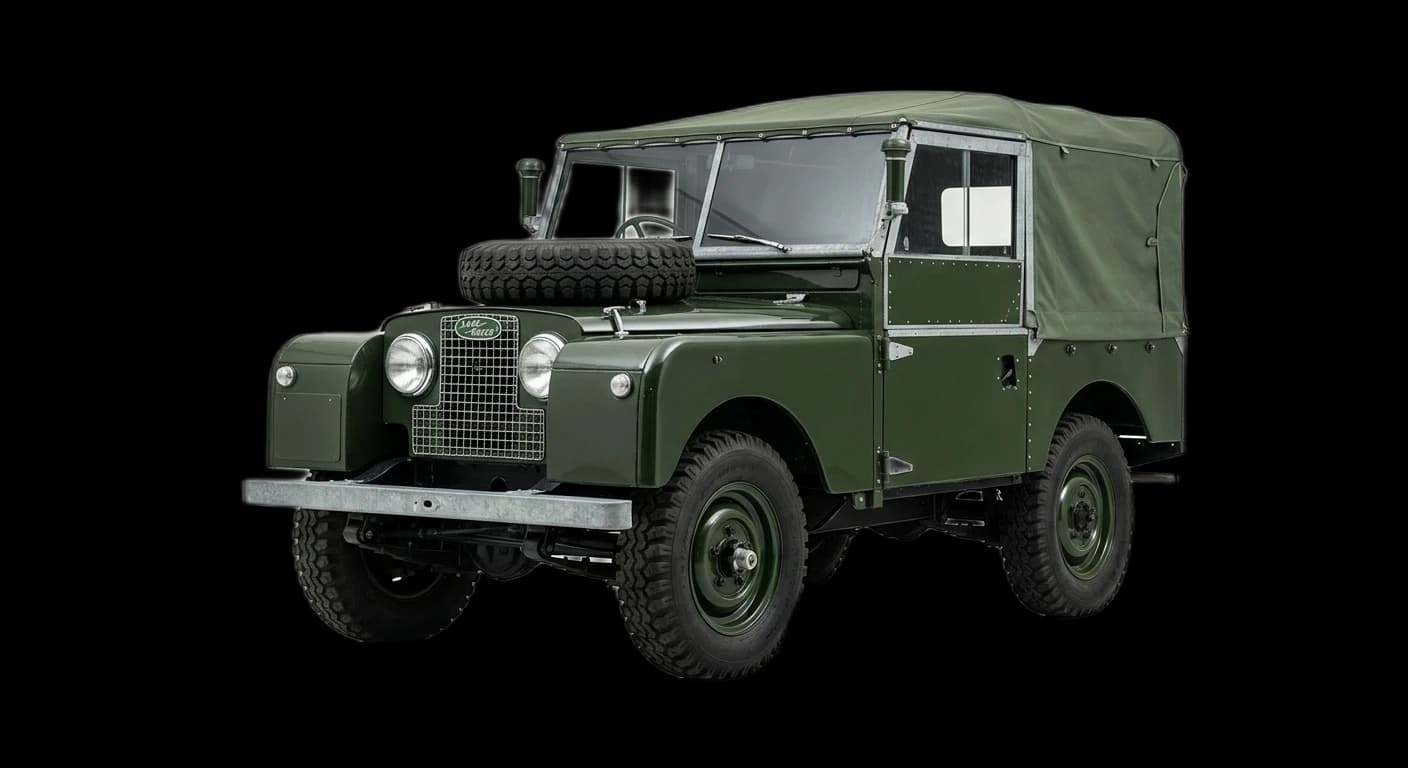
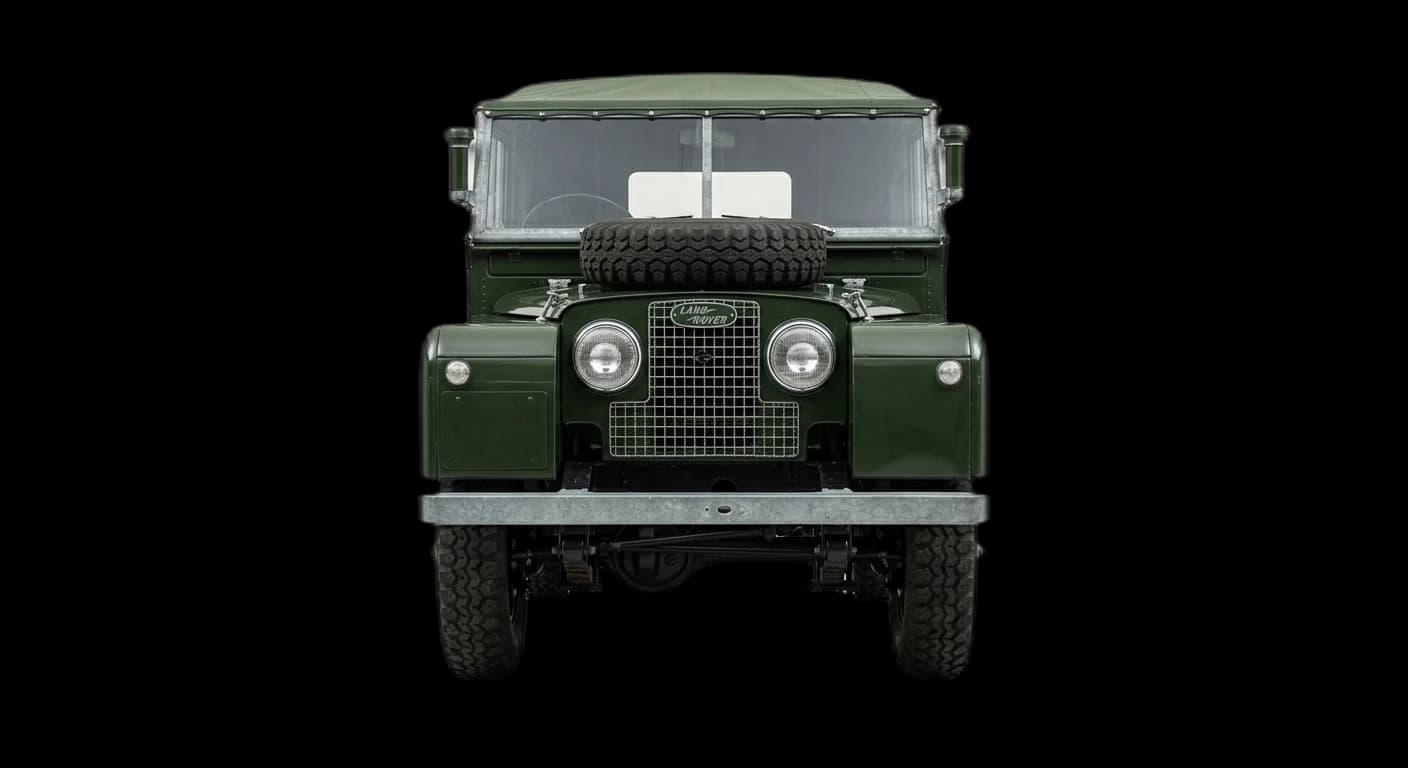
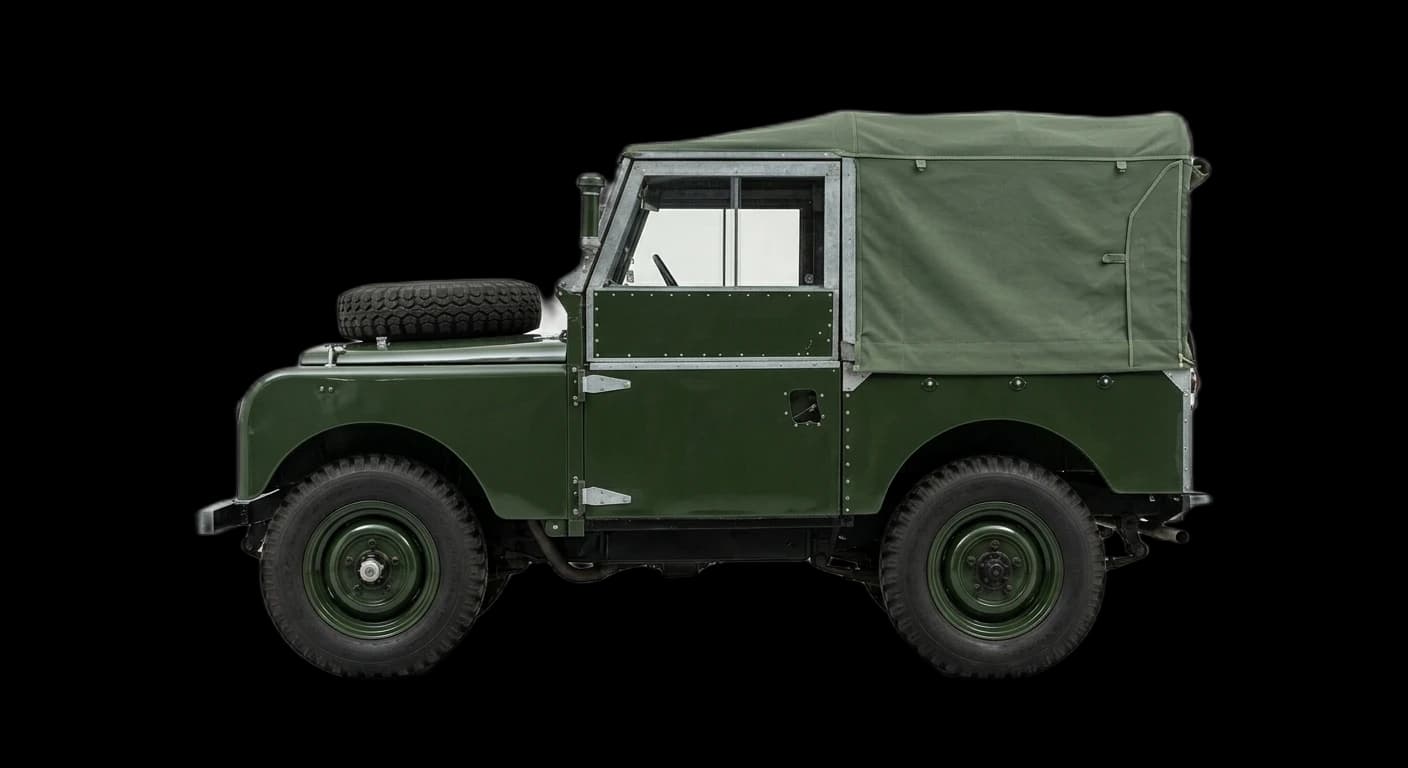
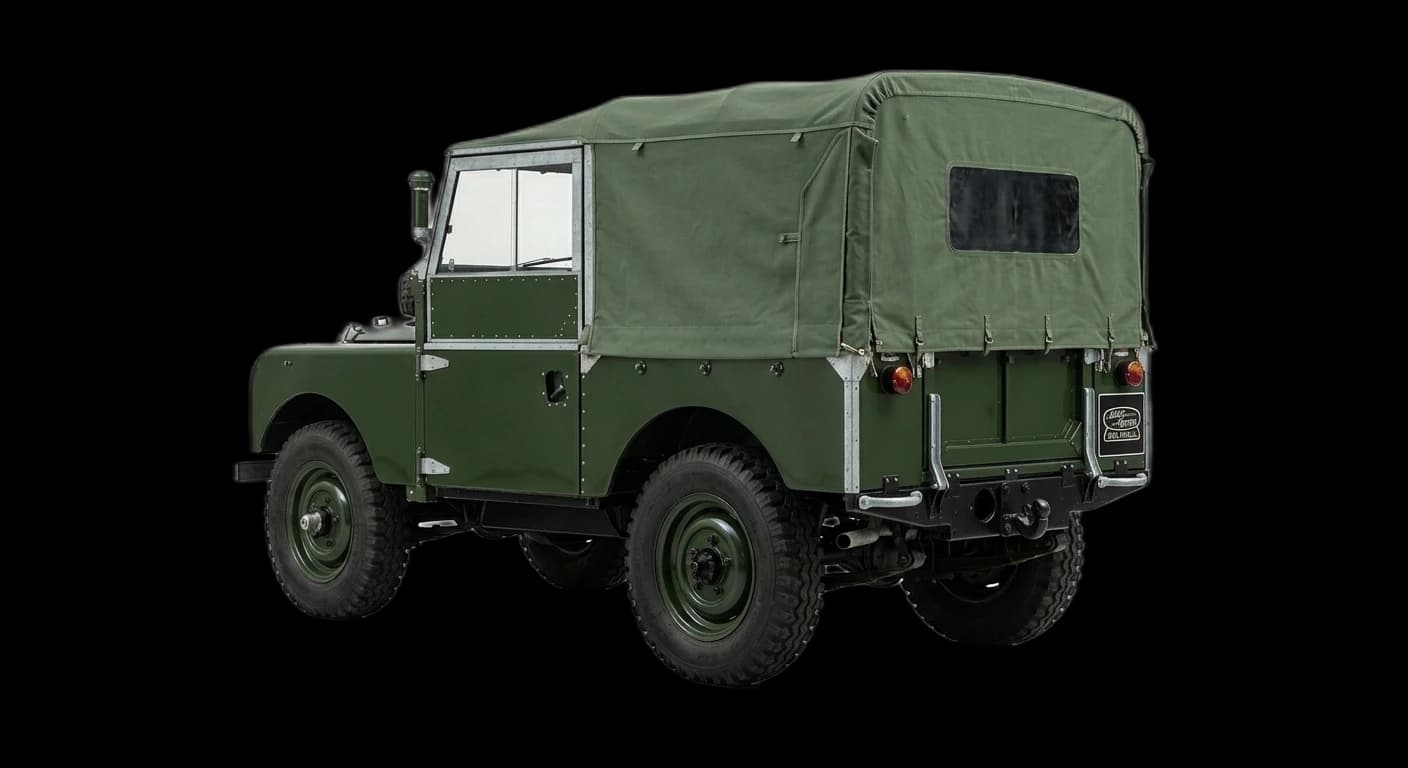
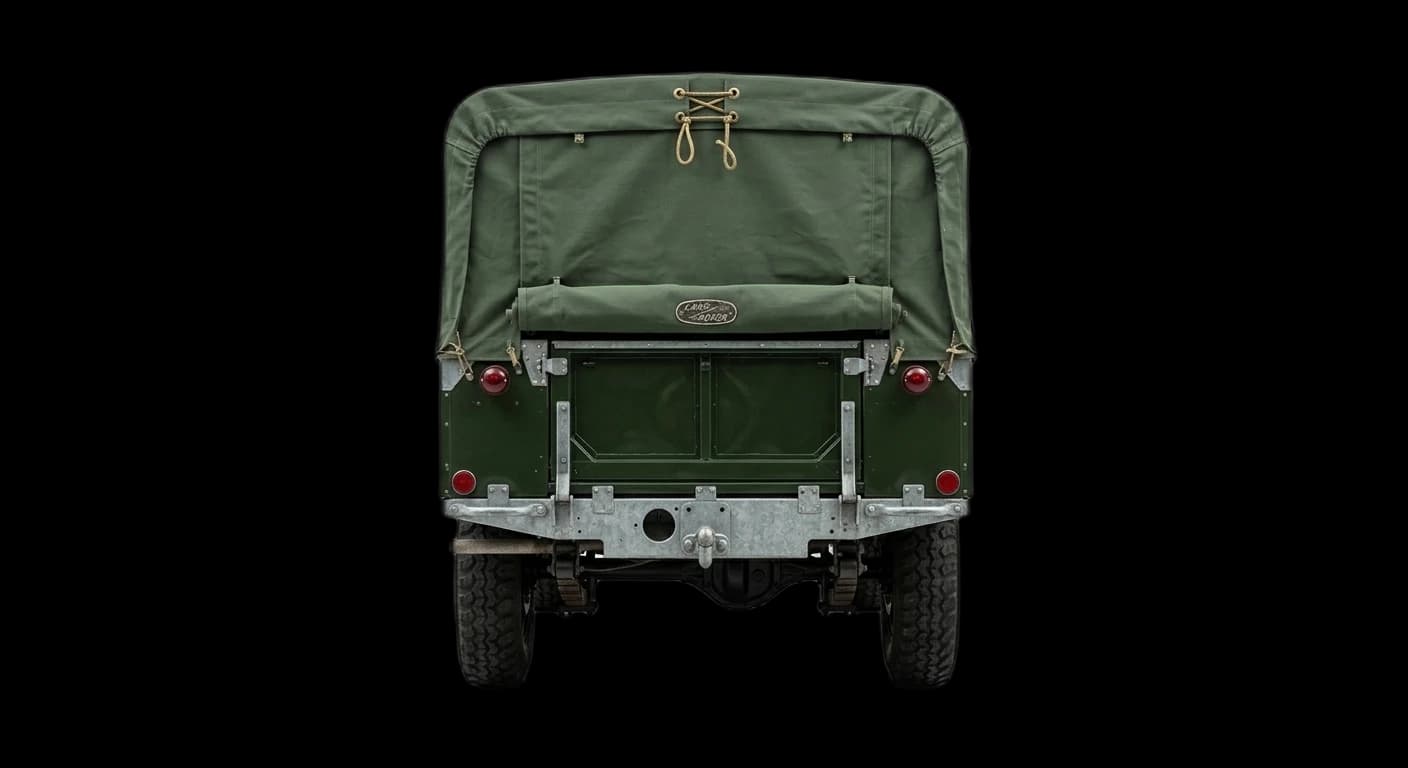
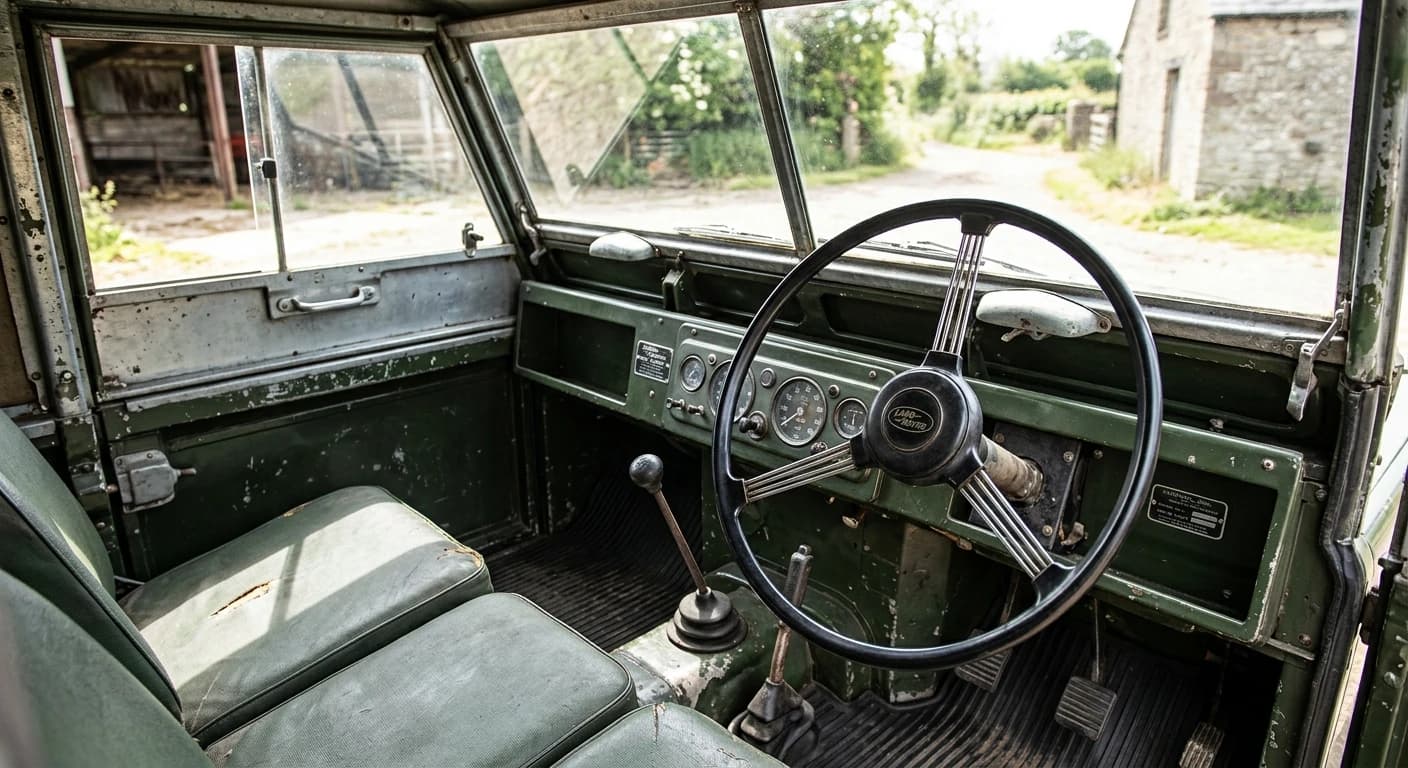
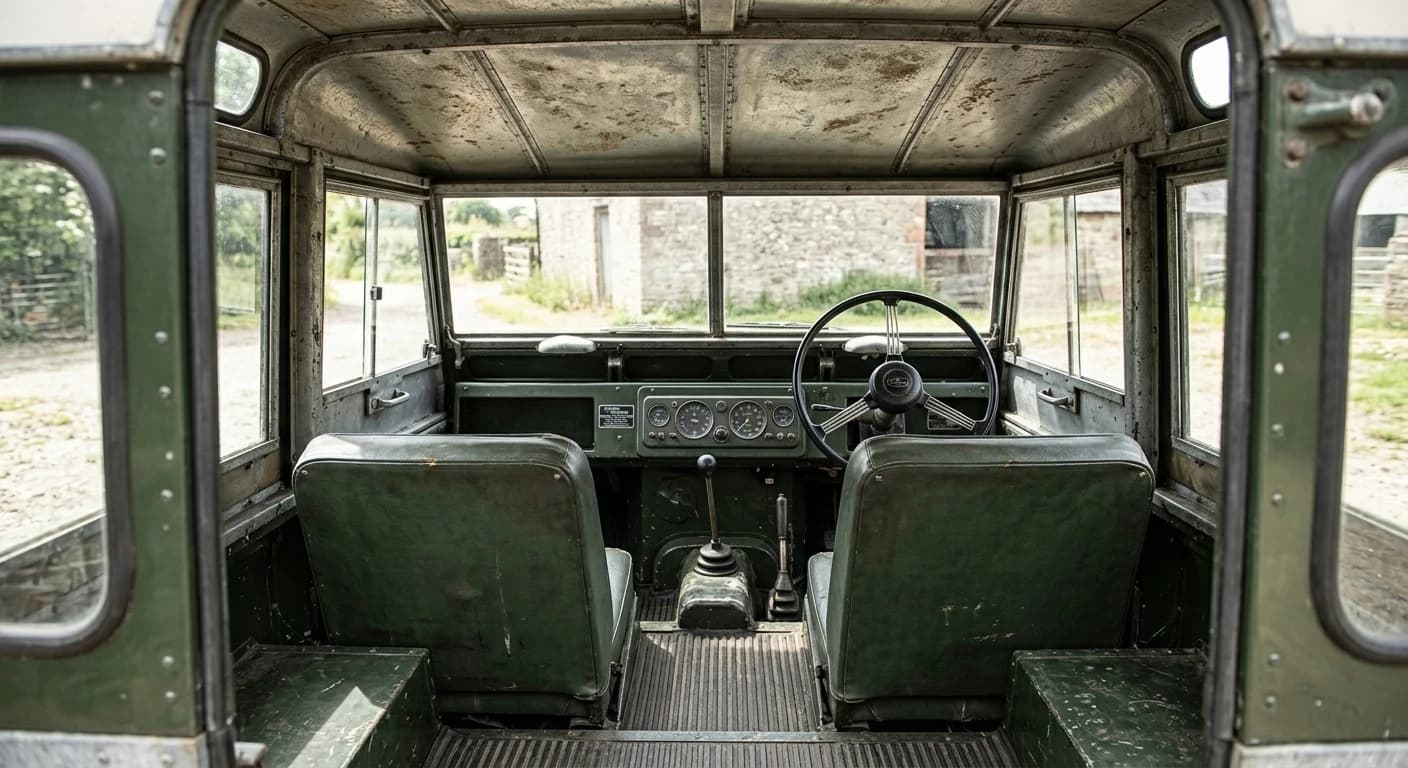
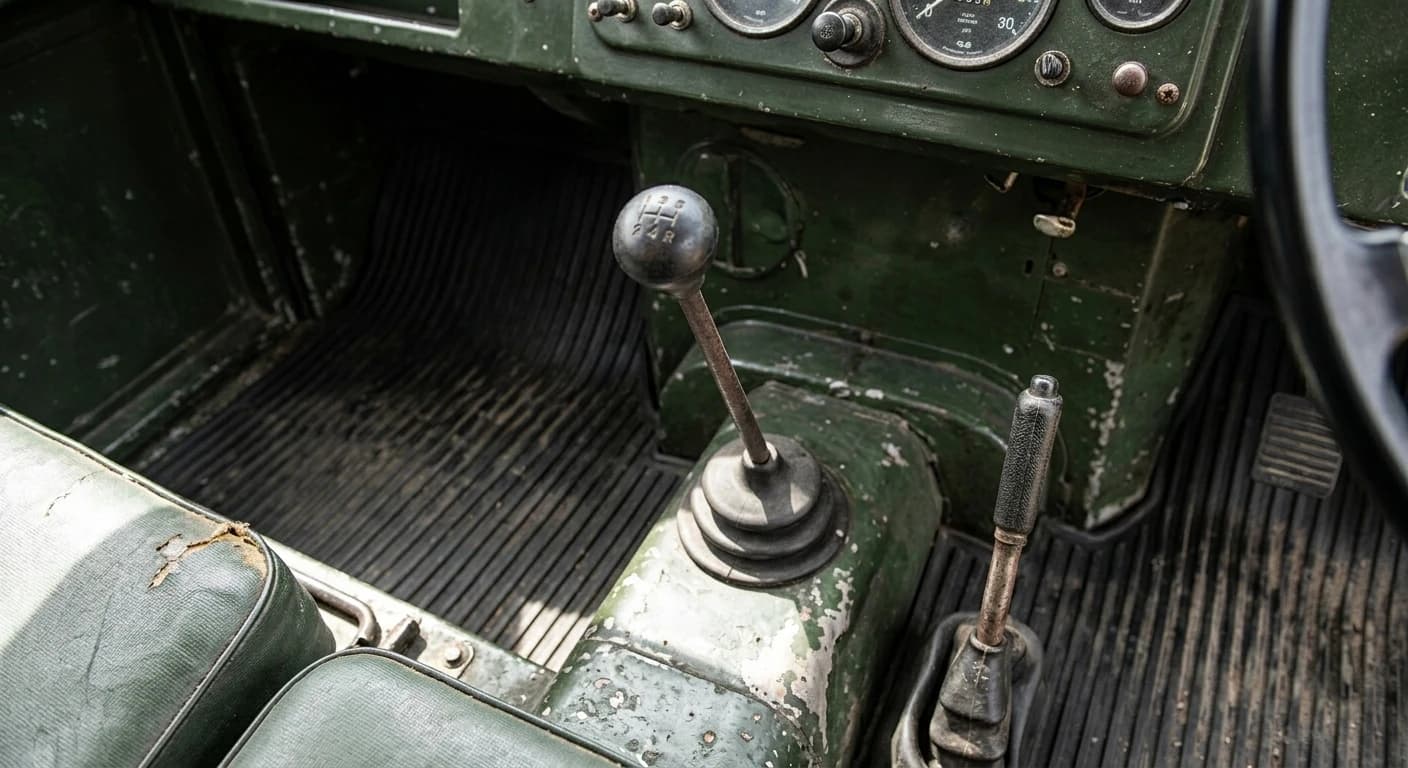
The original go-anywhere vehicle. 67 years of continuous production across Series I, II, III, and Defender. Built for farmers, armies, aid workers, and adventurers. Over 2 million produced. The shape barely changed because it never needed to.
History
Maurice Wilks, Rover's chief engineer, used a surplus Willys Jeep on his farm in Anglesey, Wales. When it wore out, he sketched a replacement on the beach using the sand as his drawing board. The result was the Land Rover, launched at the 1948 Amsterdam Motor Show.
The original Series I used a Rover P3 engine and an aluminum body (steel was rationed post-war). The utilitarian design was driven entirely by function: flat panels for easy repair, external door hinges for simplicity, and a chassis designed to survive the worst roads on earth.
The vehicle evolved through Series II (1958) and Series III (1971), with the Defender name adopted in 1990. Through all iterations, the fundamental design remained: a separate ladder-frame chassis, solid axles front and rear, and a body designed for durability over aesthetics.
The Defender served in every conflict, humanitarian crisis, and expedition of the late 20th century. The British military, UN peacekeepers, Red Cross, and Camel Trophy all relied on it. Over 2 million were built across all variants.
The original Defender ended production in January 2016 after 67 years. The final car off the Solihull line was signed by every worker. Clean Heritage Edition models now command GBP 50,000 to GBP 100,000.
Timeline
Production & Heritage
Value estimates are editorial assessments based on recent auction results and market trends.
Technical Specifications
Engine Details
Performance
Dimensions
Chassis & Suspension
Capacity
Source: Land Rover / Wikipedia
Tags
Designed by Maurice Wilks
From the 1940s
Featured in Collections
References & Sources
More in SUV
See all

X5 (E53)
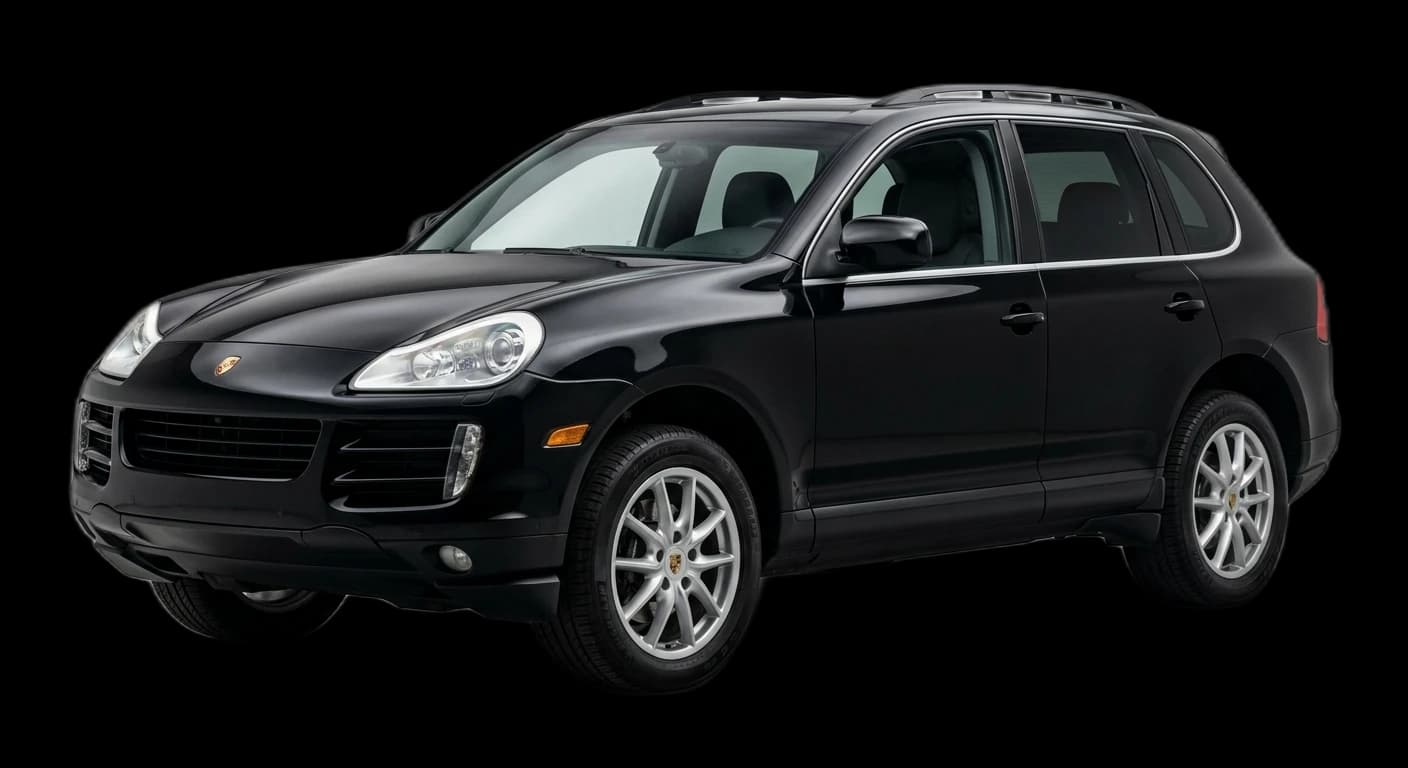
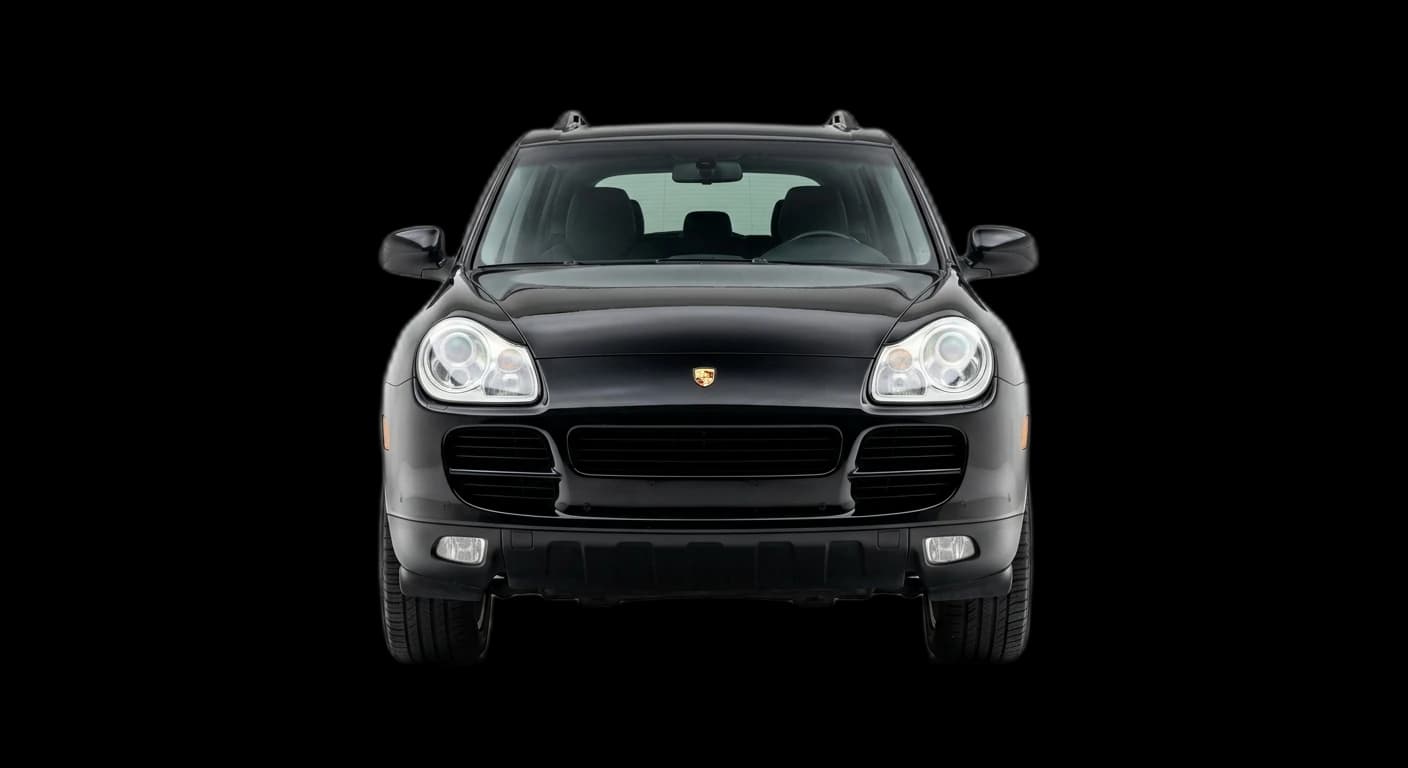
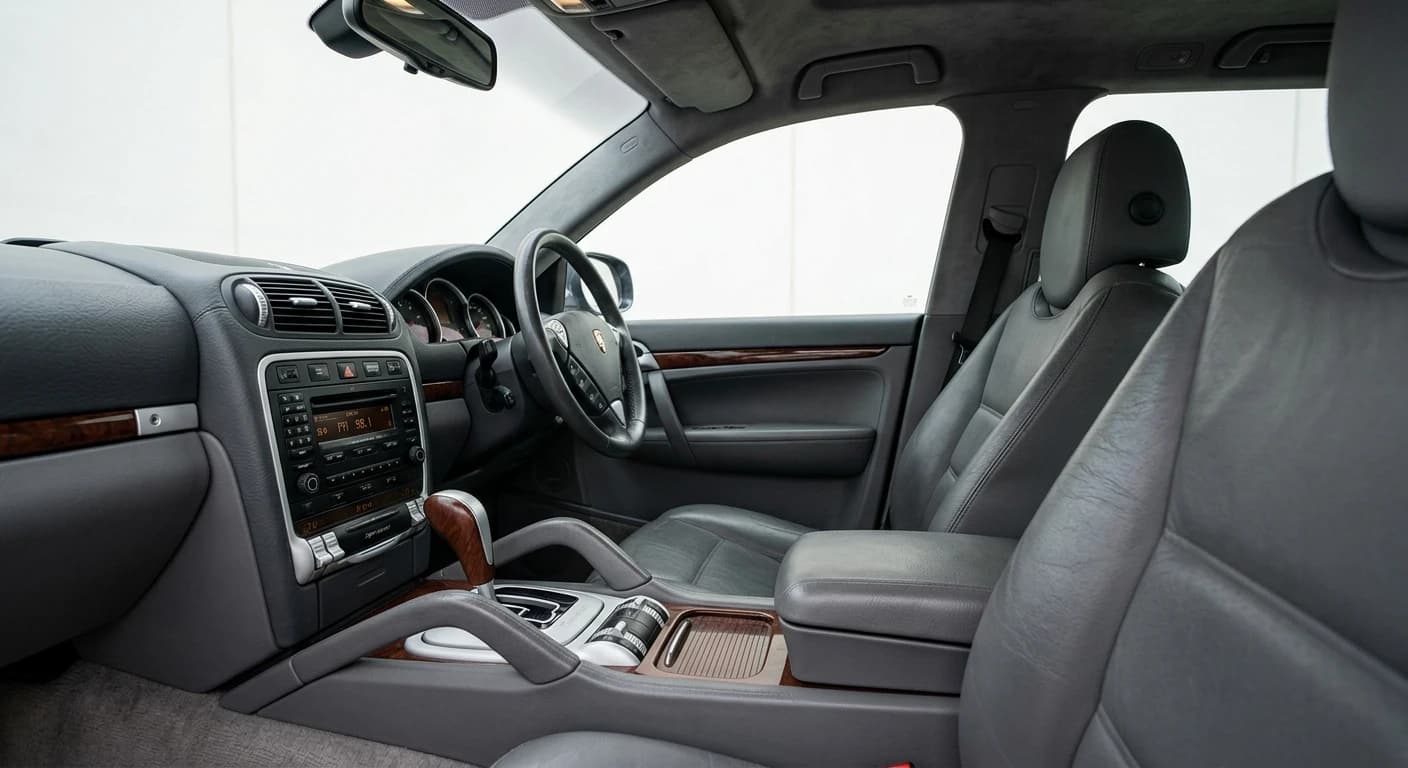
Cayenne (955)
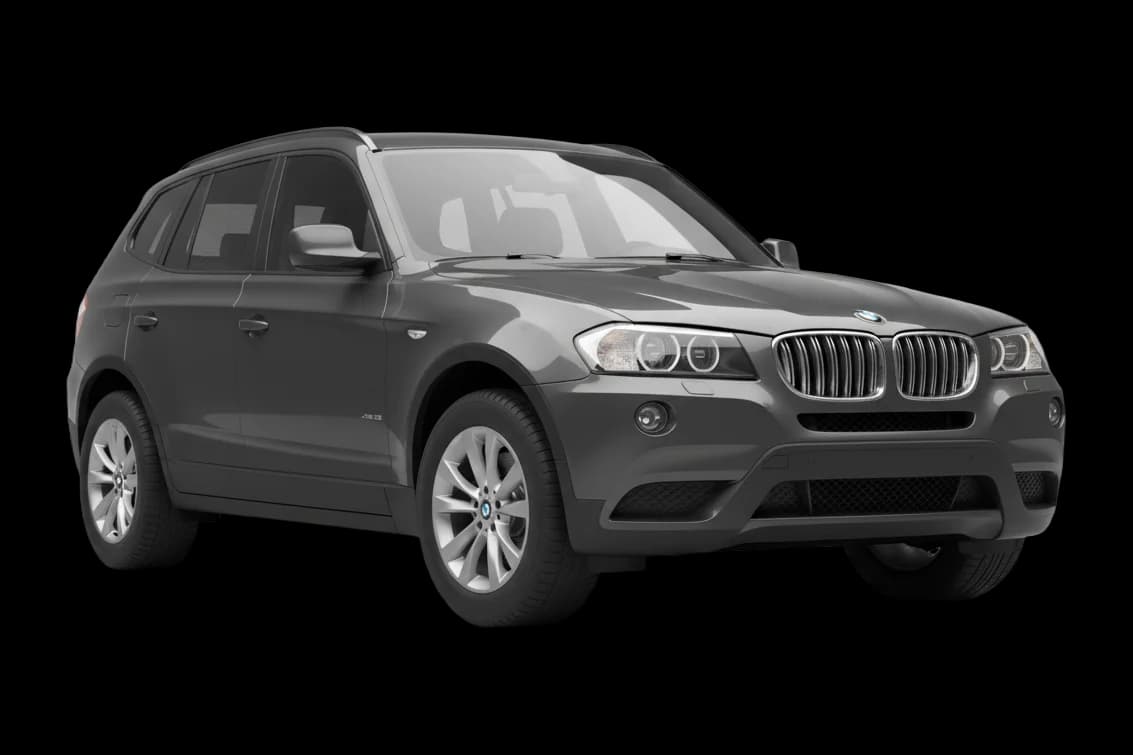


X3 (E83)
