
Mid-Engine Supercars
Engine behind the driver, weight on the rear axle. The layout that defined the supercar - from the Countach LP400 to the Ferrari F355, Lamborghini Gallardo, and Bugatti EB110.
24 vehicles
Place the engine behind the driver and ahead of the rear axle. It sounds simple. It took decades of engineering to make it work, and every manufacturer solved the problems differently. Cooling, weight distribution, gearbox packaging, rear visibility - the mid-engine layout demands compromises everywhere except where it matters most: how the car feels when you turn the steering wheel.
The Pioneers
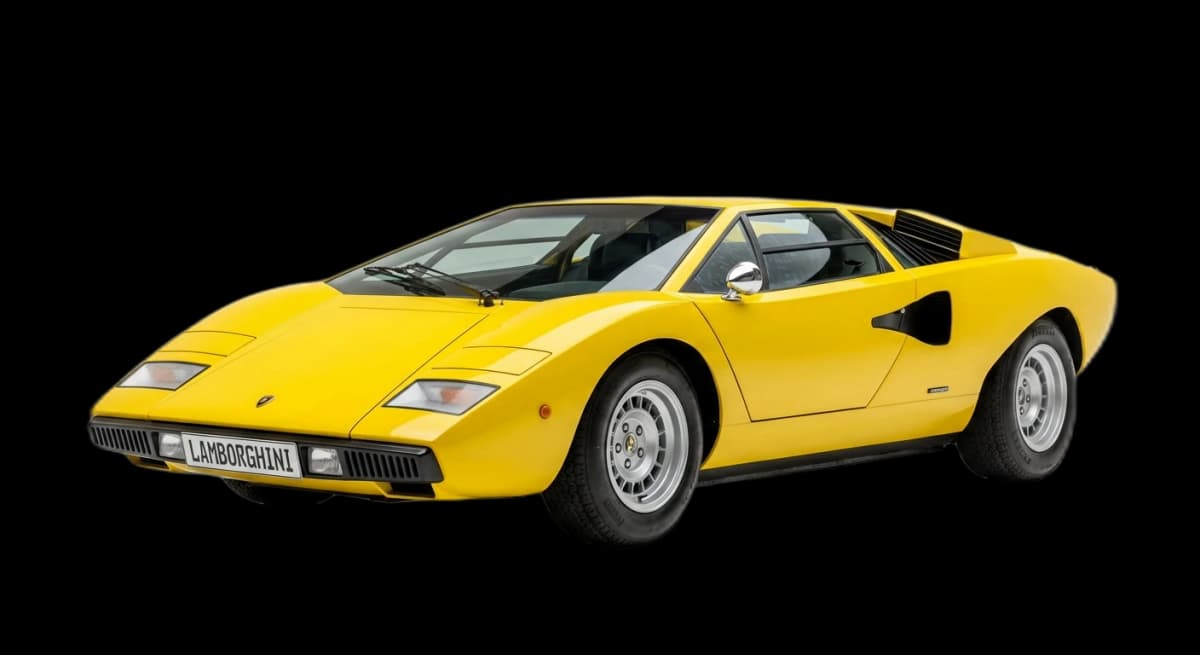
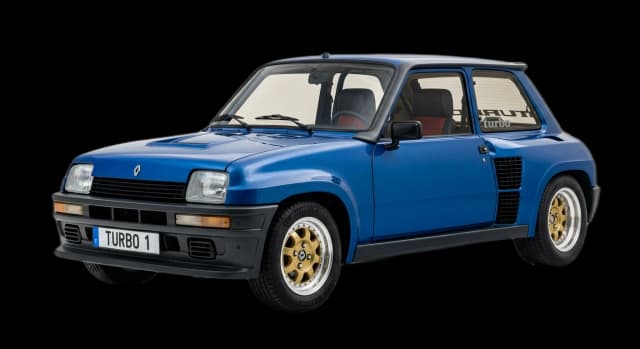
Lamborghini's Countach LP400 didn't invent the mid-engine supercar - the Miura did. But the Countach defined its visual language for the next five decades. Gandini's wedge shape, the visible V12, the scissor doors - every supercar since has been measured against it. The Renault 5 Turbo took the opposite approach: move the engine to the middle of a city car, widen the rear, and create something that looked absurd and drove like a revelation.
The Ferrari Dynasty
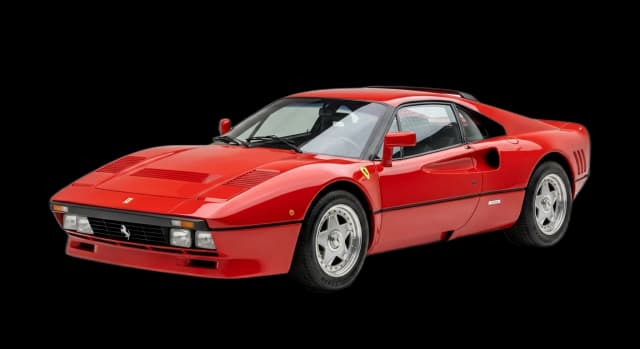
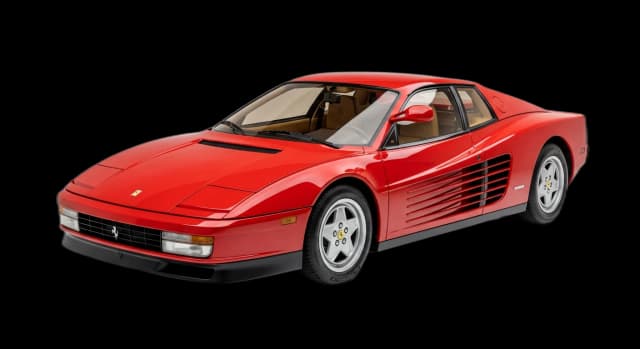
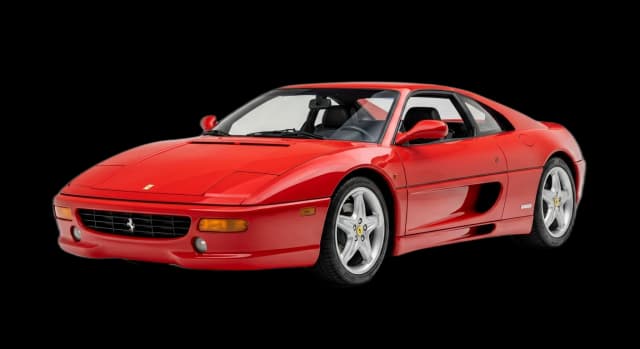
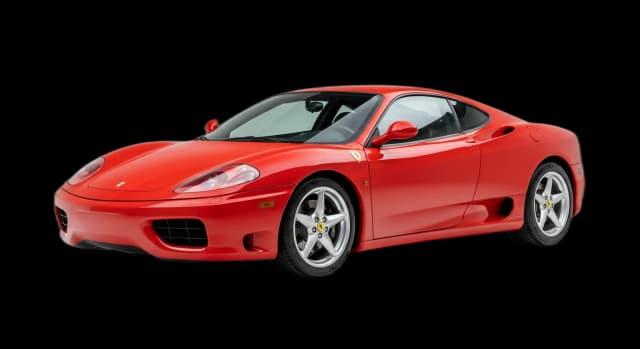
Ferrari's mid-engine lineage is the most consistent in automotive history. The 288 GTO pioneered twin-turbo V8 power. The Testarossa's flat-12 sat so low it changed the car's entire silhouette. The F355 introduced the five-valve-per-cylinder V8 - possibly the best-sounding Ferrari engine ever made. And the 360 Modena brought aluminum construction and aerodynamic downforce to a car that felt faster than its numbers suggested.
The Modern Era
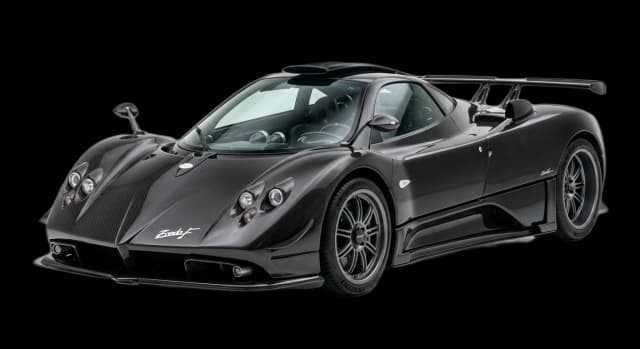
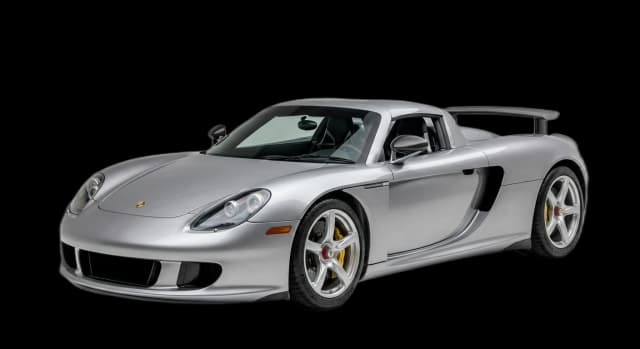
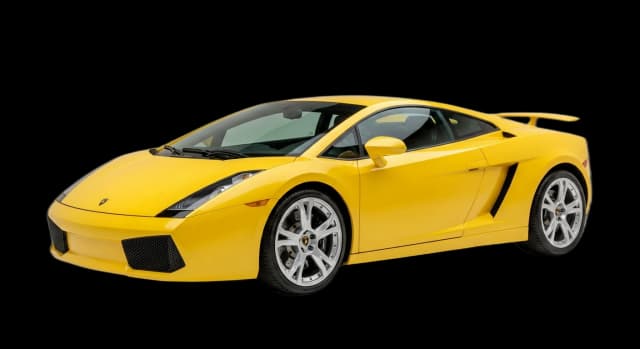
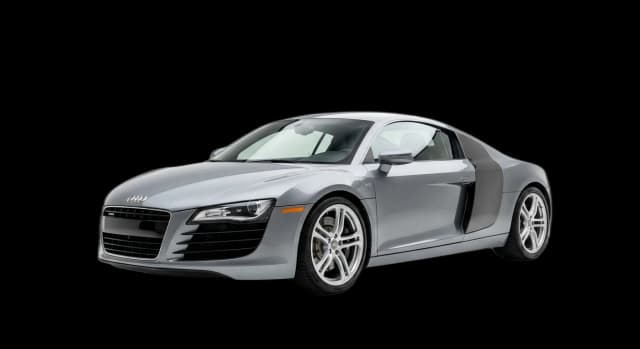
The Pagani Zonda proved that a small workshop could build a mid-engine masterpiece. The Porsche Carrera GT's V10 was derived from a cancelled Le Mans program. The Ferrari Enzo used Formula 1 technology in a road car. Lamborghini's Gallardo made the mid-engine supercar accessible - relatively speaking. And Audi's R8 proved that a mid-engine car could be comfortable, practical, and driven every day.
The mid-engine layout is physics made visible. You can feel the mass behind your shoulders, sense the rear axle loading through the seat, and understand intuitively why the car rotates the way it does. Front-engine cars hide their engineering. Mid-engine cars celebrate it.
