Quattro: How Audi Made All-Wheel Drive Desirable
Before the Ur-Quattro, all-wheel drive was for tractors and Land Rovers. Audi turned it into a performance advantage that redefined rally racing and road cars alike.
In 1977, Audi engineer Jörg Bensinger
In 1977, Audi engineer Jörg Bensinger was testing a Volkswagen Iltis military vehicle in the Austrian Alps. The Iltis — a simple, lightweight 4x4 — climbed snow-covered mountain passes that would have stopped any sports car dead. Bensinger had an idea: what if this traction advantage could be applied to a performance car?
The concept was radical. In 1977, all-wheel drive meant heavy, agricultural vehicles with transfer cases and locking differentials. No one had successfully combined permanent all-wheel drive with the kind of performance Audi was pursuing. The engineering challenges were substantial: the system had to be light enough not to kill performance, strong enough to handle high power, and sophisticated enough to distribute torque seamlessly.
Ferdinand Piëch — then head of Audi's technical development — championed the project. The solution was elegant: a hollow secondary shaft running through the center of the transmission, driving a rear differential through a prop shaft. No transfer case, no extra weight. The system added just 50 kg to the car's weight.
The Ur-Quattro debuted at the 1980
The Ur-Quattro debuted at the 1980 Geneva Motor Show. It was a blunt instrument: 200 hp from a turbocharged five-cylinder, permanent all-wheel drive, and a body based on the Audi Coupe. It wasn't beautiful. It didn't need to be.
In competition, the Quattro was devastating. Hannu Mikkola won the 1981 World Rally Championship drivers' title. Audi won the manufacturers' championship in 1982 and 1984. The Quattro's traction advantage on loose surfaces was so profound that it forced the FIA to rewrite Group B regulations. Every serious rally team switched to all-wheel drive within three years.
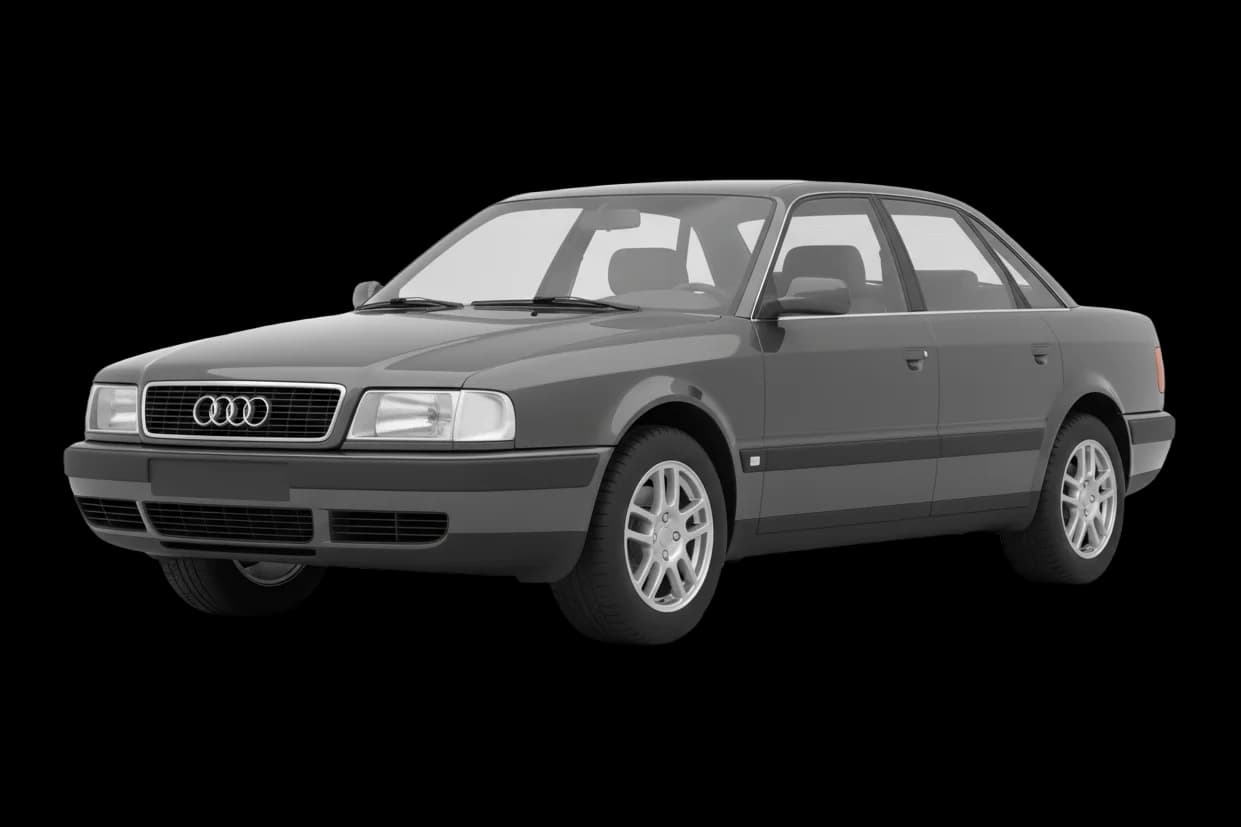
The road-car implications were equally significant. Audi applied Quattro technology across its entire range during the 1980s. The 100 Quattro, the 200 Quattro, and eventually the 80 Quattro brought all-weather confidence to everyday driving. The system evolved through multiple generations — from the original manual-locking center differential to the Torsen-based system that required no driver input.
The RS2 Avant of 1994 —
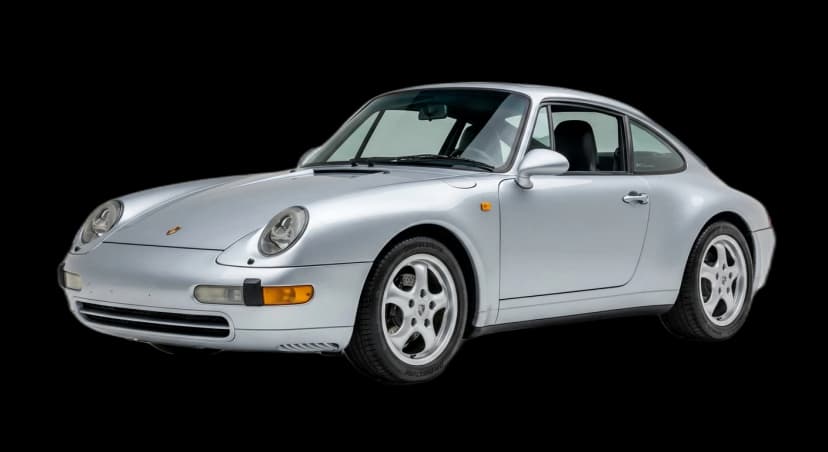
The RS2 Avant of 1994 — developed with Porsche — was the ultimate expression of Quattro philosophy in the analog era. A turbocharged five-cylinder producing 315 hp, all-wheel drive, and an estate body. It could outrun a 993 Porsche 911 to 30 mph. Porsche's own engineers were reportedly disturbed by how fast their collaboration partner's car had turned out.
Today, Quattro is Audi's most valuable brand asset. Over 12 million Quattro-equipped cars have been sold. The system has evolved from mechanical differentials to electronically controlled torque vectoring, but the fundamental promise remains the same: go anywhere, in any weather, with confidence.
Jörg Bensinger's observation on an Austrian mountain pass — that traction is performance — changed the automotive industry permanently. Before Quattro, all-wheel drive was for off-road vehicles. After Quattro, it was for anyone who wanted to go faster.
Written by Singular Heritage Team
Published November 21, 2025 · 8 min read
Part of the Singular Heritage network