
Rally Legends
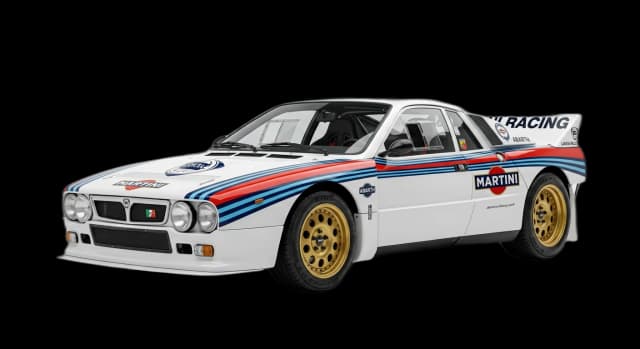
Born on gravel, proven on tarmac. The Lancia Delta Integrale, Porsche 959, Renault 5 Turbo, Audi Quattro, and Lancia 037 - cars forged in the fires of Group B and Group A.
10 vehicles
Between 1982 and 1986, Group B rallying pushed car manufacturers to build the most extreme road-legal machines ever conceived. When the FIA shut it down after fatal accidents, the technology didn't disappear - it migrated into road cars that carried rally DNA onto public roads. This collection documents the survivors.
The Group B Genesis
Group B had one rule: build 200 road cars, then do whatever you want for competition. Manufacturers responded with 500+ hp monsters clad in composite bodywork, racing on narrow forest roads lined with spectators standing inches from the tarmac. It was the most spectacular and most dangerous era in motorsport history. Henri Toivonen's fatal crash at the 1986 Tour de Corse ended it overnight.
The Quattro Revolution
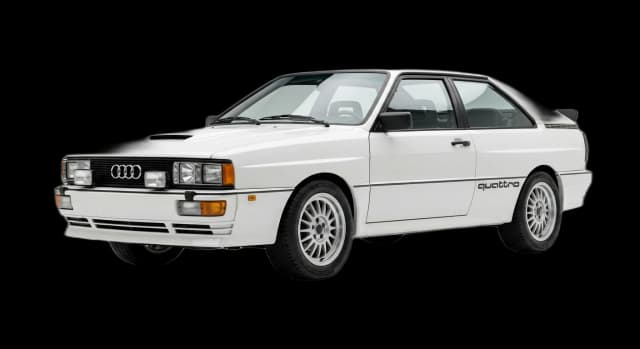
Audi's Ur-Quattro proved that all-wheel drive wasn't just for tractors. When Hannu Mikkola won the 1981 WRC drivers' title, every manufacturer scrambled to add four driven wheels. The technology Audi pioneered on gravel stages eventually reached every road car in their lineup - and the RS2 Avant, co-developed with Porsche, was the ultimate expression of that philosophy.
Lancia's Dominance
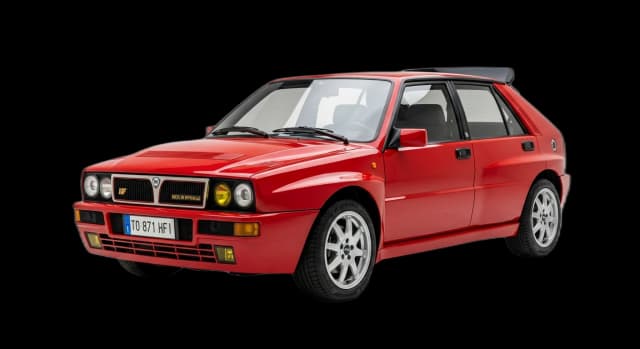
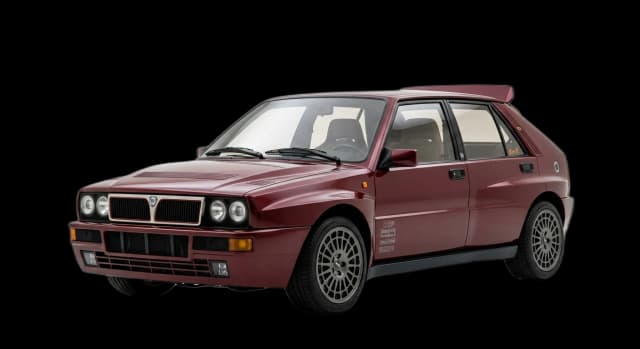
Six consecutive World Rally Championship manufacturers' titles from 1987 to 1992. No other car has matched the Delta Integrale's record. Lancia took a Giugiaro-designed family hatchback and rebuilt it with a turbocharged engine, permanent all-wheel drive, and widened bodywork that grew more aggressive with each evolution. The Evo II, with its adjustable center differential, was as close to a Group A rally car as you could register for the road.
The Outsiders
Not every rally legend came from a factory team. Renault moved the engine behind the driver in a city car and created the absurd, brilliant 5 Turbo. Porsche built the 959 as a technology laboratory - sequential twin-turbocharging, electronically controlled AWD, and tire pressure monitoring, all in 1986. The Peugeot 205 GTI became the definitive hot hatchback. Each took a different lesson from rallying's extremes.
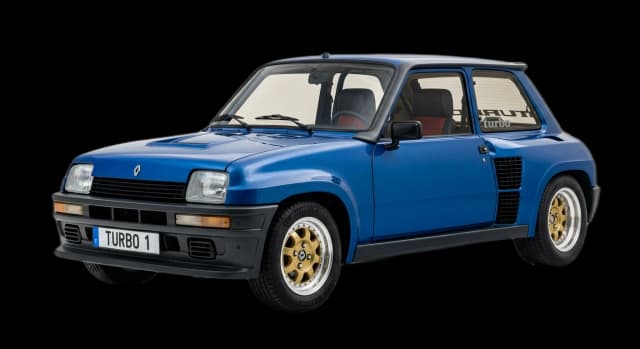
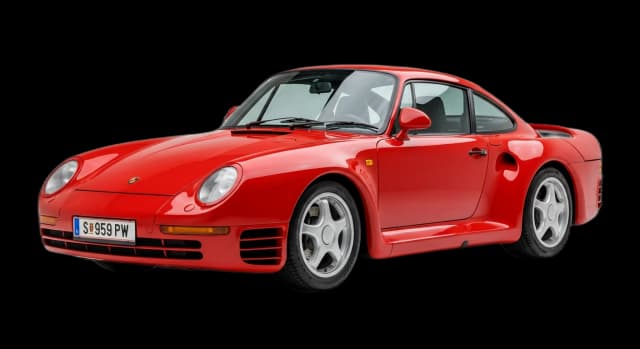
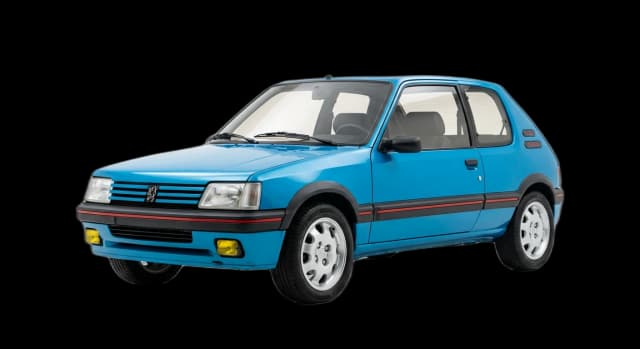
These cars share a common inheritance: the belief that performance justifies any engineering complexity. Technologies we now take for granted - turbocharging, all-wheel drive, advanced aerodynamics - were pioneered on forest stages and mountain passes. The rally legends didn't just win championships. They changed what road cars could be.
