
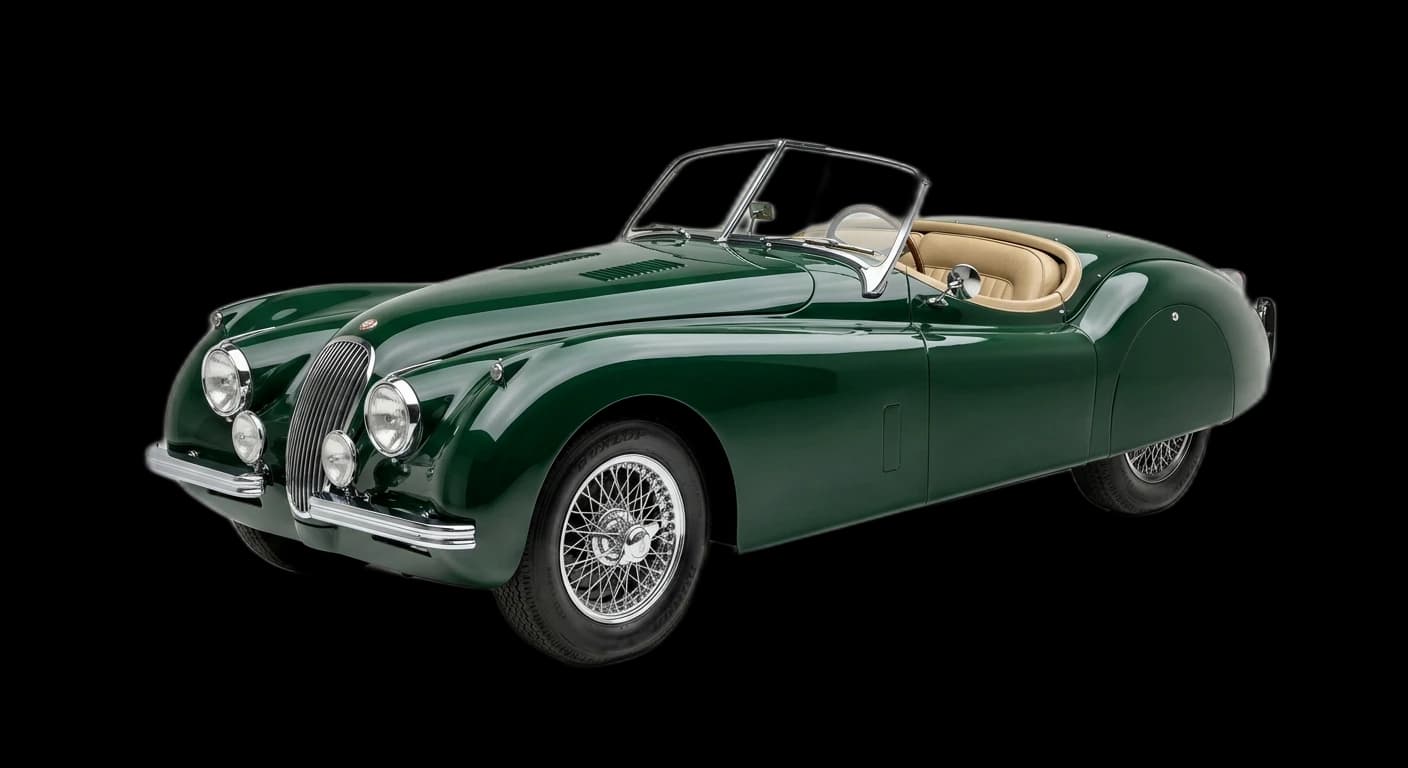
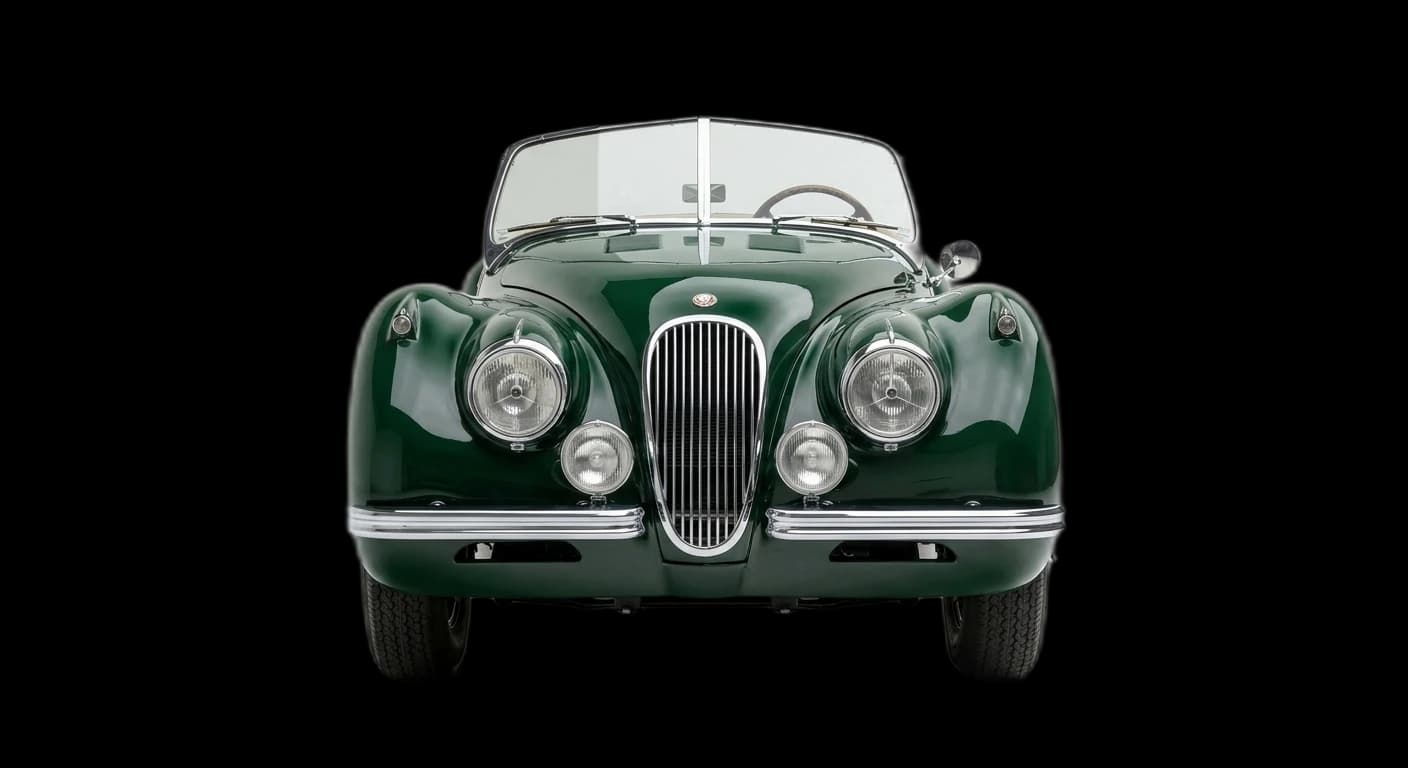
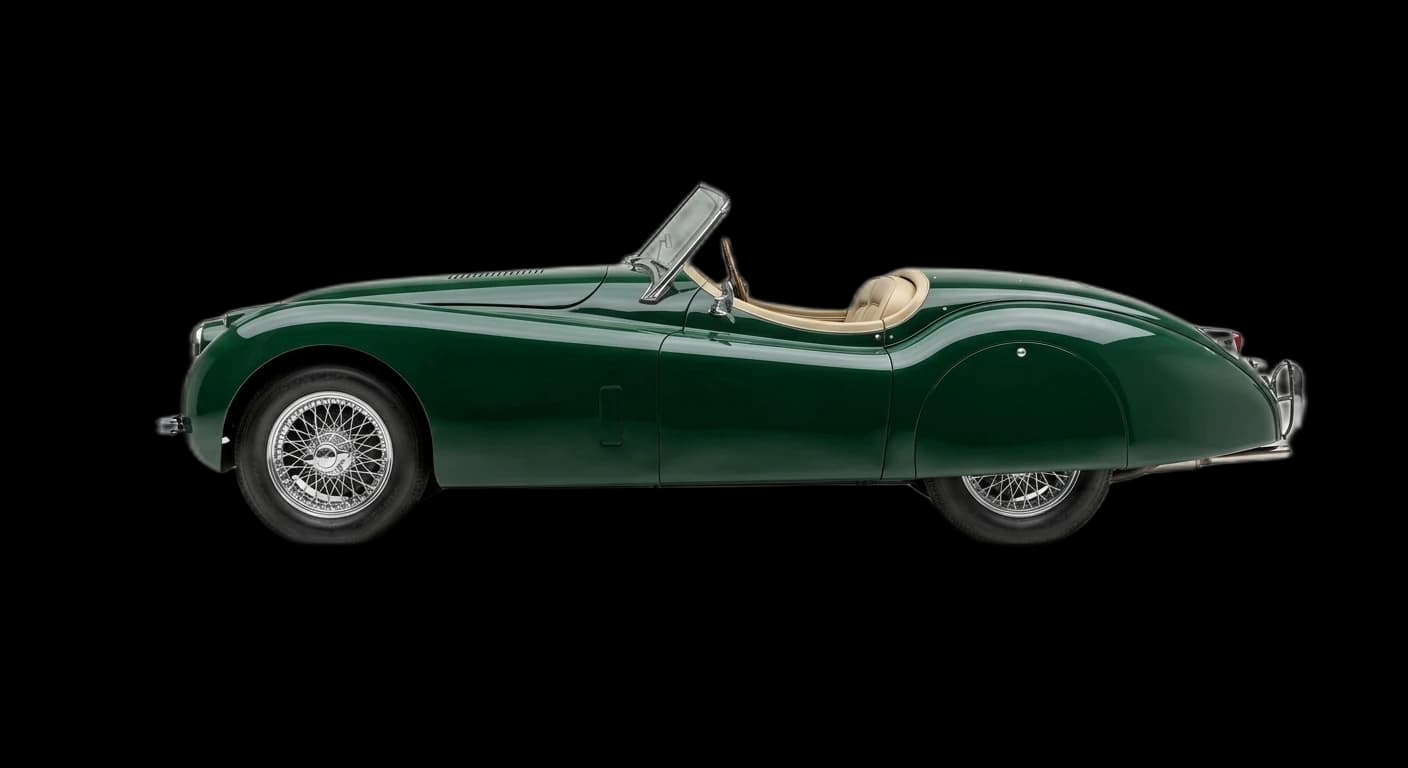
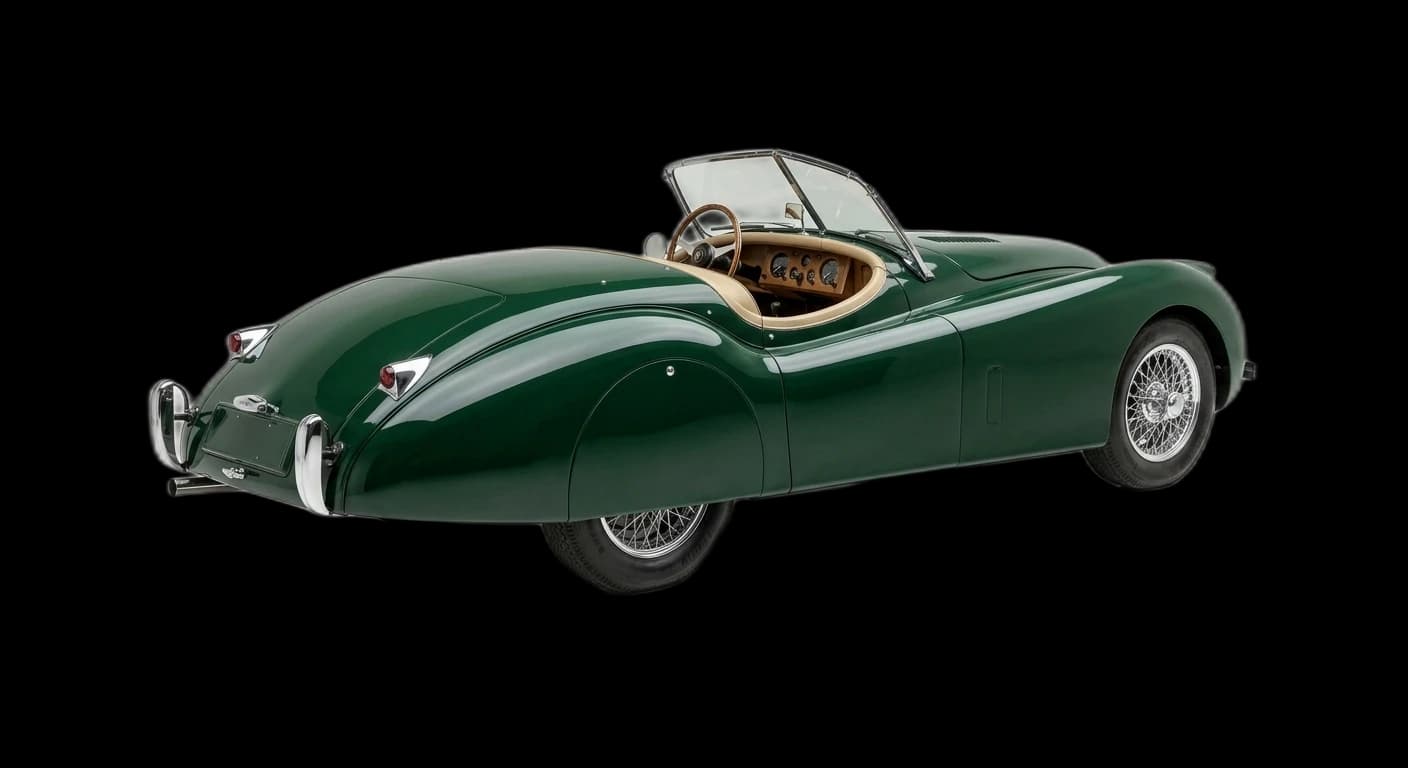
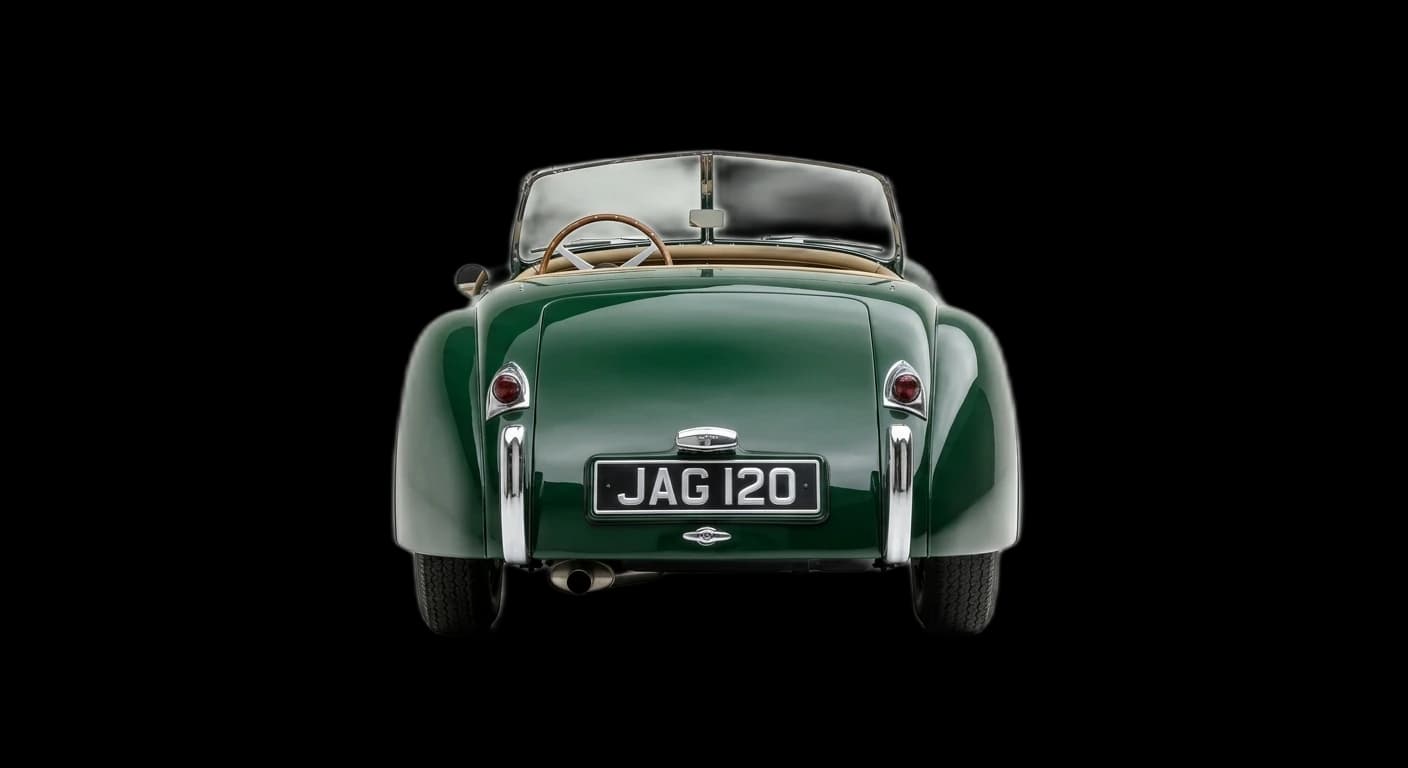
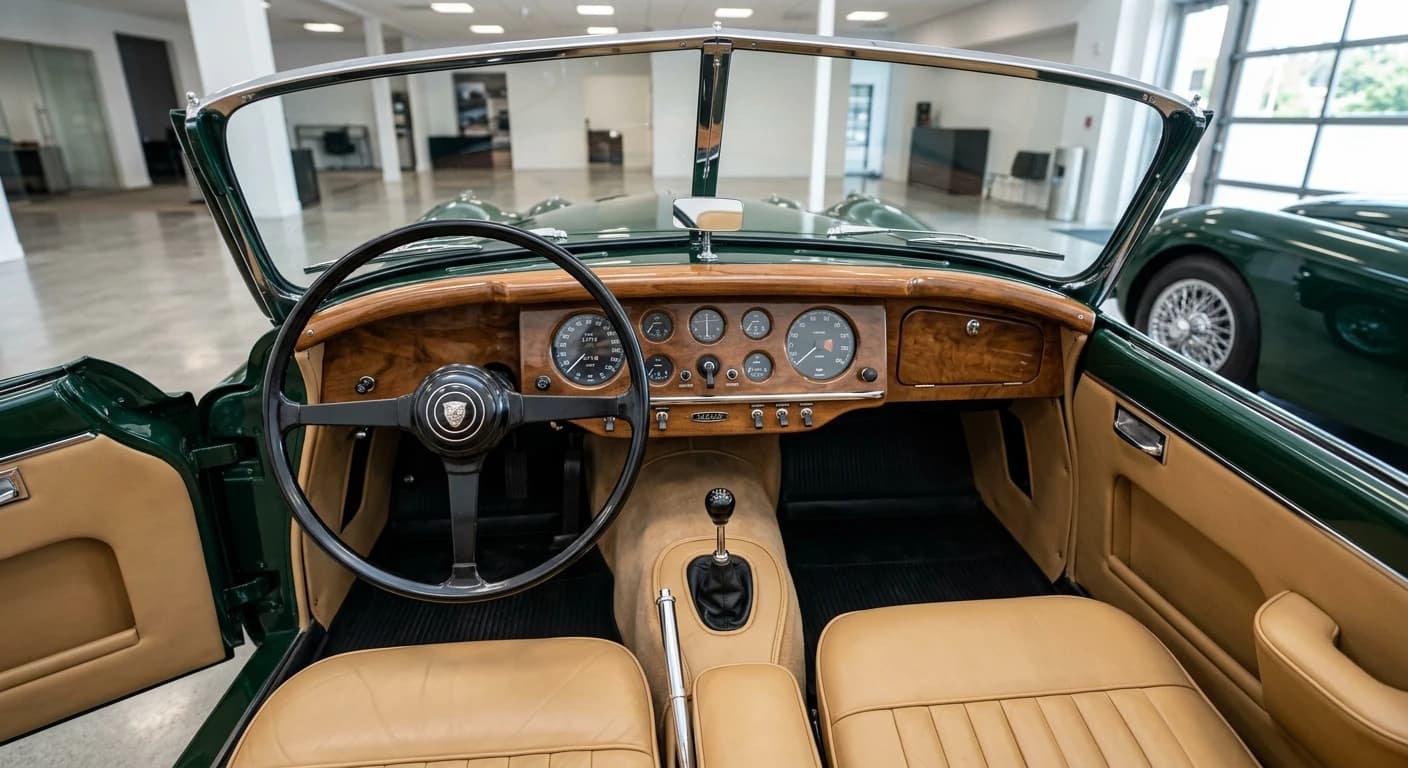
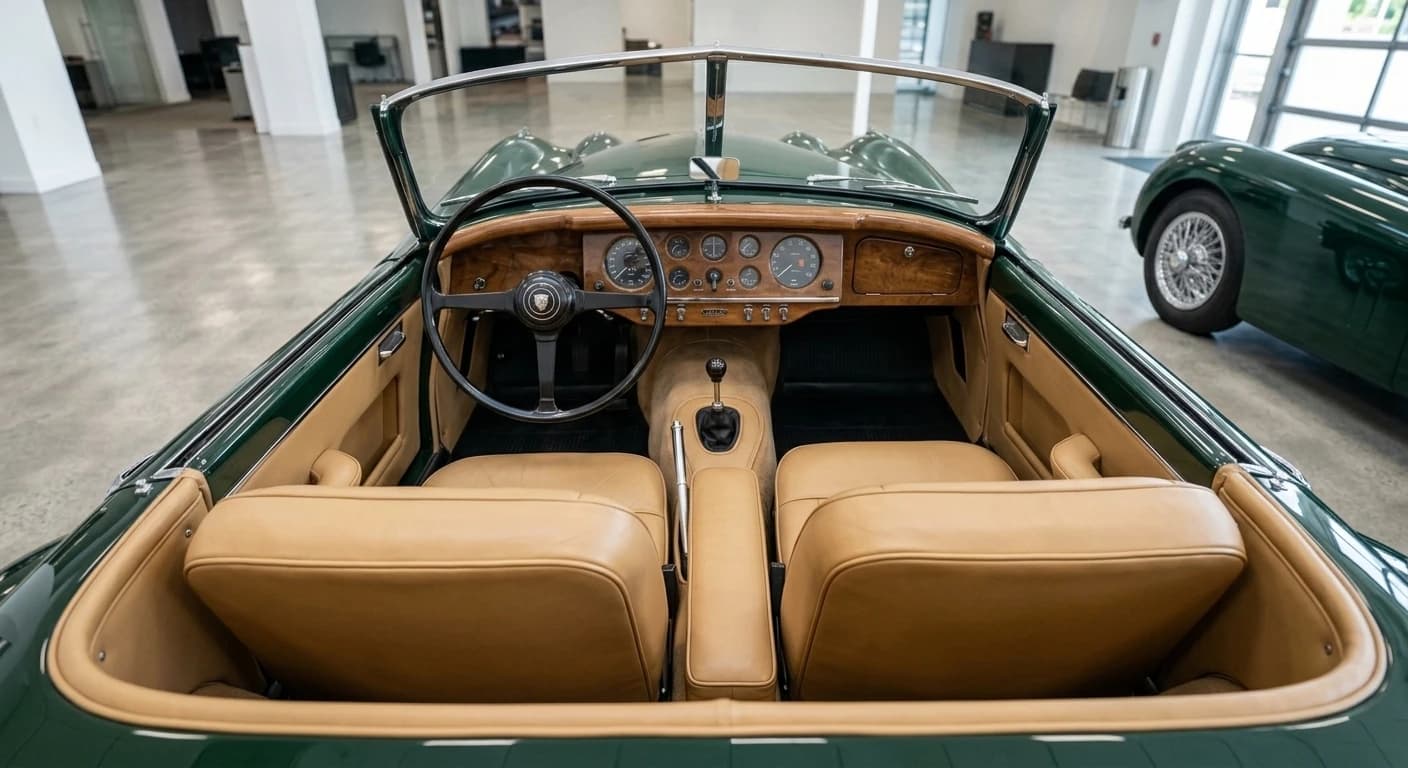
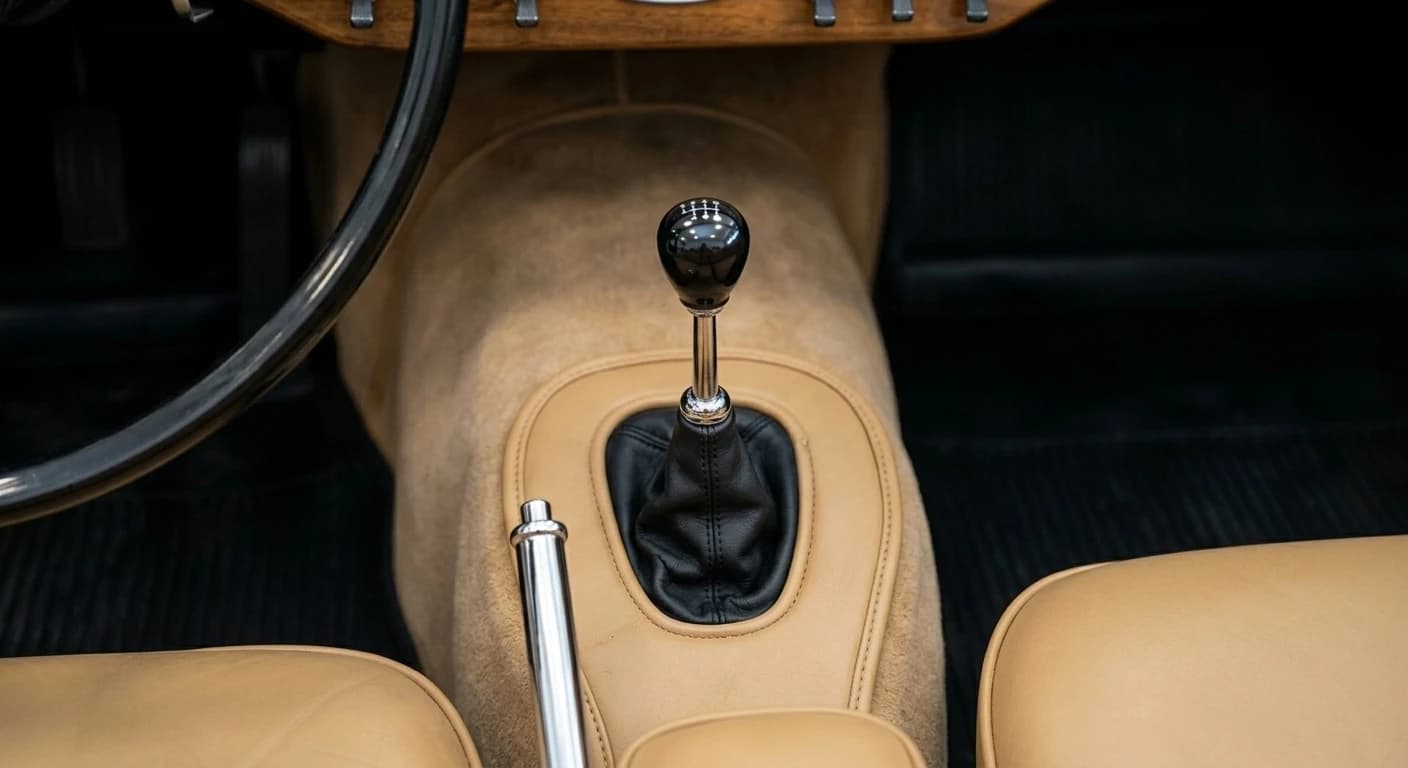
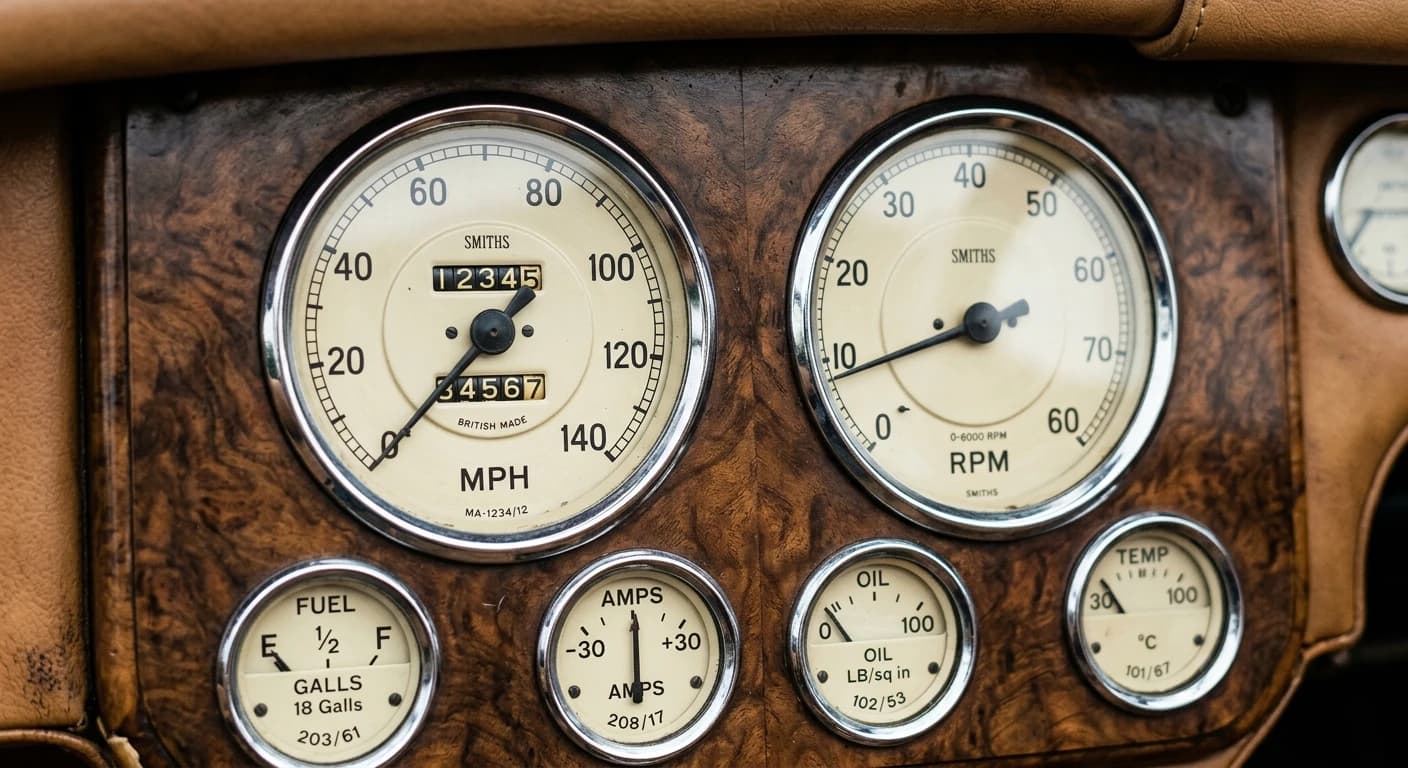
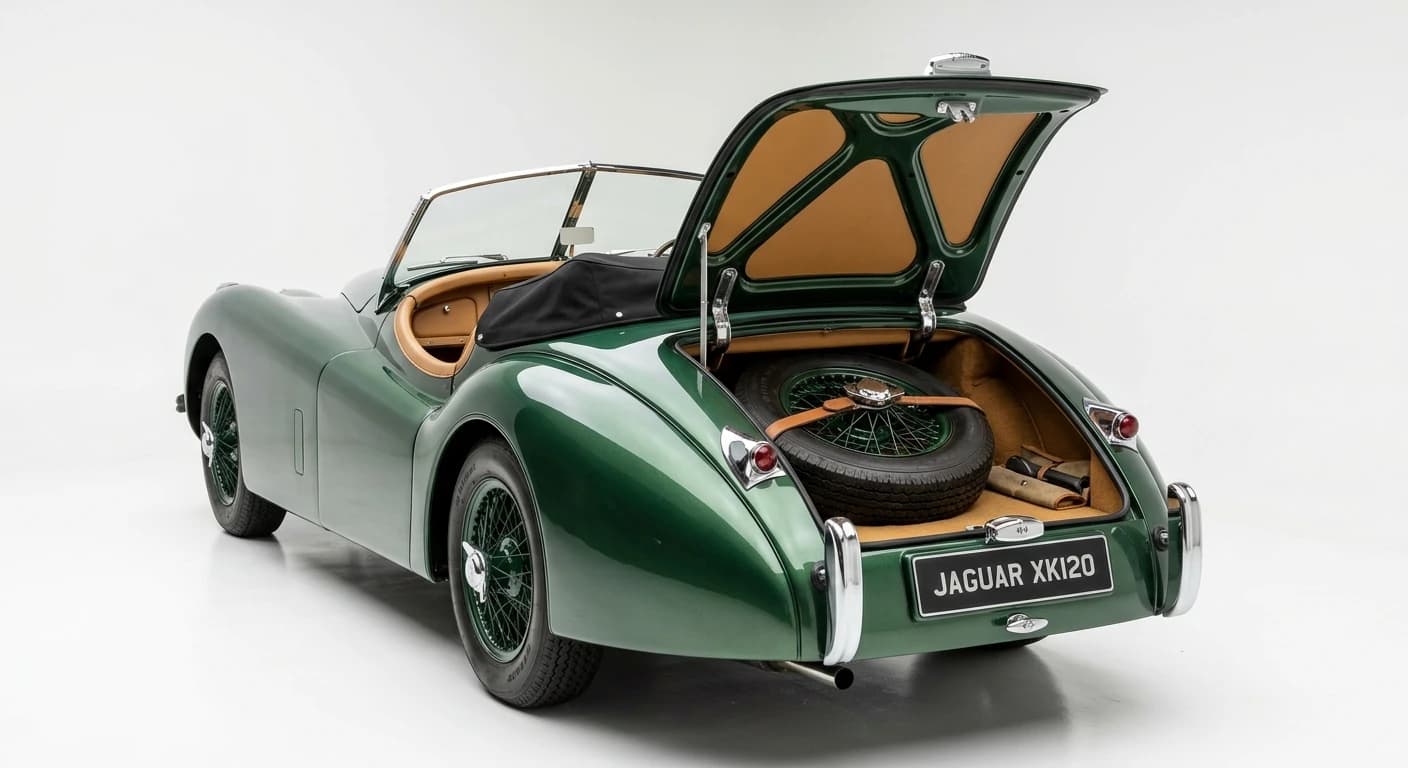
The XK120 was the world's fastest production car when launched in 1948, introducing the legendary twin-cam XK engine that would power Jaguars for nearly 40 years. It put Jaguar on the world stage and established the template for the British sports car.
History
The Jaguar XK120 was conceived as a short-run show car to demonstrate the new XK twin-cam engine at the 1948 London Motor Show, intended as a teaser before the engine appeared in a new saloon car. William Lyons designed the body over a shortened Mark V chassis in just a few weeks, creating one of the most beautiful cars the world had ever seen. The response was so overwhelming that Jaguar was forced to put it into full production, shifting from hand-formed aluminium bodies to steel pressings to meet demand.
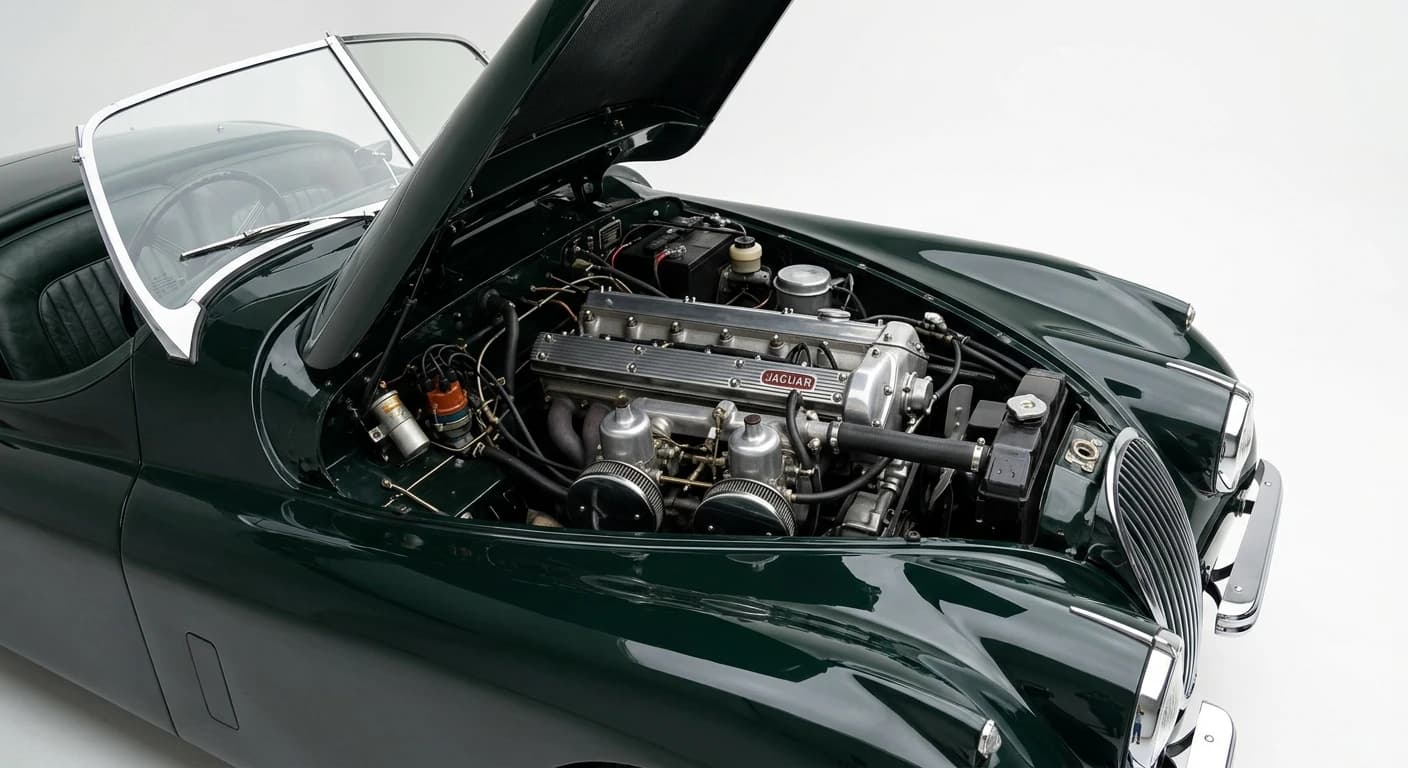
The twin-cam 3.4-litre XK engine was the work of William Heynes, Claude Baily, and Walter Hassan, designed during fire-watching duties in the Second World War. It produced 160 horsepower in standard form, a remarkable output for a production engine at the time, and its top speed of 120 mph (hence the name) made it the fastest standard production car in the world. The engine featured hemispherical combustion chambers, twin SU carburettors, and a chain-driven double overhead camshaft layout that would become the gold standard for sports car engines.
The XK120 was spectacularly successful in competition. It won its class at Le Mans, dominated production car races worldwide, and set numerous speed records. A modified XK120 achieved 172 mph on the Jabbeke highway in Belgium in 1953. Rally drivers Ian Appleyard and Stirling Moss used XK120s to great effect, and the car became the machine of choice for amateur racers across Europe and America. The model established the template for the XK140 and XK150 that followed.
As the car that launched Jaguar's sporting legend, the XK120 is a cornerstone of any significant car collection. Early aluminium-bodied cars are exceptionally rare and command substantial premiums, while even steel-bodied examples in excellent condition are highly valued. The model is popular in historic motorsport, with dedicated racing series at major events worldwide. Its combination of beauty, performance, and historical importance ensures enduring collector interest.
Timeline
Production & Heritage
Value estimates are editorial assessments based on recent auction results and market trends.
Technical Specifications
Engine Details
Performance
Dimensions
Chassis & Suspension
Capacity
Source: Jaguar / Wikipedia
Tags
Designed by William Lyons
From the 1940s
Featured in Collections
References & Sources
More in Sports
See all
356 Pre-A
356 Speedster
XKSS
