
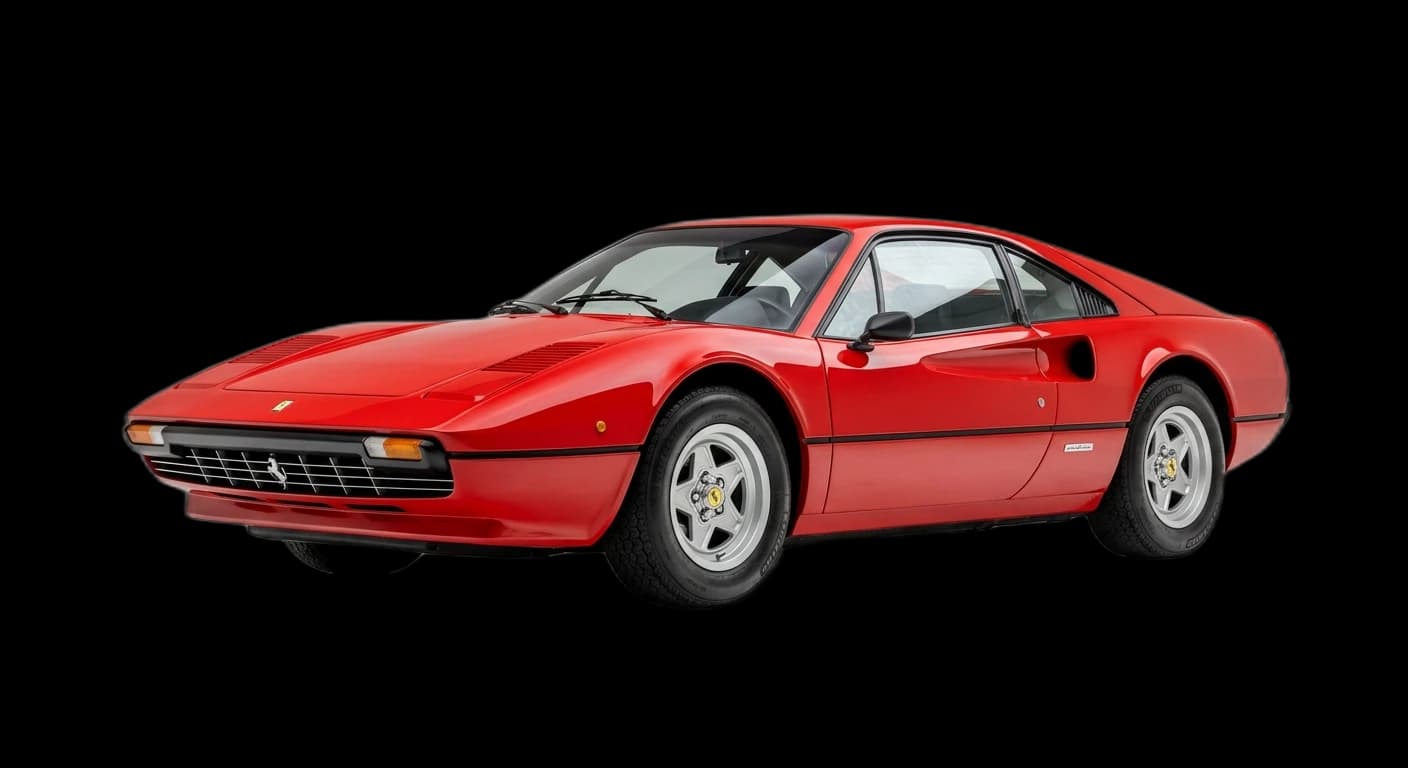
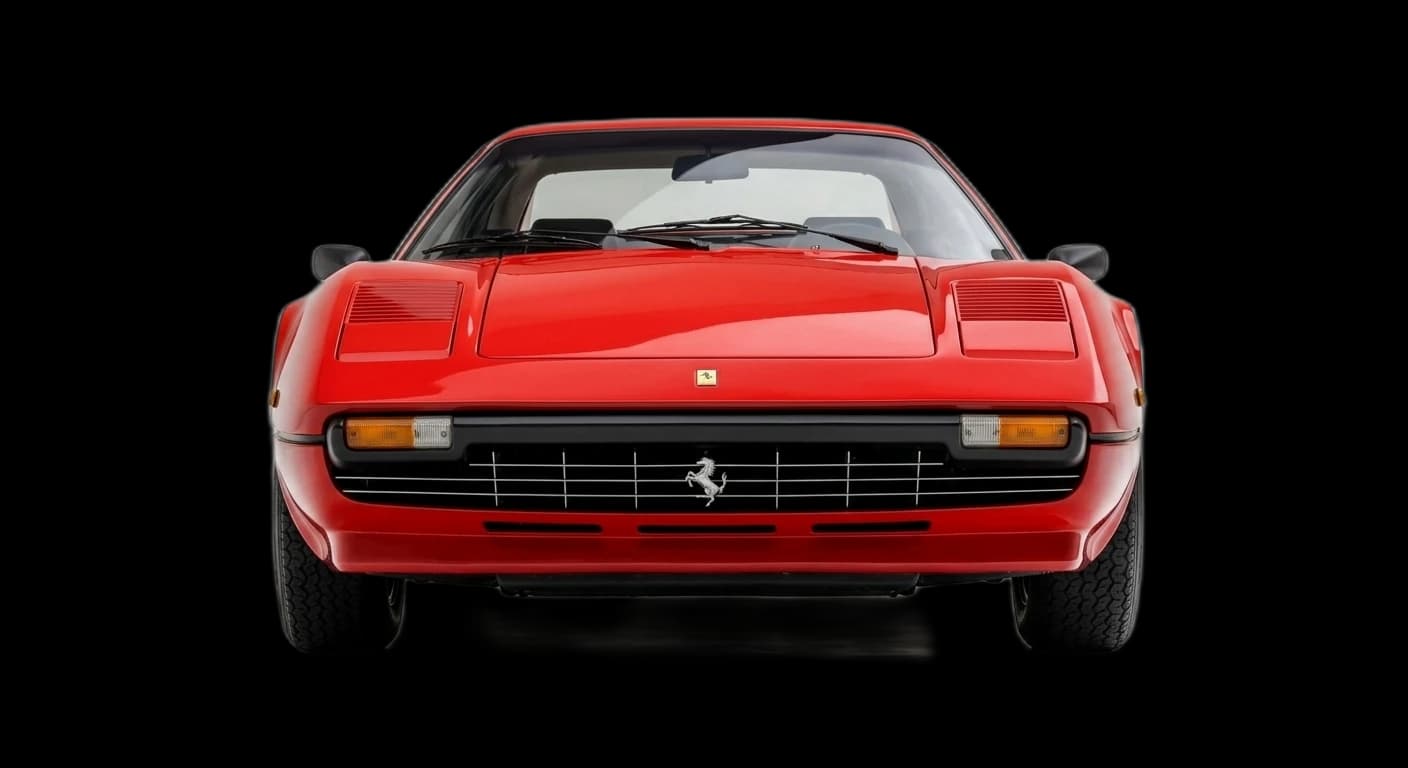
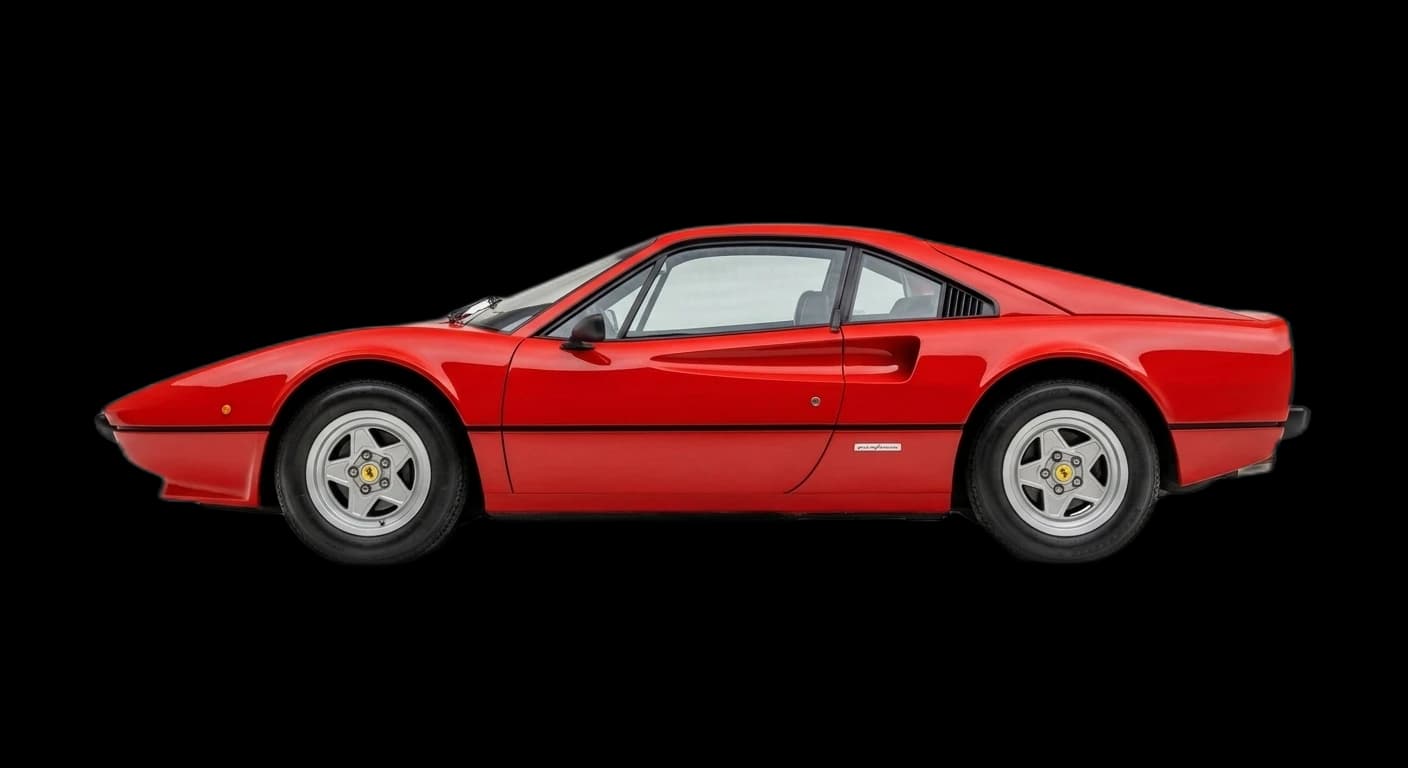
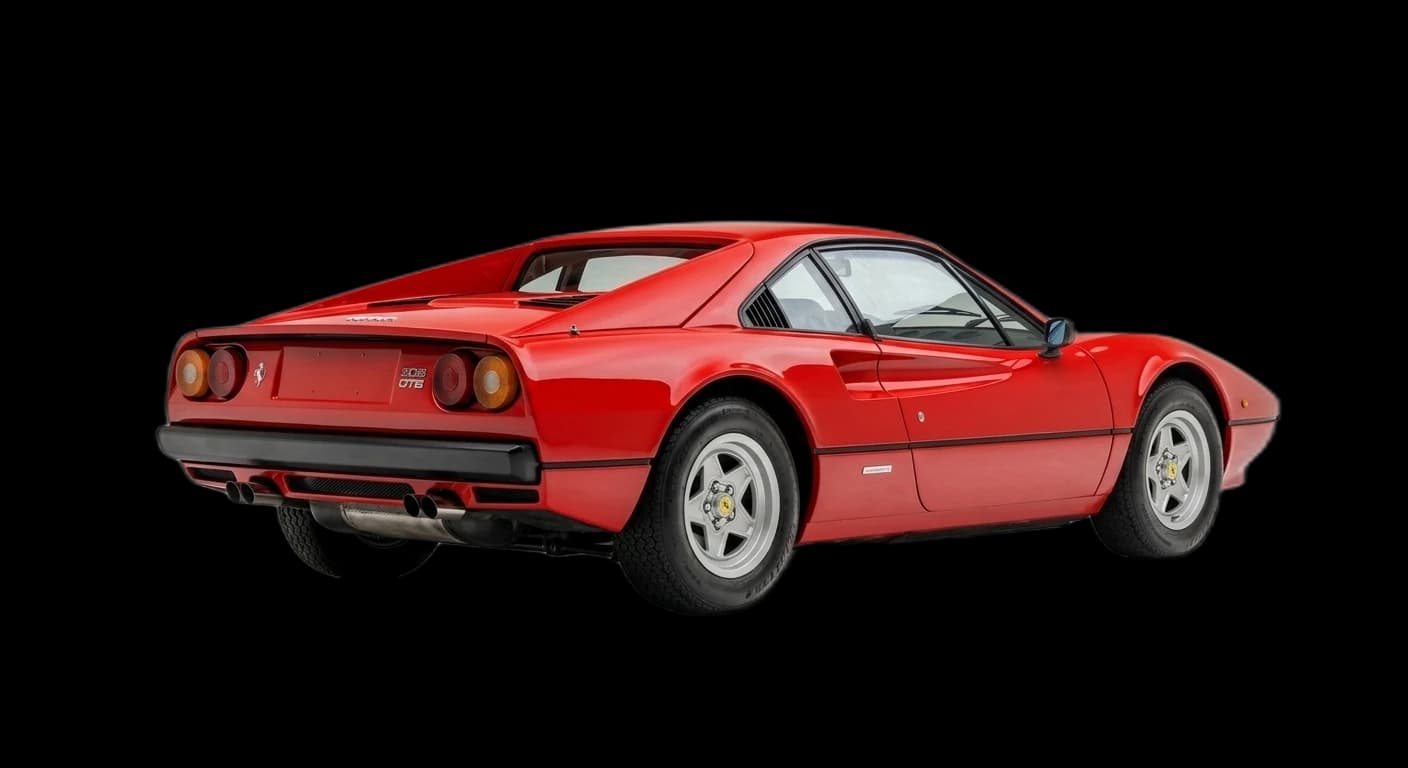
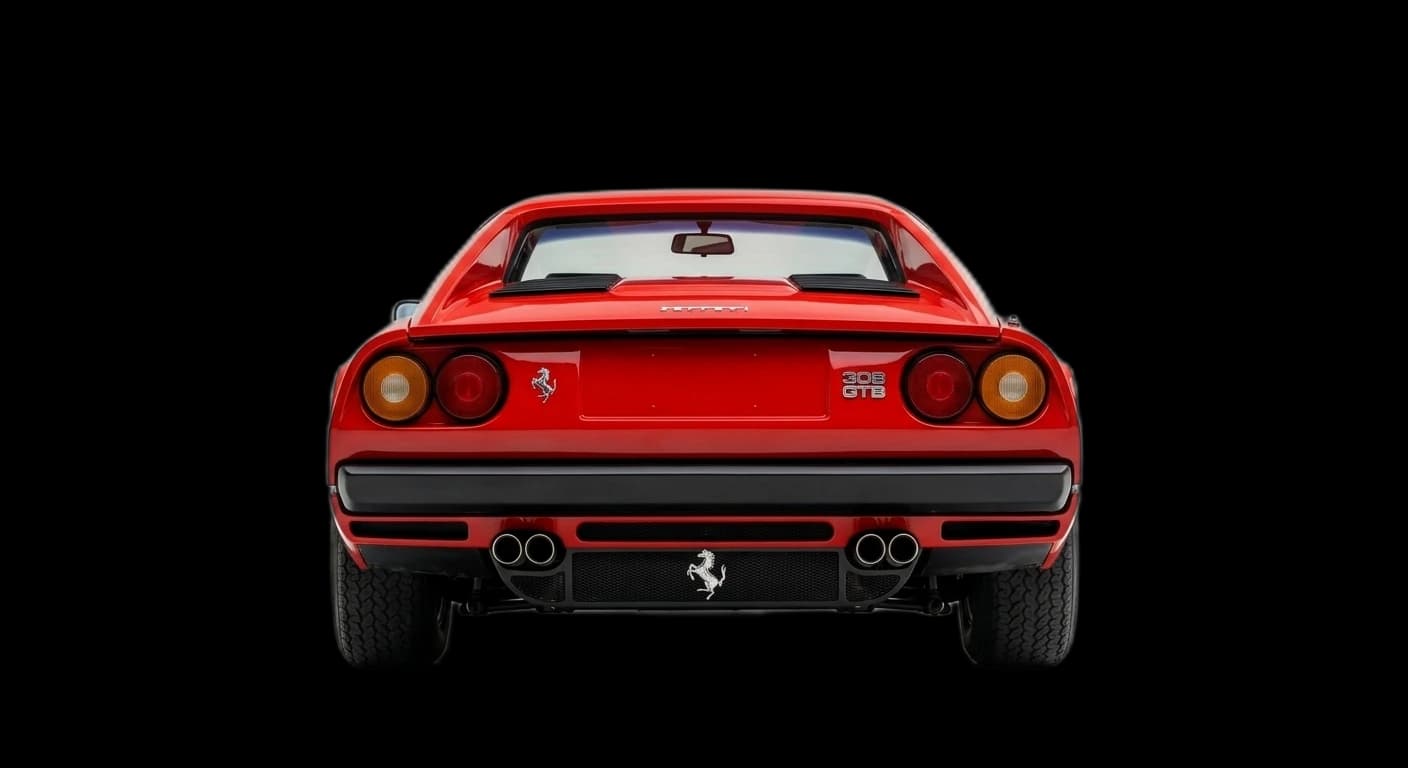
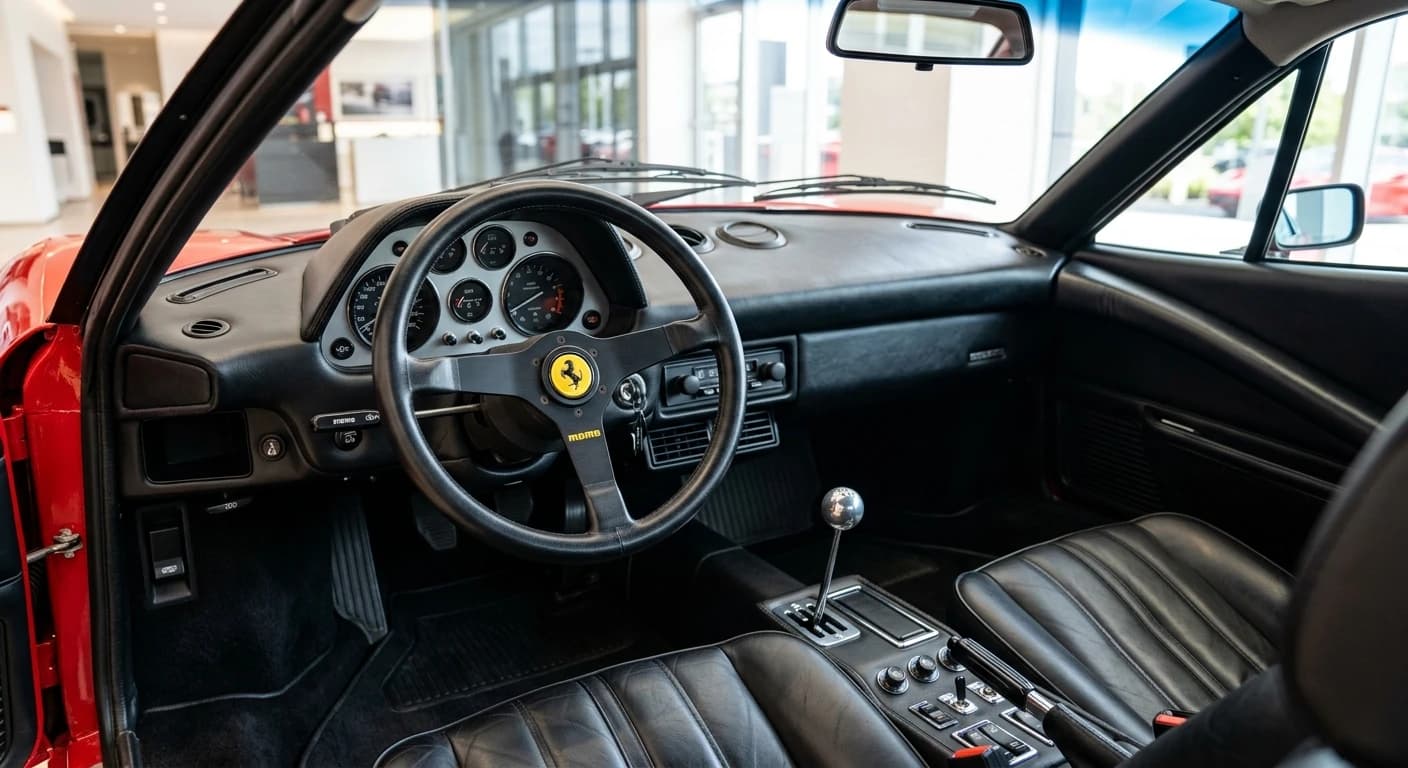
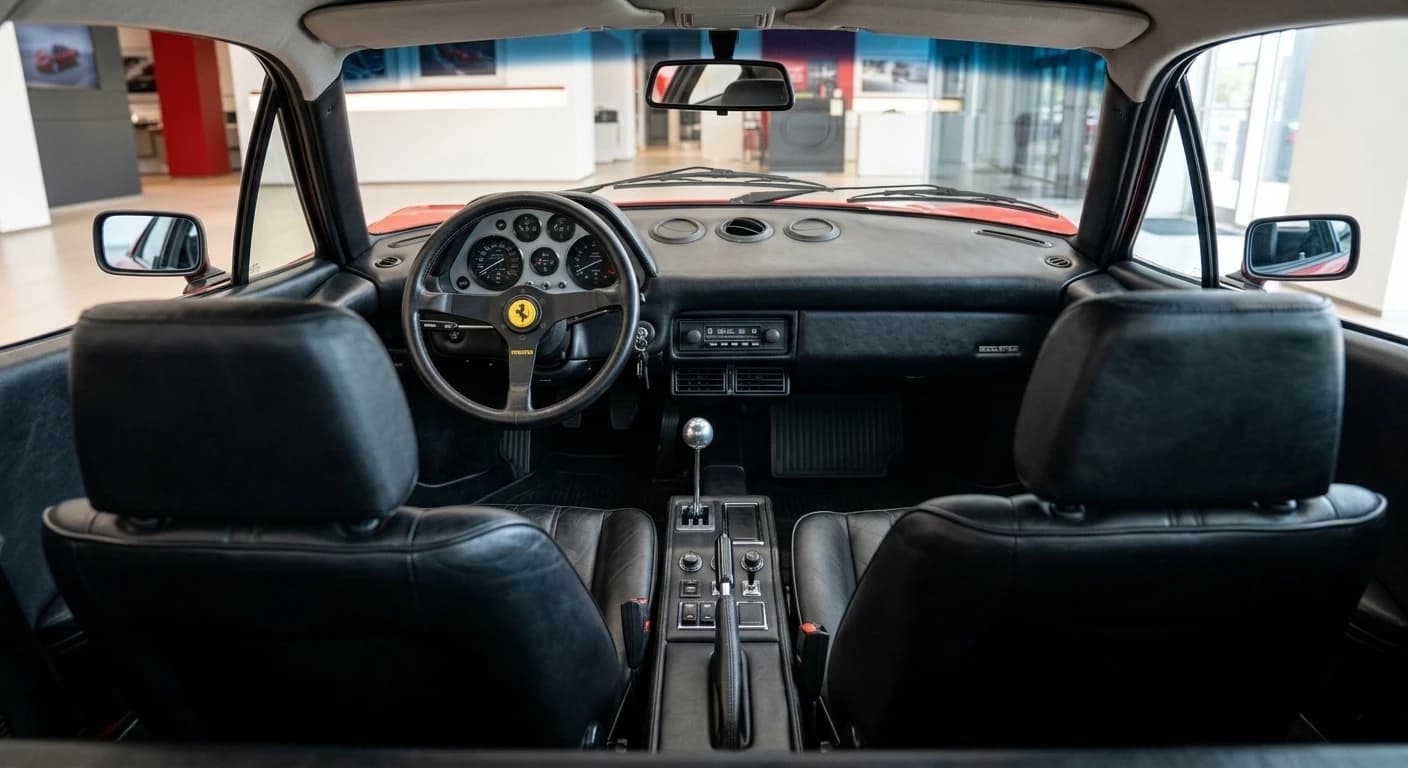
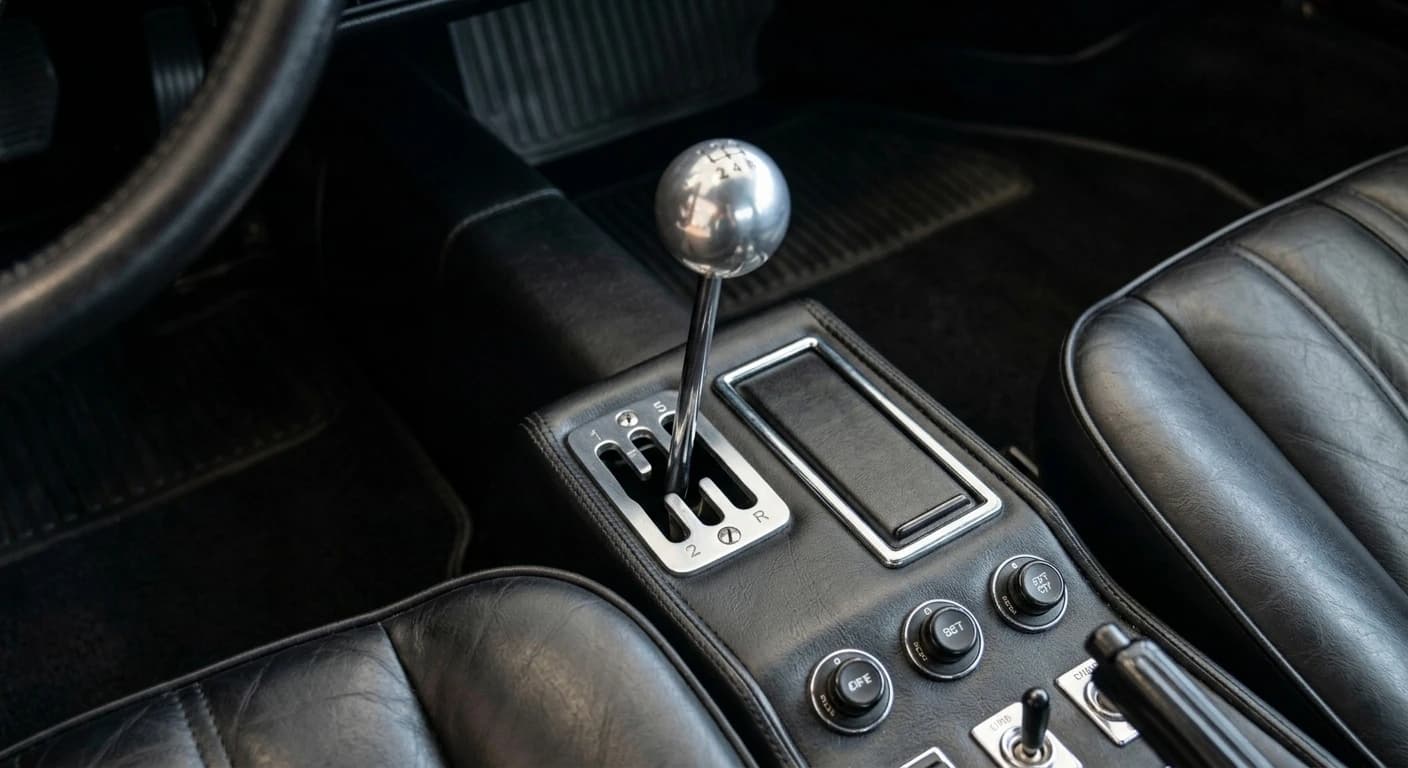
The 308 GTB democratized Ferrari ownership, bringing the prancing horse to a broader audience while establishing the mid-engined V8 formula that would define the marque for decades. Its Pininfarina design became one of the most iconic shapes in automotive history, further popularized by the television series Magnum, P.I.
History
The Ferrari 308 GTB debuted at the 1975 Paris Motor Show as the successor to the Dino 246 GT, marking Ferrari's commitment to the mid-engined V8 layout that would become the backbone of its production car range. Unlike the Dino, which was badged without the Ferrari name, the 308 wore the prancing horse proudly, featuring a 2.9-liter DOHC V8 producing approximately 255 horsepower. The first examples featured fiberglass bodywork, a rarity for Ferrari, before production switched to traditional steel construction in 1977.
Pininfarina's Leonardo Fioravanti penned the 308's shape, creating a design of remarkable balance and visual tension. The car's wedge profile, pop-up headlights, and flying buttress rear pillars established a design language that Ferrari would iterate upon for the next two decades. The targa-roofed GTS variant followed shortly after, and it was this version that gained worldwide fame through Tom Selleck's portrayal of Thomas Magnum in the television series Magnum, P.I., which ran from 1980 to 1988.
Mechanically, the 308 evolved significantly during its decade-long production run. The introduction of Bosch K-Jetronic fuel injection in 1980 (creating the 308 GTBi) reduced power but improved emissions compliance, while the 1982 introduction of four-valve heads (the 308 QV, or Quattrovalvole) restored performance to the original carbureted car's level. Throughout these changes, the car's essential character remained intact: a communicative chassis, a sonorous V8 engine, and a driving experience that rewarded skilled inputs.
The 308 GTB and its variants were produced in much larger numbers than any previous Ferrari, with over 12,000 examples built across all versions. This accessibility helped transform Ferrari from a niche racing-oriented manufacturer into a global luxury brand. The 308 also established the commercial template that Ferrari follows to this day: a mid-engined V8 sports car as the volume seller, supported by more exclusive V12 models above it. For many enthusiasts, the carbureted fiberglass-bodied 308 GTB remains the purest expression of the breed.
Timeline
Production & Heritage
Value estimates are editorial assessments based on recent auction results and market trends.
Technical Specifications
Engine Details
Performance
Dimensions
Chassis & Suspension
Capacity
Source: Ferrari / Wikipedia
Tags
Designed by Pininfarina
From the 1970s
Featured in Collections
References & Sources
More in Sports
See all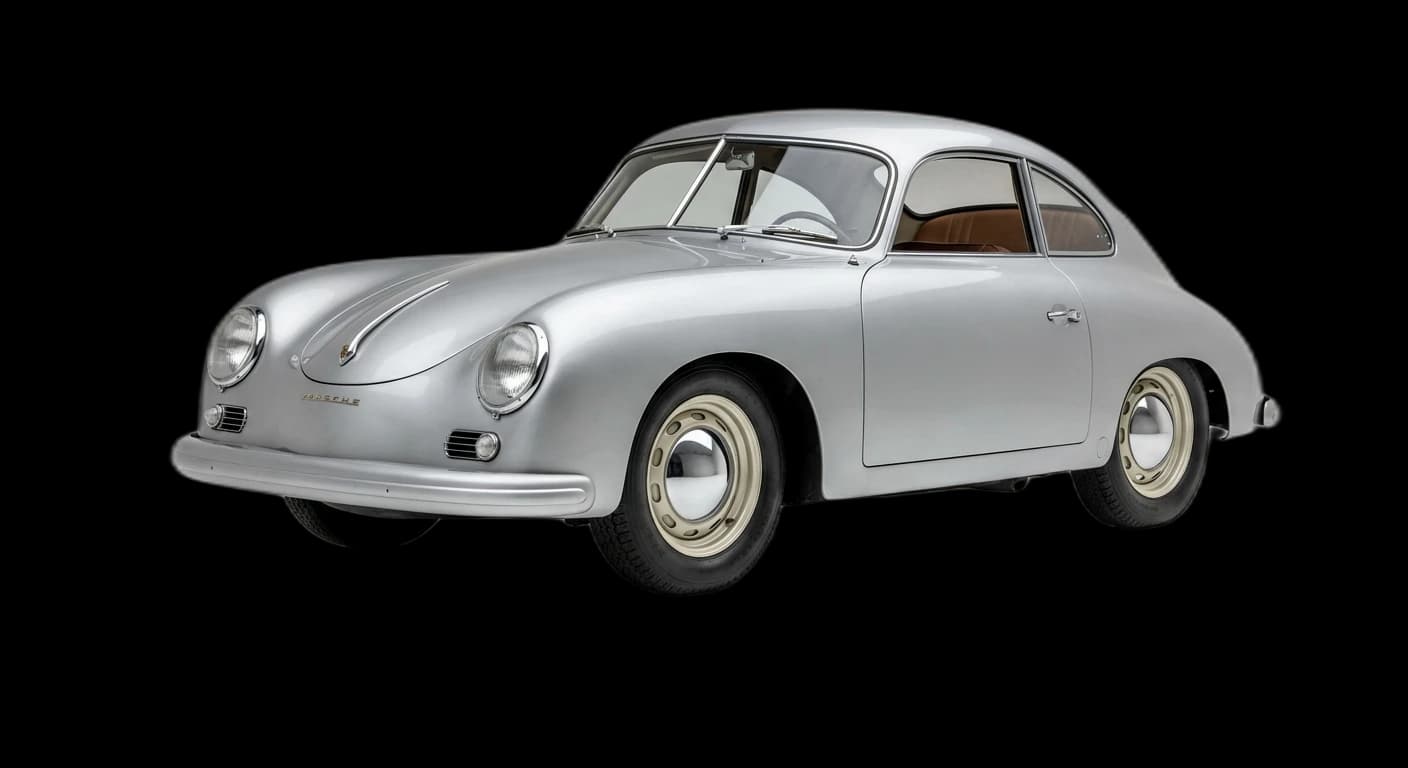
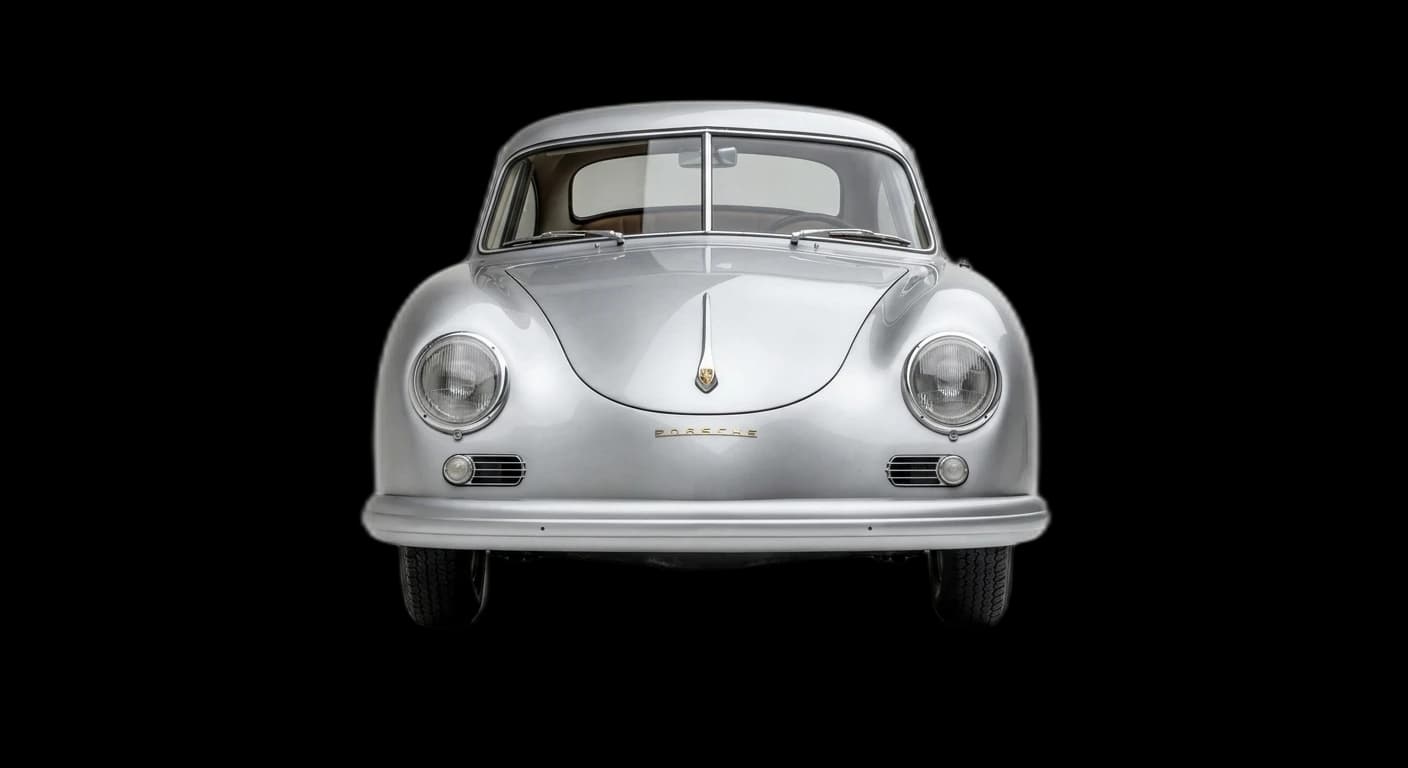
356 Pre-A
356 Speedster
XK120
