
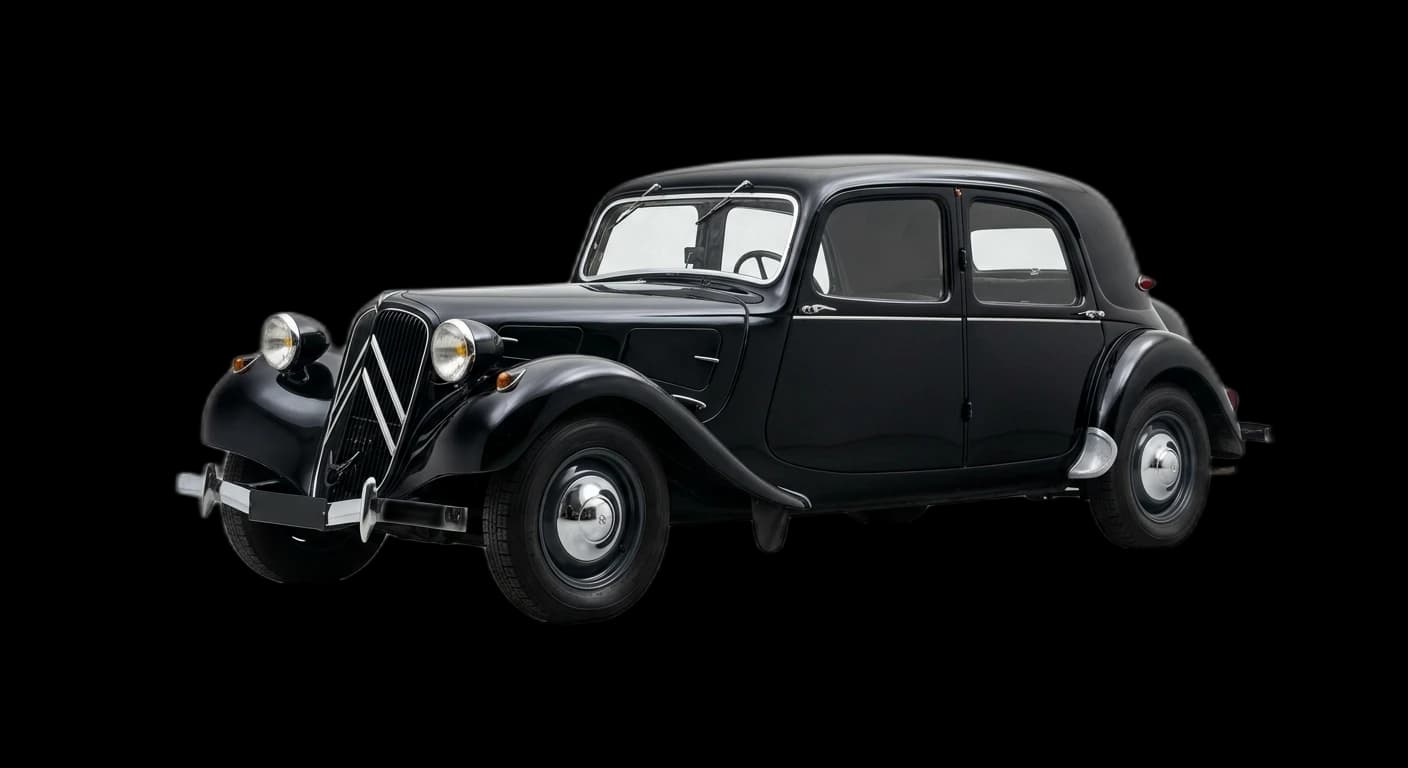
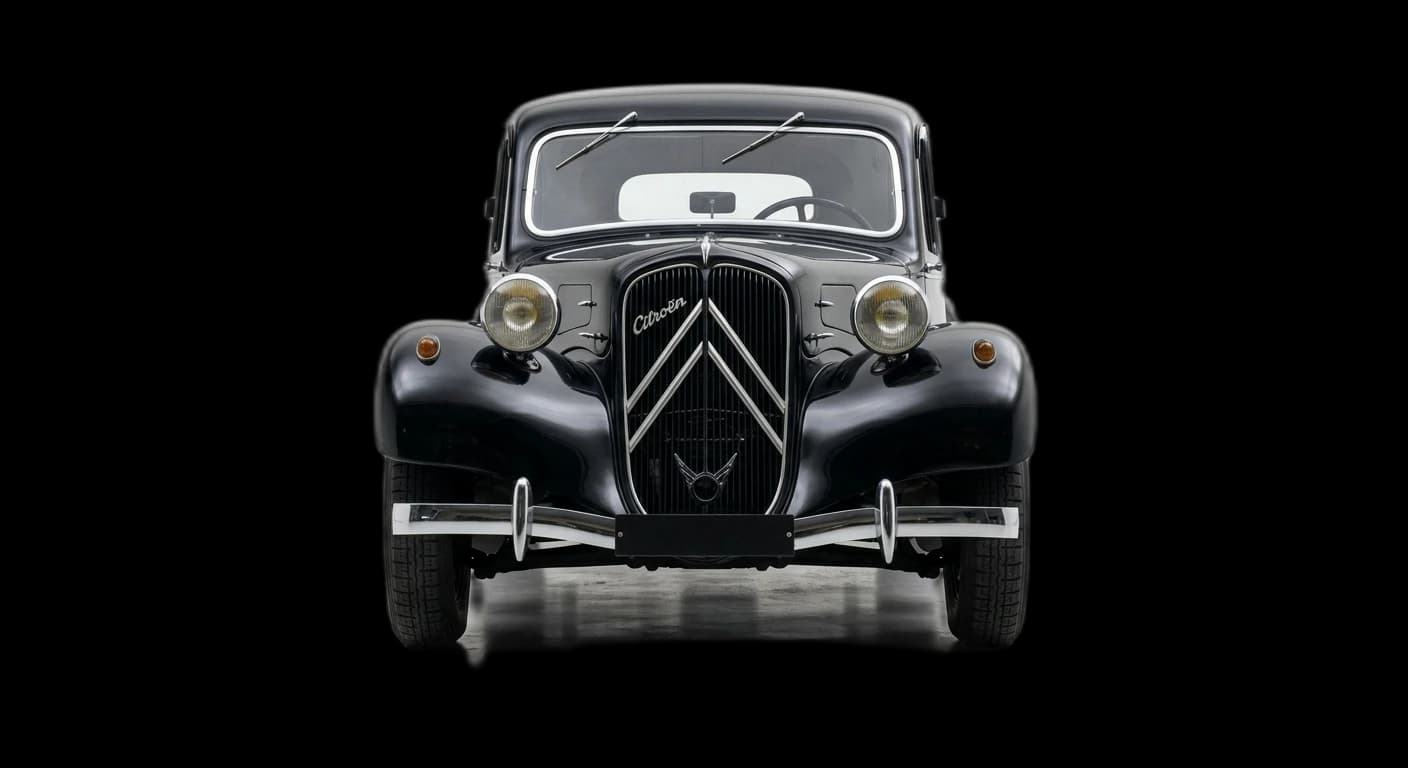
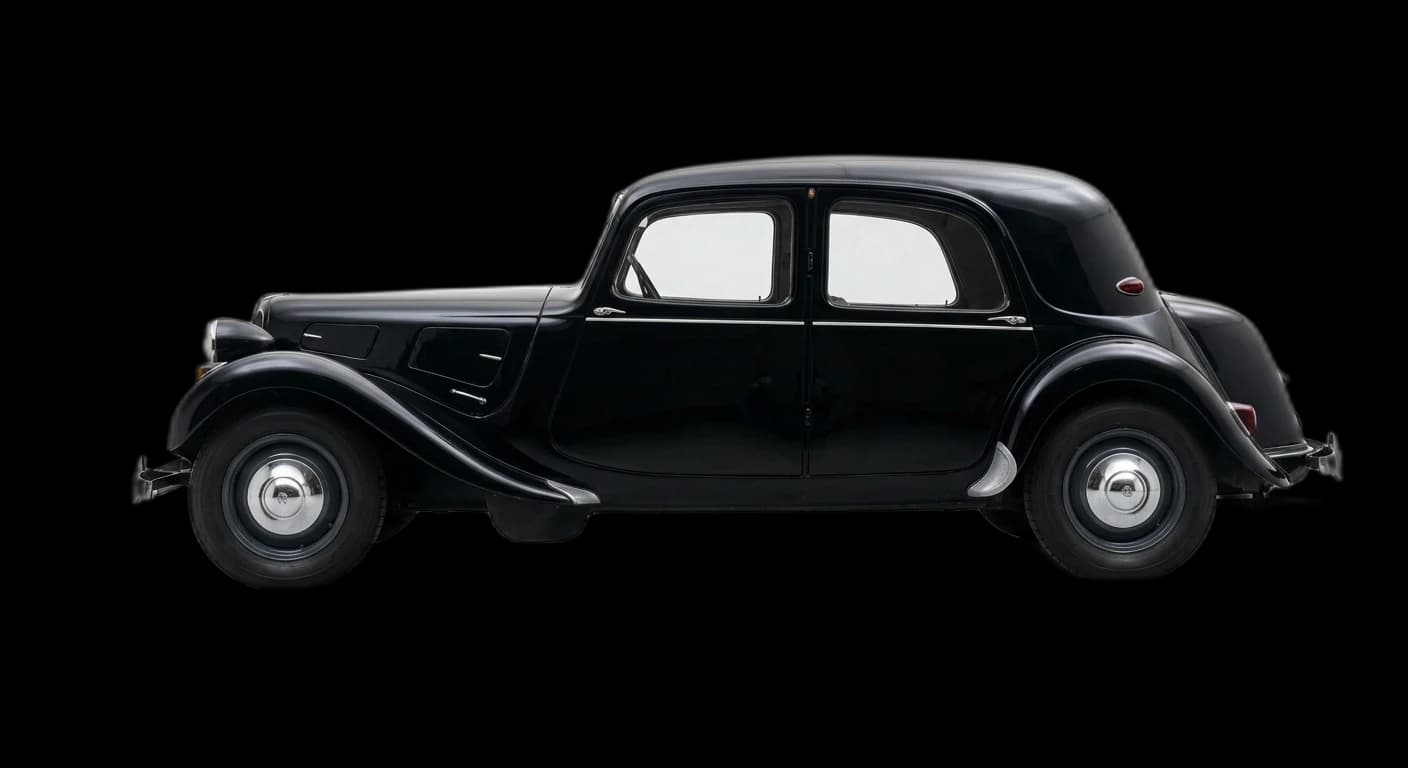
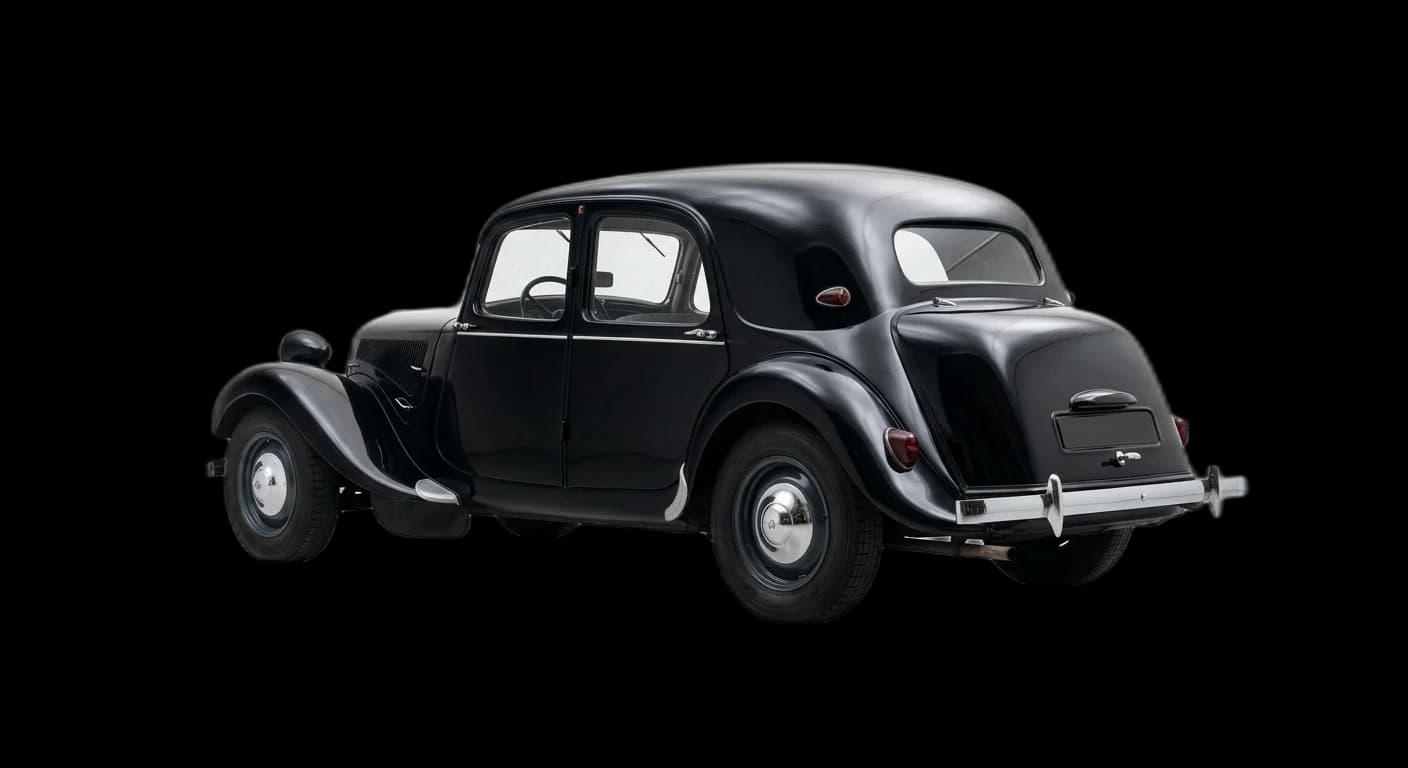
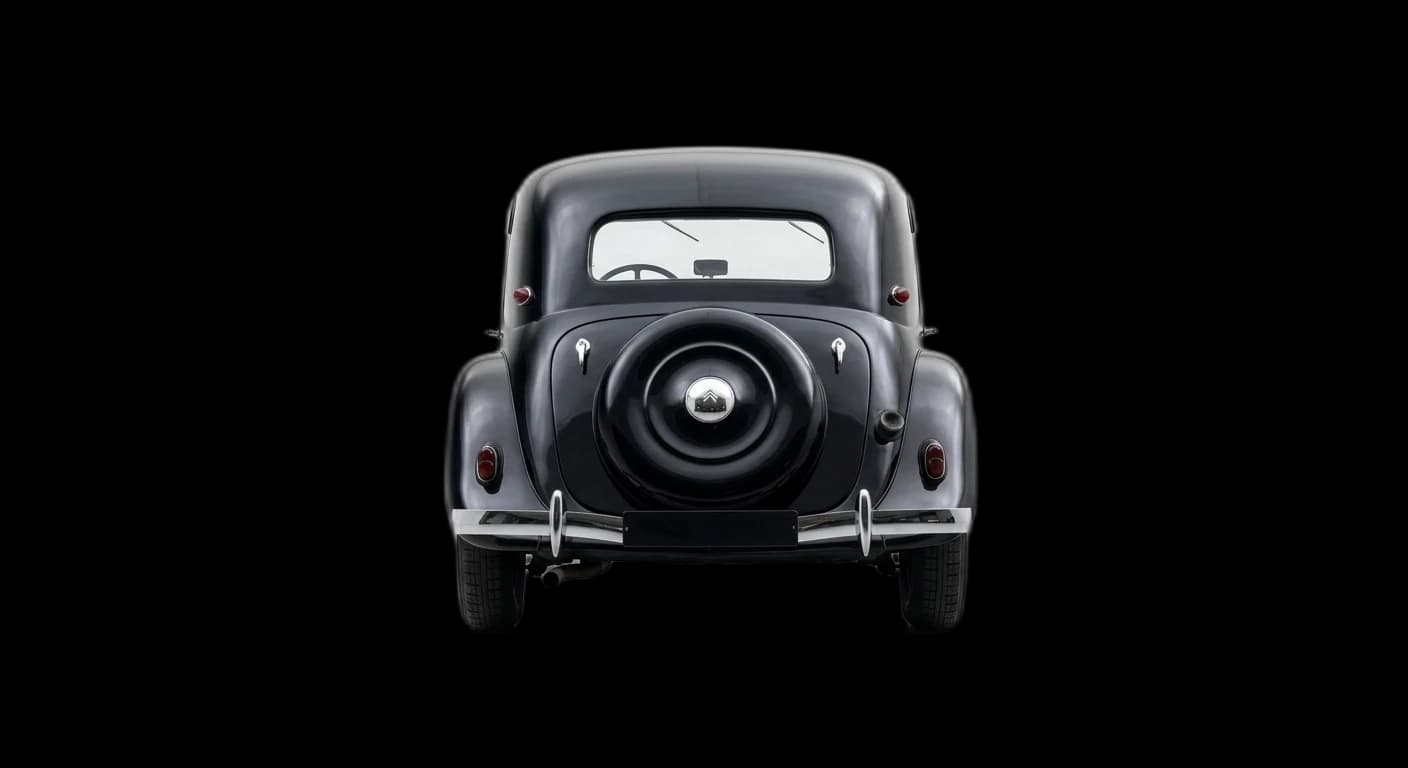
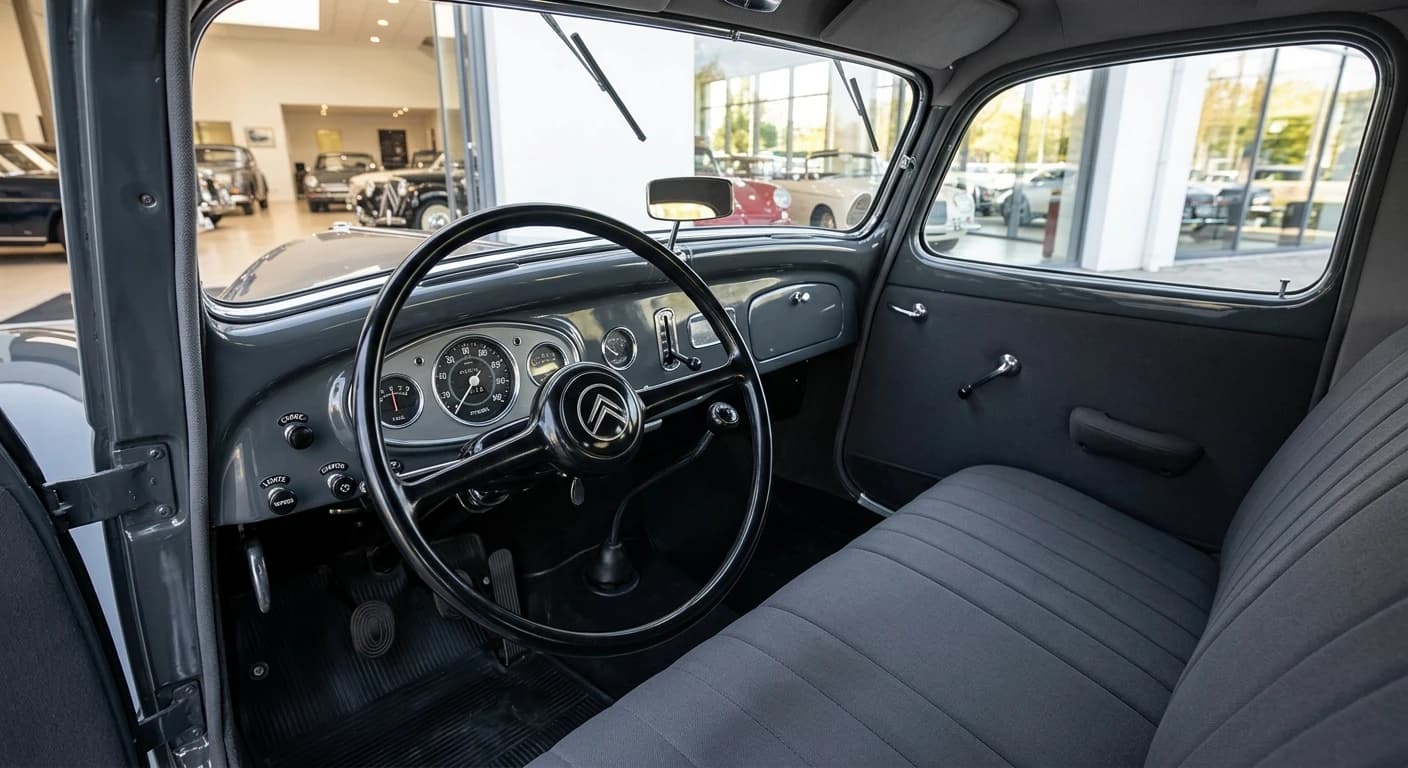
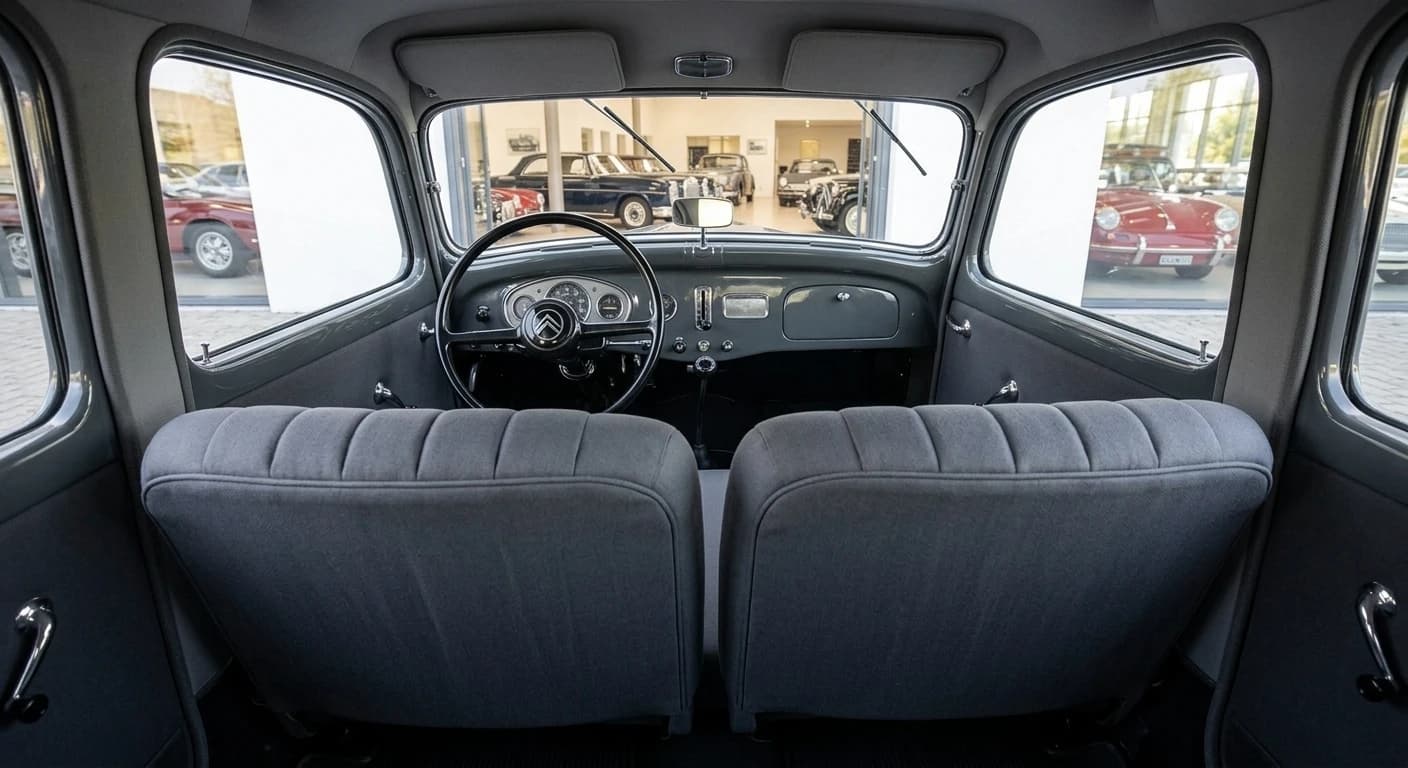
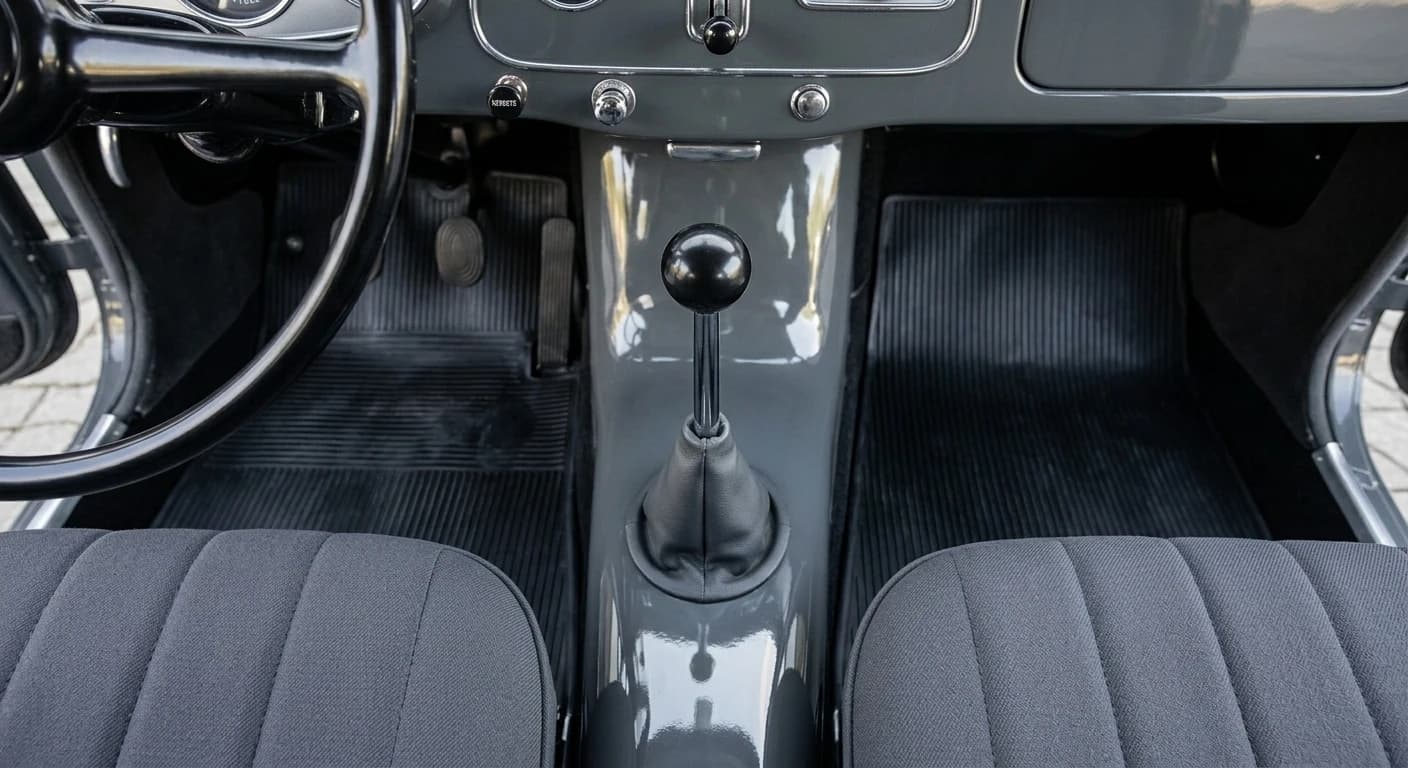
The Citroen Traction Avant was the world's first mass-produced front-wheel-drive monocoque car, introducing technologies that would become industry standards within decades. It revolutionized automotive engineering and established Citroen's reputation as the most technically innovative car manufacturer in the world.
History
The Citroen Traction Avant (literally 'front-wheel drive') was conceived by Andre Citroen as the car that would leapfrog every competitor and establish Citroen as the technological leader of the automotive world. Developed in secret from 1933, the car was engineered by Andre Lefevre with bodywork designed by Flaminio Bertoni, who reportedly sculpted the car's shape freehand in a single night. Andre Citroen poured the company's resources into the project, and the resulting car, launched in April 1934, was so advanced that its development costs bankrupted the company, forcing Citroen into receivership and eventual takeover by Michelin.
The Traction Avant was revolutionary on multiple fronts. It was the first mass-produced car to combine front-wheel drive with a unitary (monocoque) body construction, eliminating the separate chassis that all competitors used. This gave it a lower center of gravity, more interior space for its footprint, and significantly better handling than any contemporary rival. The car also featured independent front suspension by torsion bars, hydraulic brakes on all four wheels, and rack-and-pinion steering, all technologies that were either new or extremely rare in 1934. The result was a car that handled and rode in a manner that would not be matched by most competitors for twenty years.
The Traction Avant was produced in several body styles, including four-door saloons in various wheelbase lengths, a cabriolet, a coupe, and a commerciale (estate). Engine options ranged from a 1.3-liter four-cylinder to a 2.9-liter inline-six in the rare and desirable 15-Six variant, which added hydraulic rear suspension. The car proved enormously successful commercially, becoming the default choice of the French police, taxi drivers, and the Resistance during World War II. Its association with both law enforcement and the underworld in French cinema (it was the preferred car of screen gangsters) gave it an enduring cultural presence.
Production of the Traction Avant continued until 1957, an extraordinary 23-year production run during which over 759,000 units were built. By the time it was replaced by the equally revolutionary DS, the Traction Avant had become an institution in French life. Today, it is one of the most popular and accessible pre-war car designs for collectors, with a large and active enthusiast community providing excellent parts and knowledge support. The 15-Six, with its smooth six-cylinder engine and more luxurious specification, commands the highest prices, while four-cylinder cars in good condition offer an affordable entry to classic Citroen ownership. The Traction Avant's legacy as one of the most influential cars ever designed is secure.
Timeline
Production & Heritage
Value estimates are editorial assessments based on recent auction results and market trends.
Technical Specifications
Engine Details
Performance
Dimensions
Chassis & Suspension
Capacity
Source: Citroen / Wikipedia
Tags
Designed by Flaminio Bertoni
From the 1930s
Featured in Collections
References & Sources
More in Sedan
See all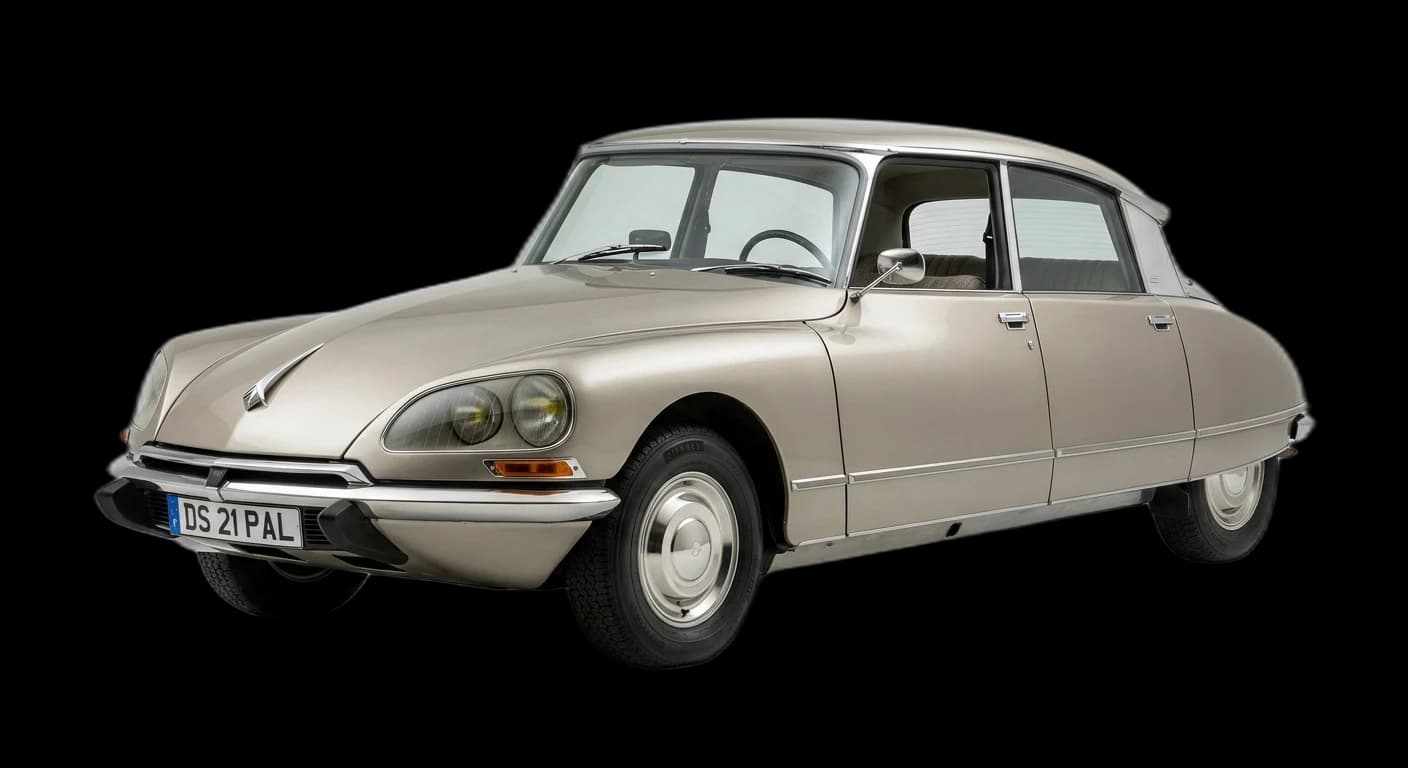
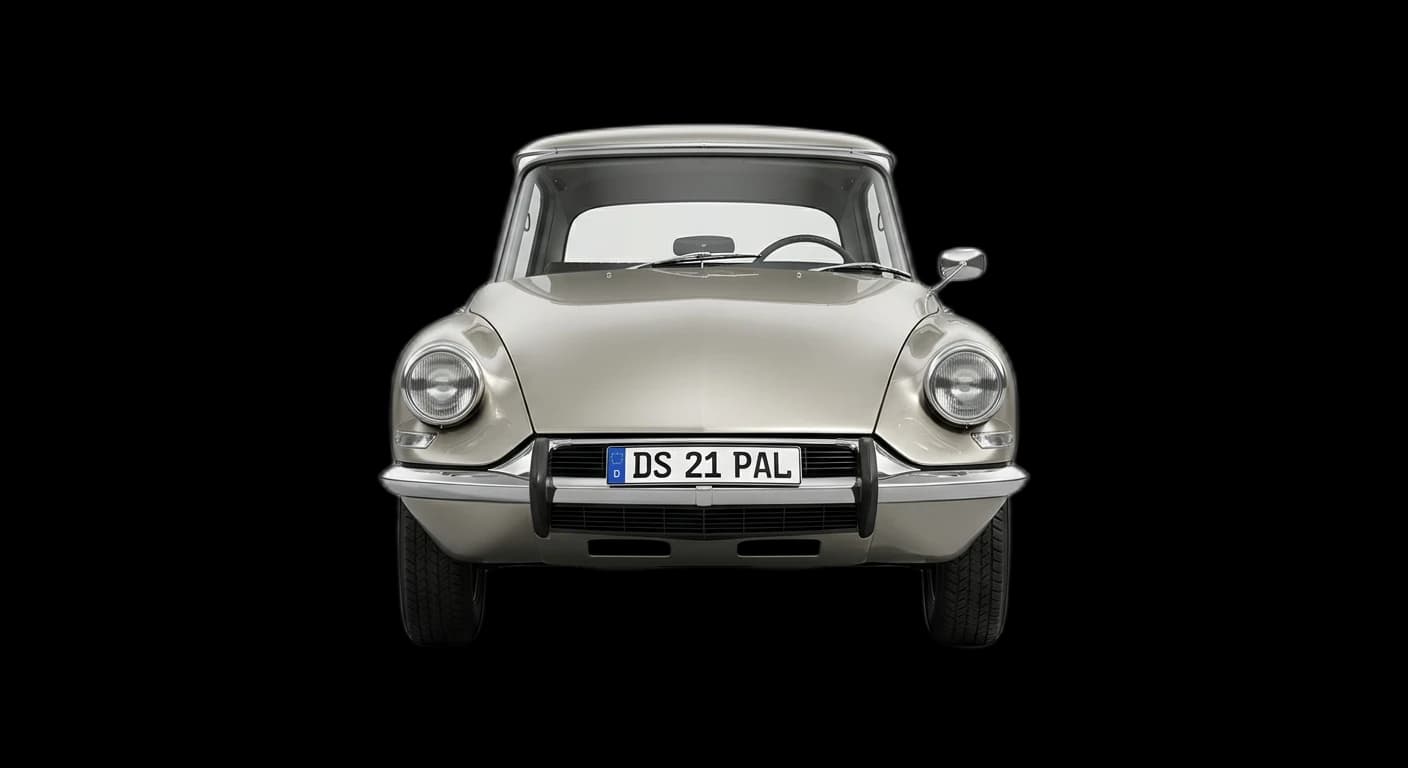
DS 21 Pallas

100 (C1)
