
A112 Abarth

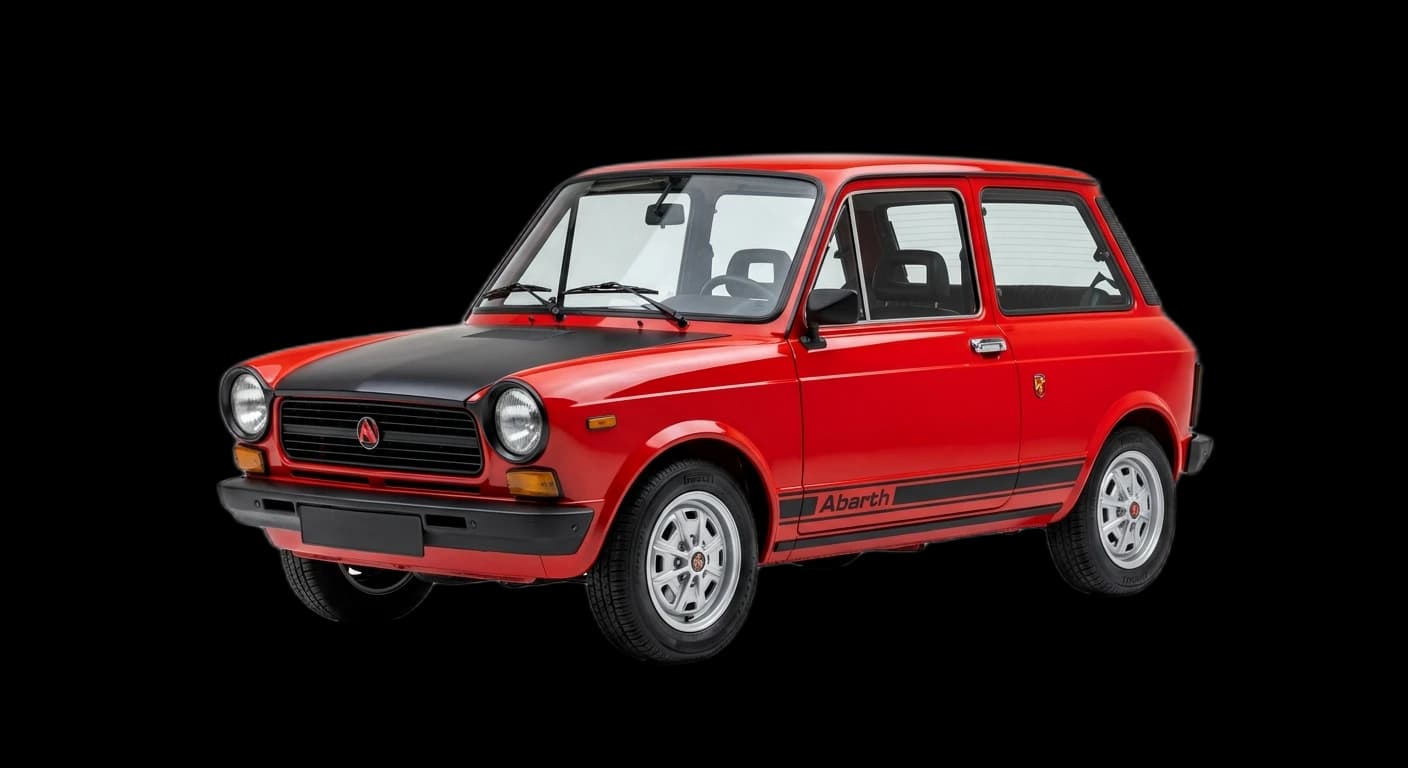
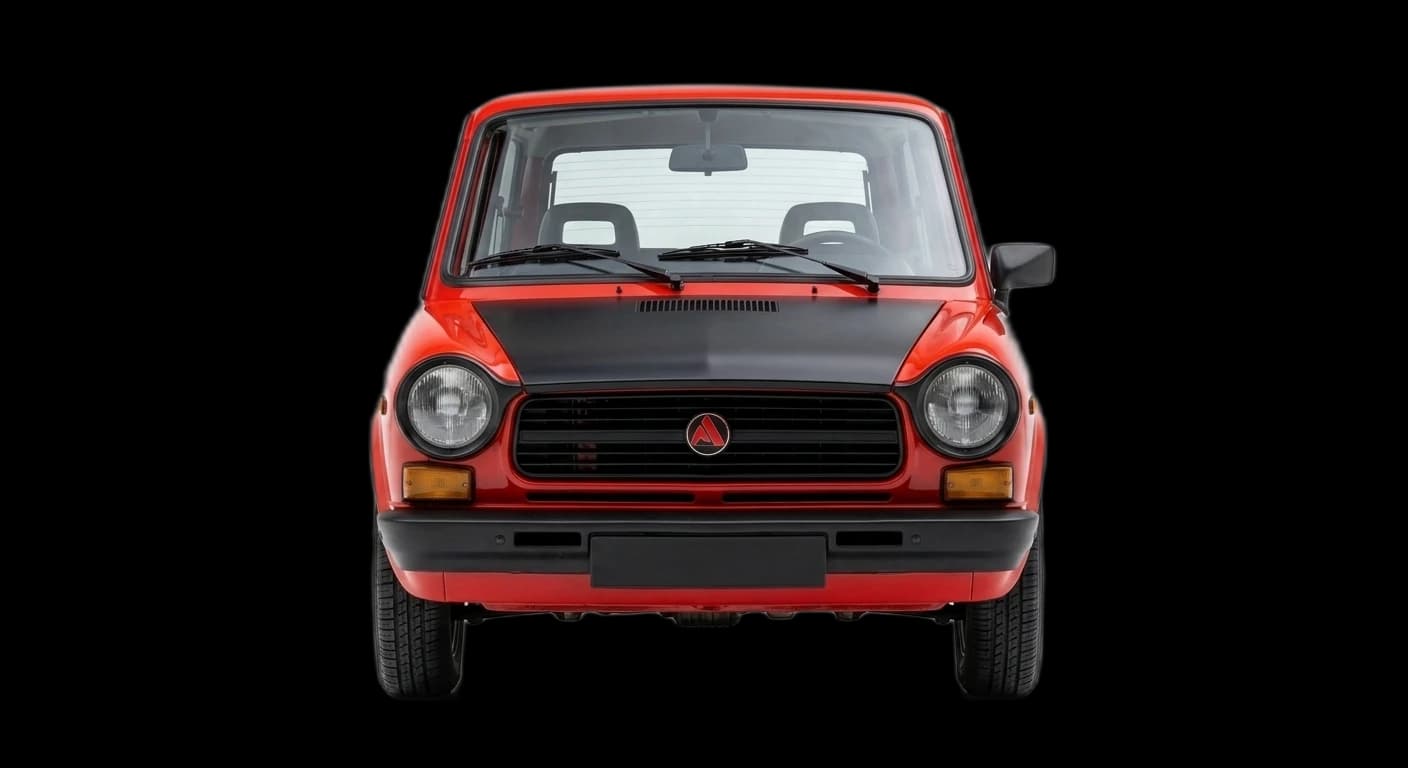
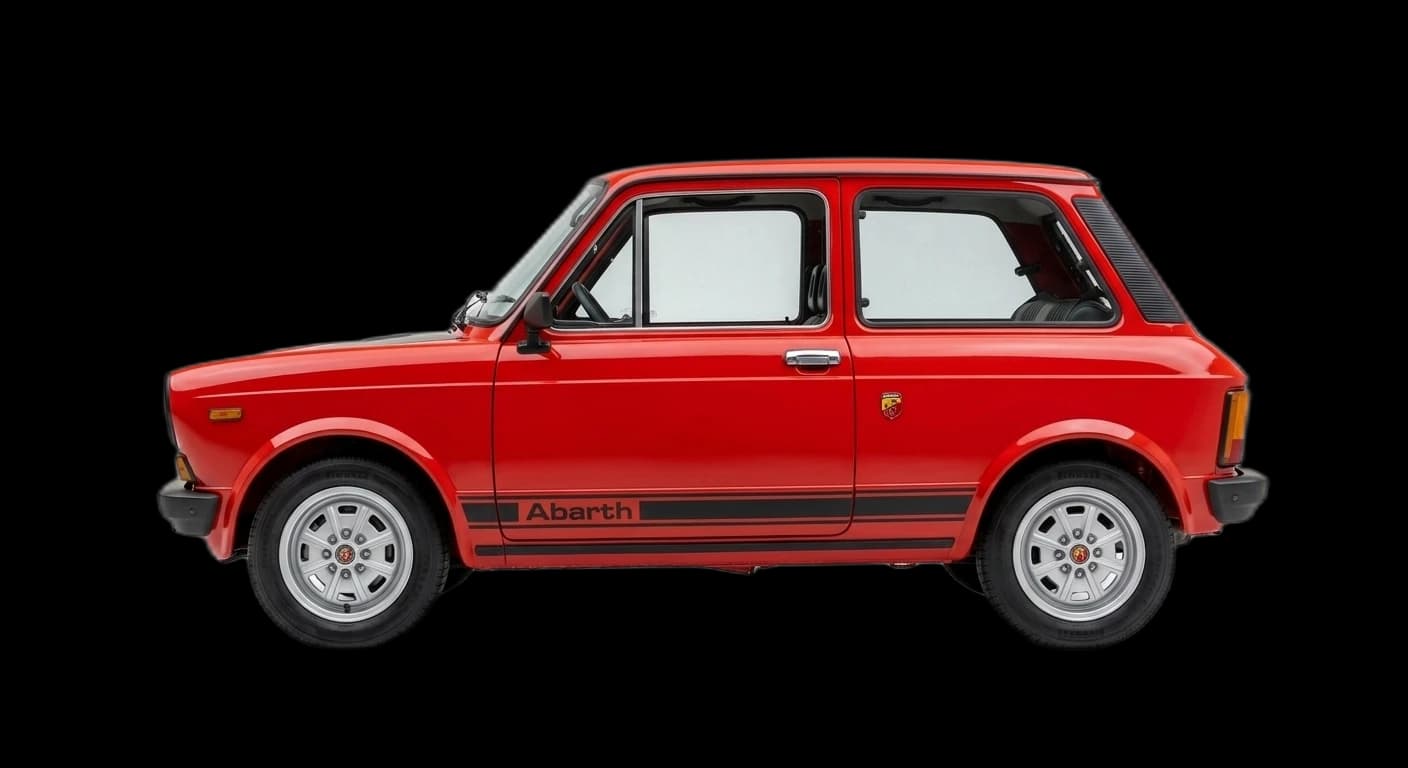
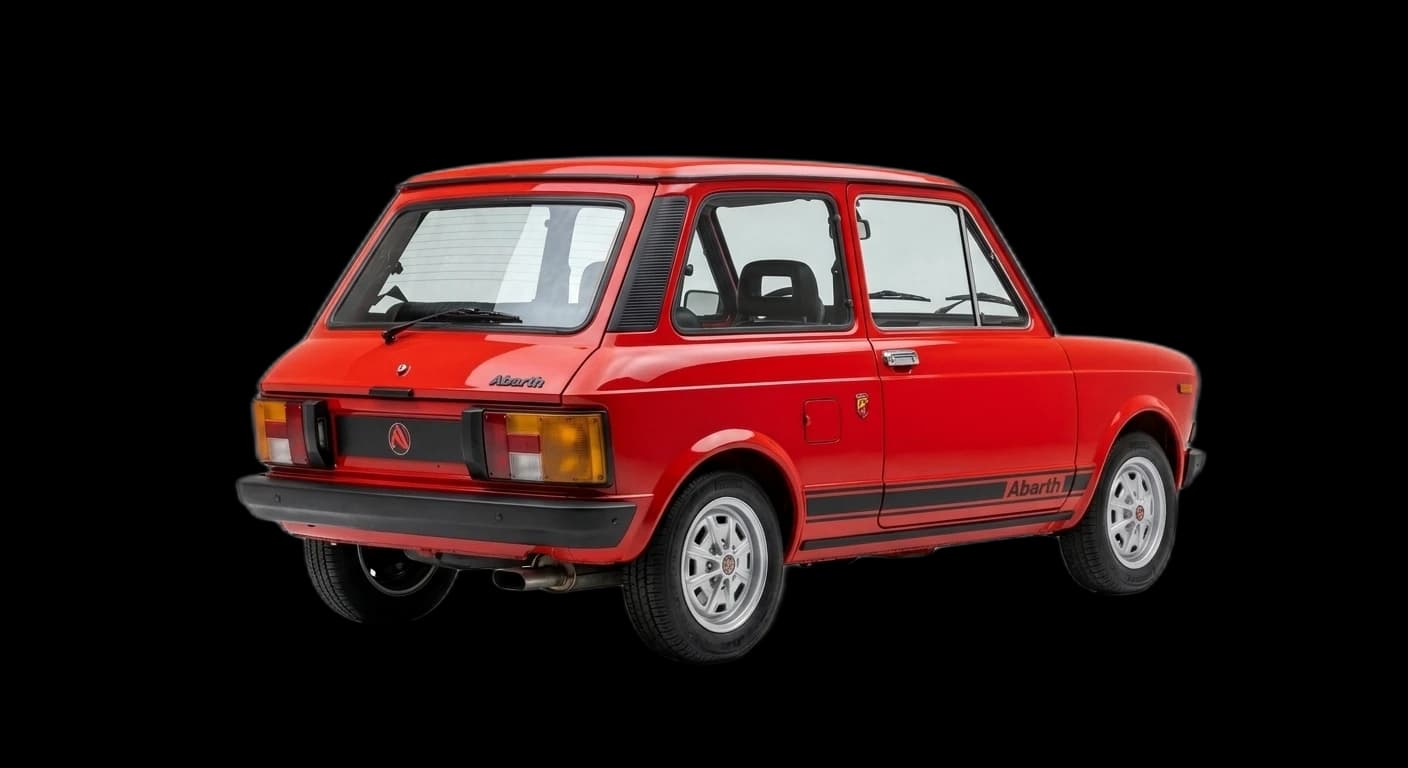
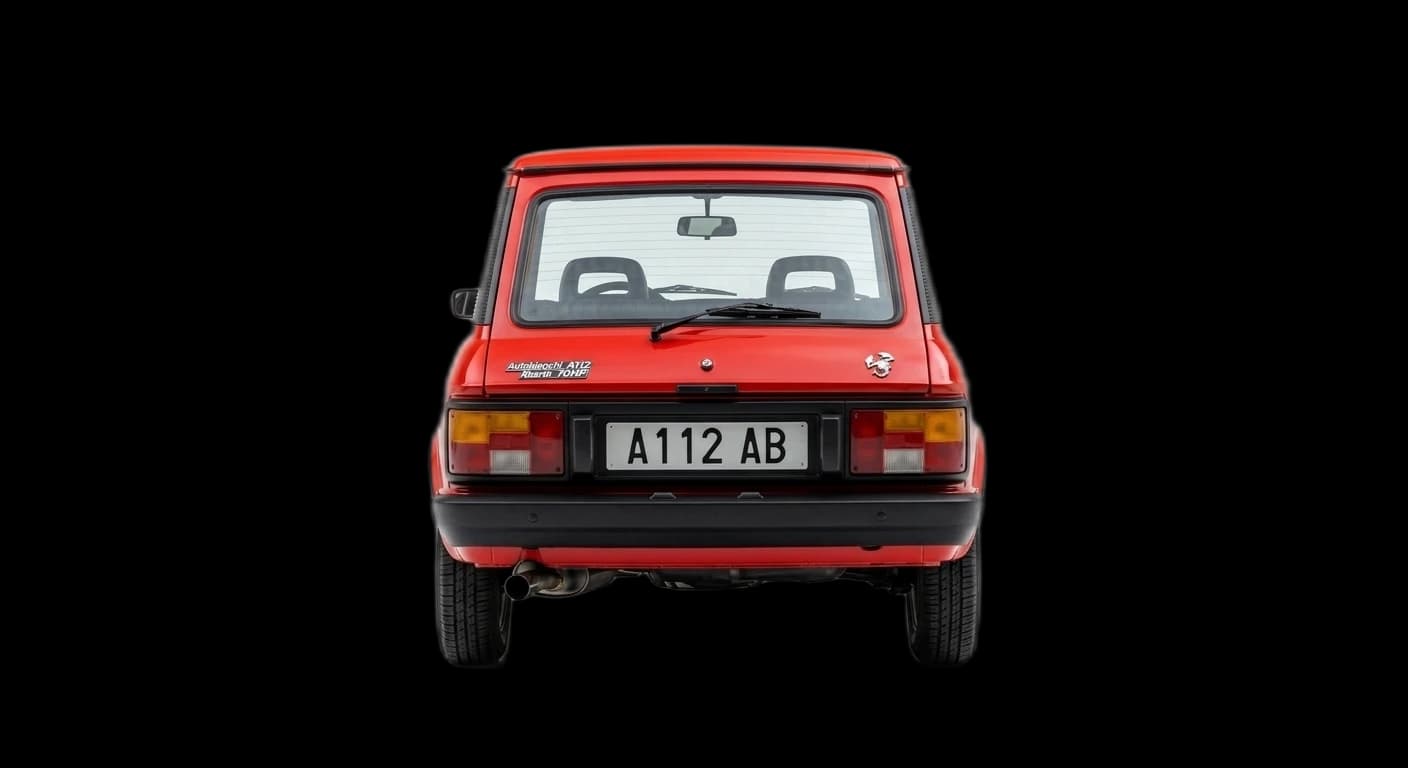
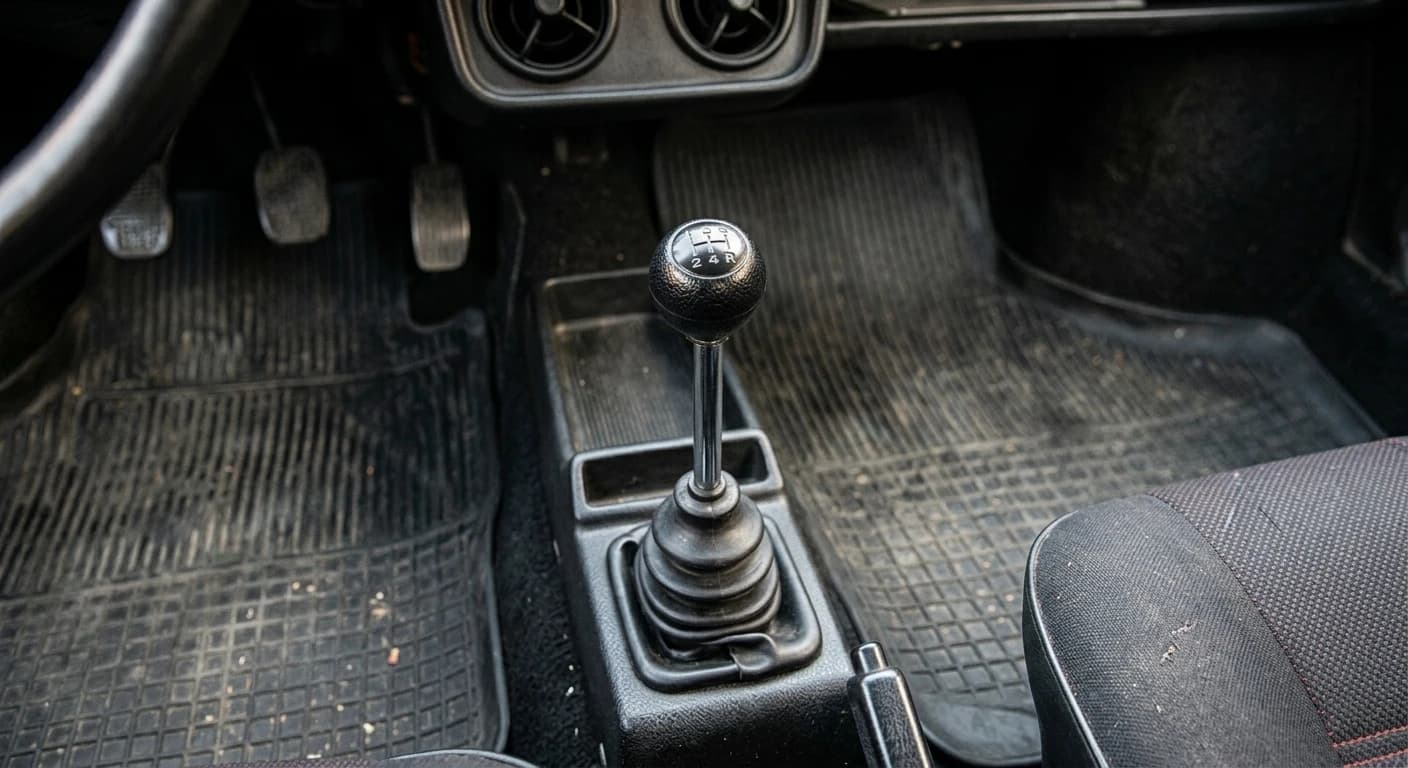
The Autobianchi A112 Abarth was Italy's definitive hot hatchback before the term was even coined, introducing a generation of drivers to the joy of wringing performance from a tiny car. It dominated its class in rallying and circuit racing, establishing Abarth's reputation as the master of small-car tuning.
History
The Autobianchi A112 was introduced in 1969 as a small city car based on Fiat 127 mechanicals, with styling by Marcello Gandini at Bertone. The Abarth version arrived in 1971, following Fiat's acquisition of Abarth in 1971, and quickly became the definitive small performance car for Italian and European enthusiasts. The initial Abarth version used a tuned 982cc engine producing 58 hp, which in a car weighing just 700 kg, delivered genuinely exciting performance. Successive series increased displacement to 1,050cc and eventually offered 70 hp, though the car remained true to the philosophy of extracting maximum fun from minimal resources.
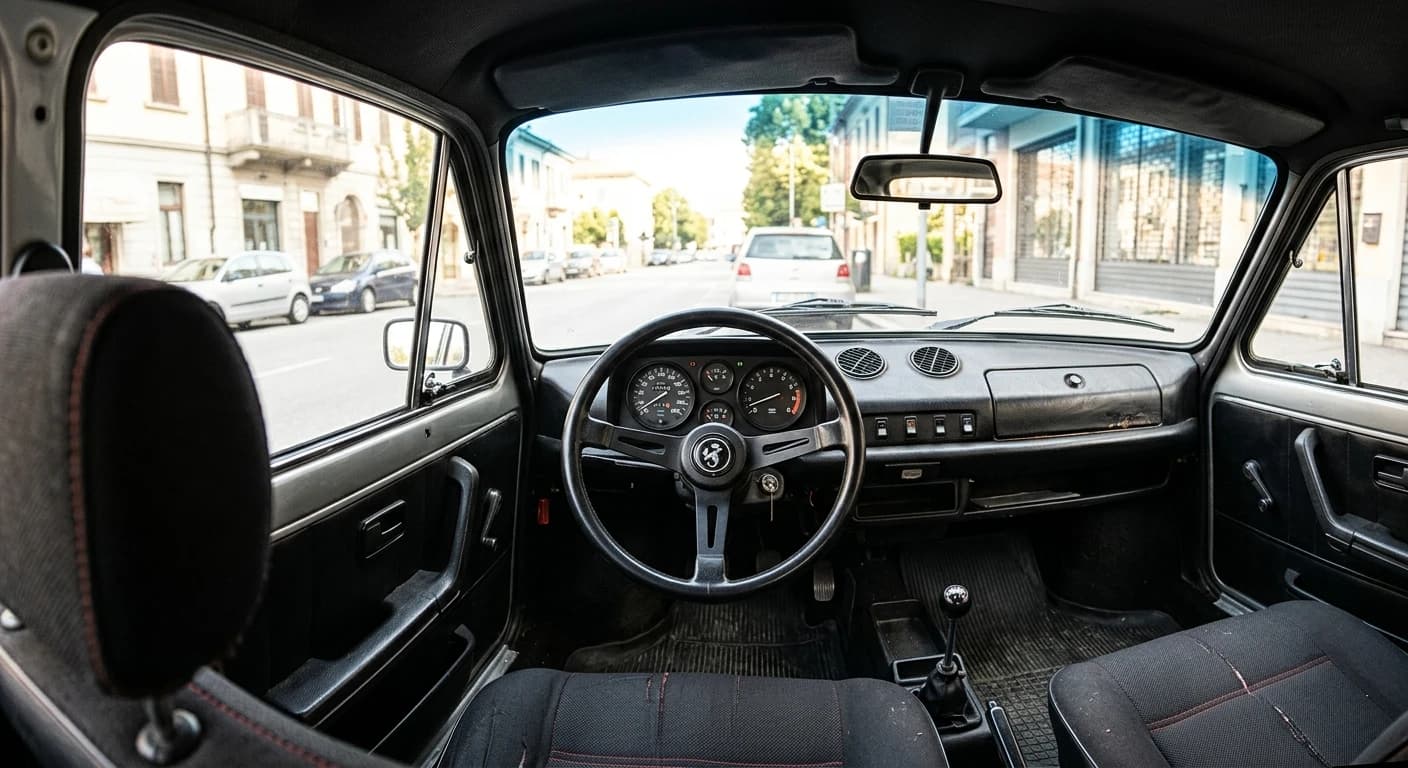
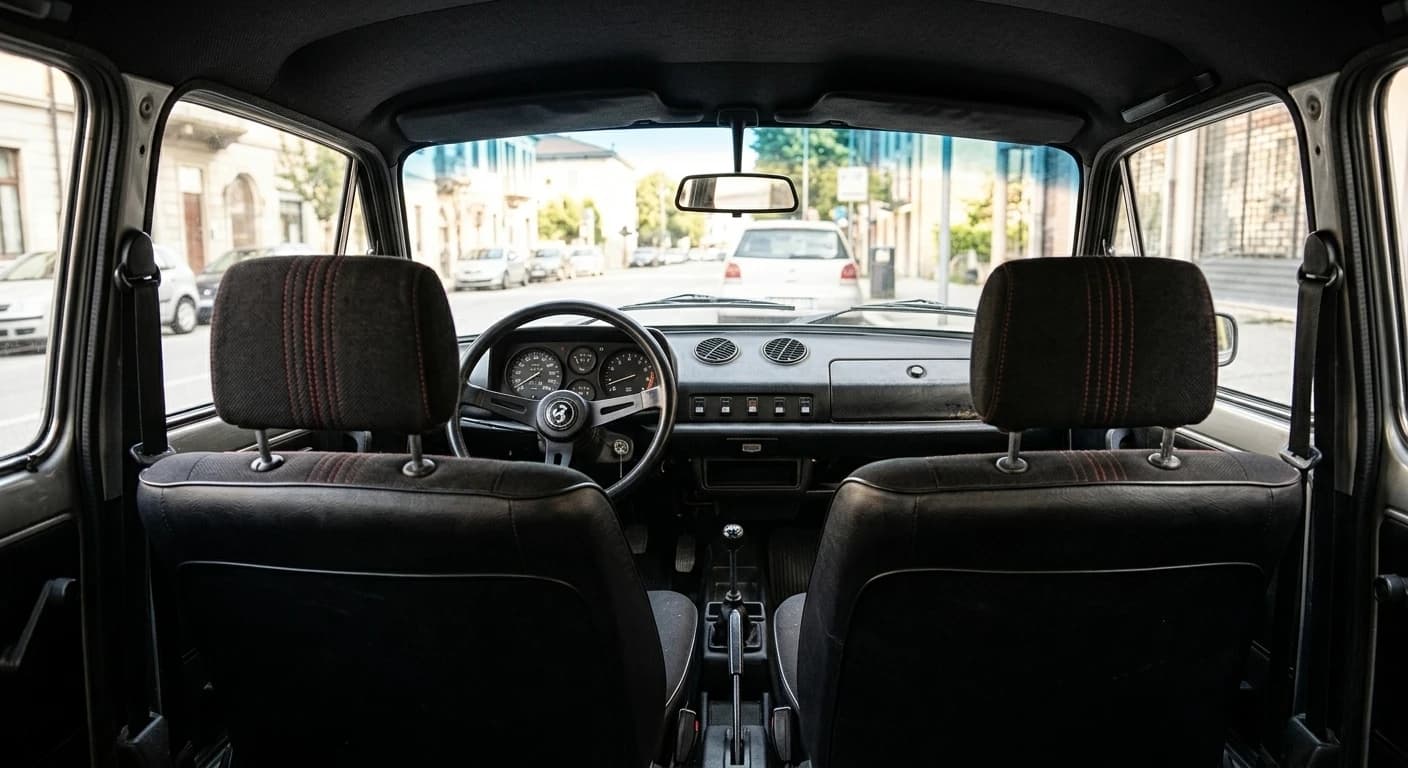
The A112 Abarth's technical specification was simple but effective. The engine was a tuned version of Fiat's inline-four with a single overhead camshaft, fitted with a modified intake manifold, performance exhaust, and revised carburetion. The car sat lower than the standard A112 on stiffer springs and featured uprated dampers, wider wheels with sport tires, and a close-ratio gearbox. Interior modifications included bucket seats, a smaller steering wheel, and Abarth instrumentation. The overall effect was a car that felt vastly more sporting than its modest specifications might suggest, with a willing engine, precise gearshift, and nimble handling that rewarded aggressive driving.
In competition, the A112 Abarth was enormously successful in its class, winning numerous Italian and European rally championships and dominating small-displacement categories in circuit racing. The car was particularly dominant in hillclimbs and rally stages with tight, technical sections where its light weight and agility counted for more than outright power. A factory-backed racing program produced progressively more extreme versions, with some competition cars producing over 100 hp from highly tuned engines. The A112 Abarth also served as a training ground for young racing drivers, many of whom graduated to larger machinery after learning their craft in these pocket rockets.
The A112 Abarth remained in production until 1985, spanning seven series with incremental improvements to each. Total production of all A112 variants exceeded 1.2 million, with the Abarth version accounting for approximately 128,000 of those. Today, the A112 Abarth is a beloved classic in Italy and increasingly appreciated internationally. Well-maintained examples, particularly the earliest Series 1 and 2 cars, have seen values rise as collectors recognize the car's historical importance as a predecessor to the hot hatchback genre. The later Series 7 cars with the 70 hp engine are also sought after for their more refined specification. The A112 Abarth remains a fixture at historic racing events, where its diminutive size and giant-killing ability continue to entertain.
Timeline
Production & Heritage
Value estimates are editorial assessments based on recent auction results and market trends.
Technical Specifications
Engine Details
Performance
Dimensions
Chassis & Suspension
Capacity
Tags
Designed by Marcello Gandini
From the 1970s
Featured in Collections
References & Sources
More in Sports
See all
356 Pre-A
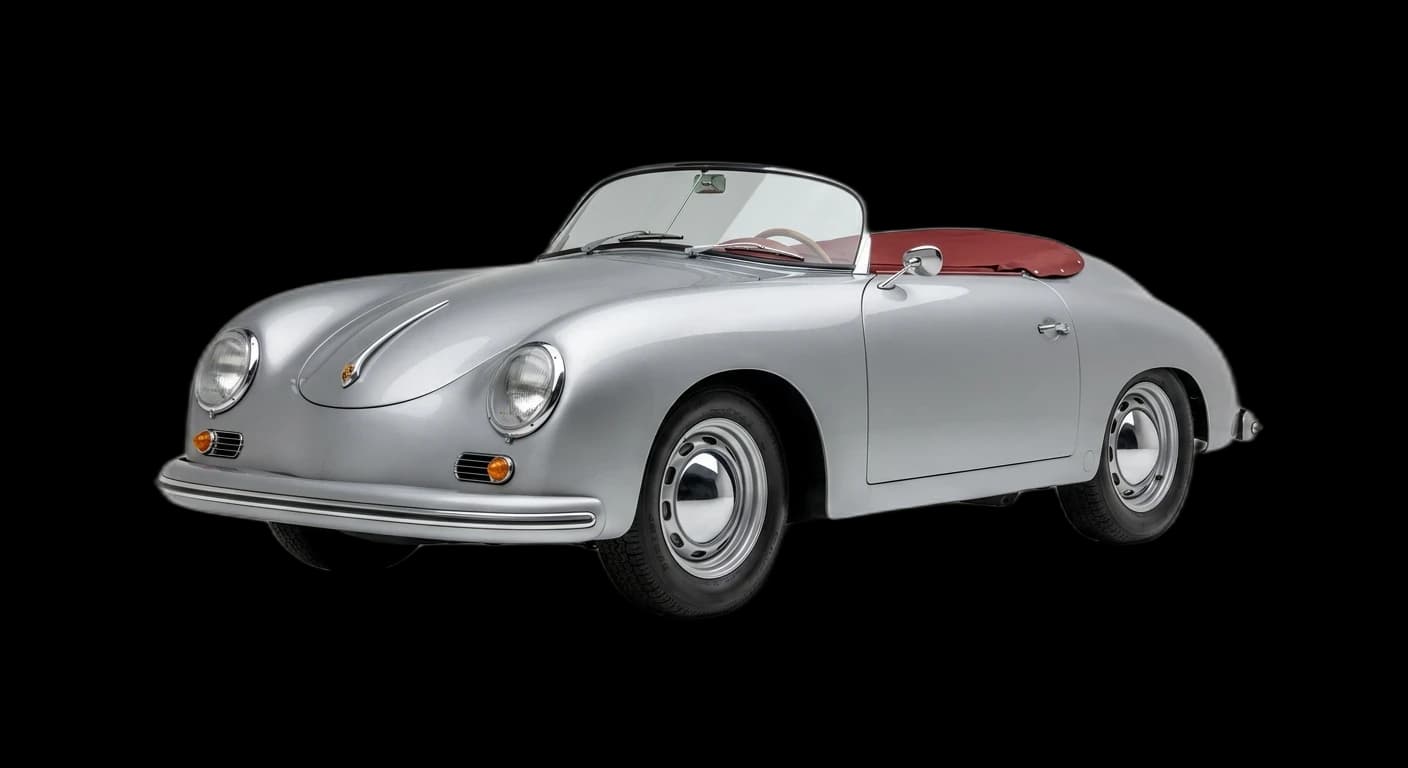
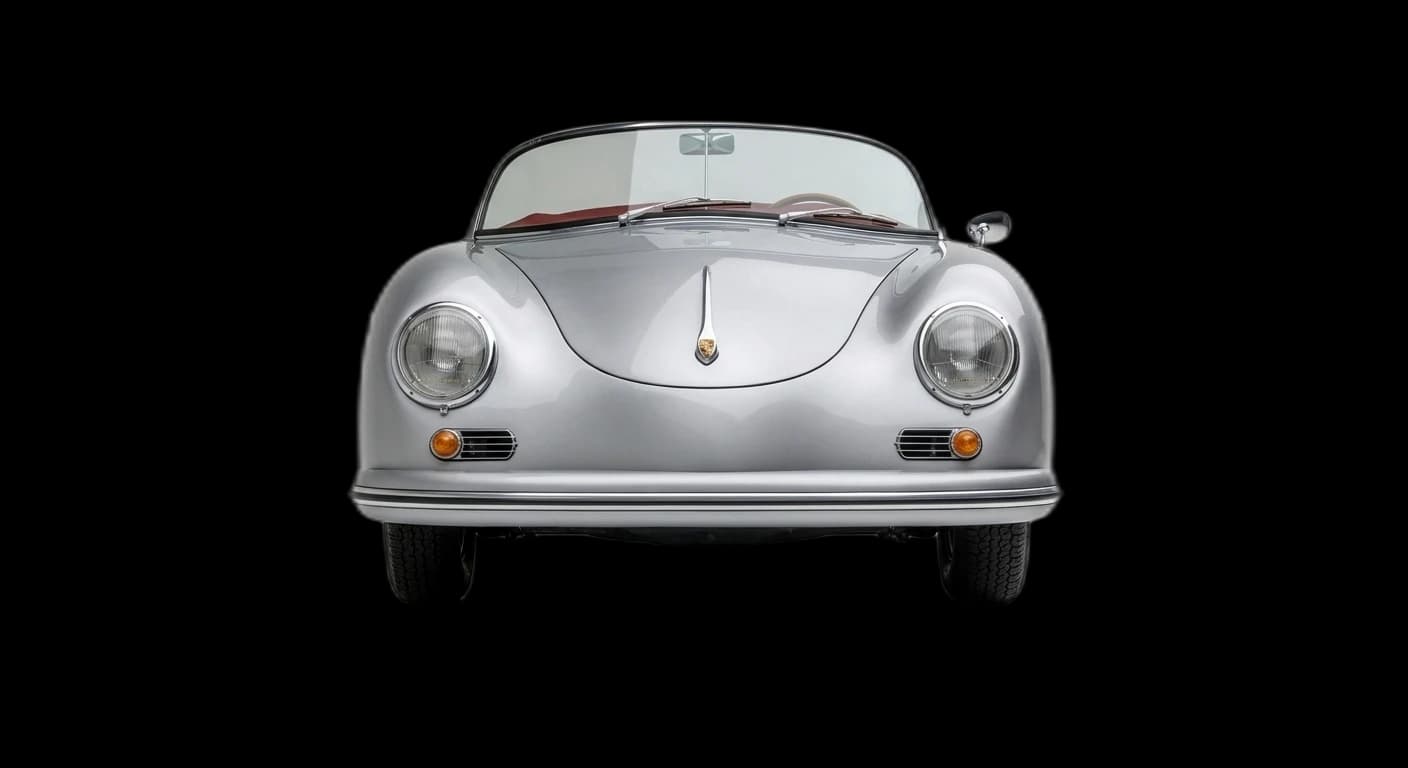
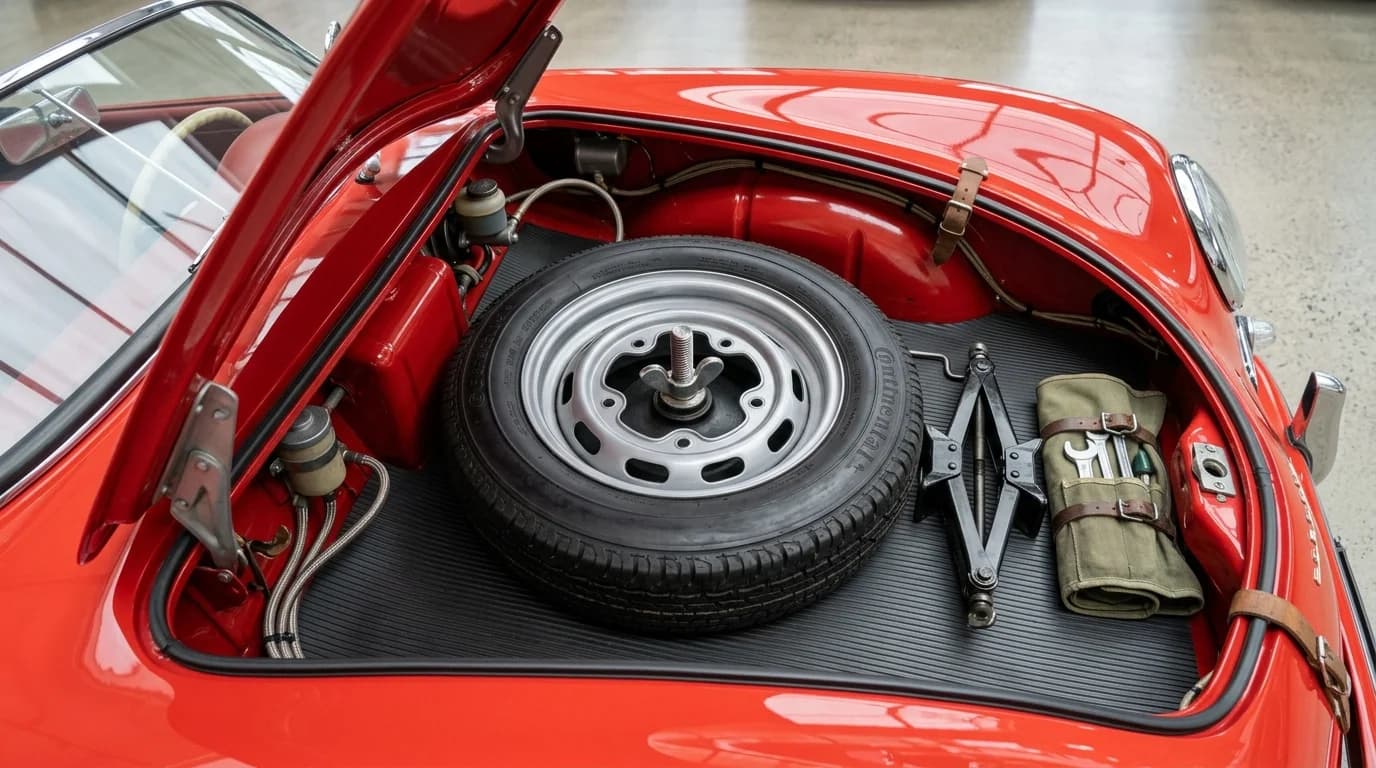
356 Speedster
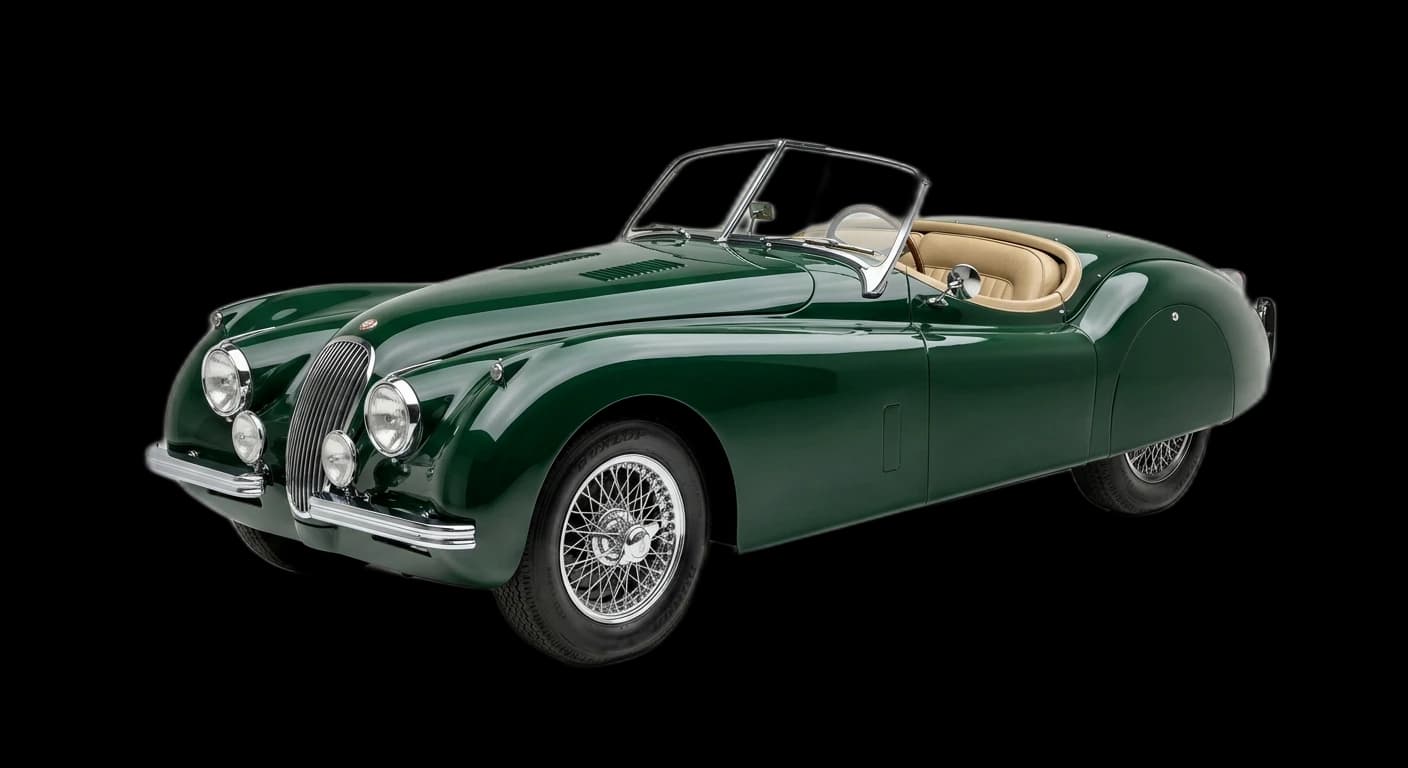
XK120
