

The Lancia Aurelia B20 GT is widely credited as the first true Gran Turismo, combining sporting performance with refined long-distance touring capability. Its V6 engine was the world's first production V6, and its transaxle layout pioneered weight distribution concepts used to this day.
History
The Lancia Aurelia was developed under the direction of the legendary engineer Vittorio Jano, who had previously designed championship-winning cars for Alfa Romeo and Ferrari. The B20 GT coupe, bodied by Pinin Farina, appeared in 1951 as the sporting derivative of the Aurelia saloon. Jano's brief was to create a car that could win races on Saturday and drive to the opera on Sunday, and the result was the car that effectively invented the Grand Touring category as we understand it today.
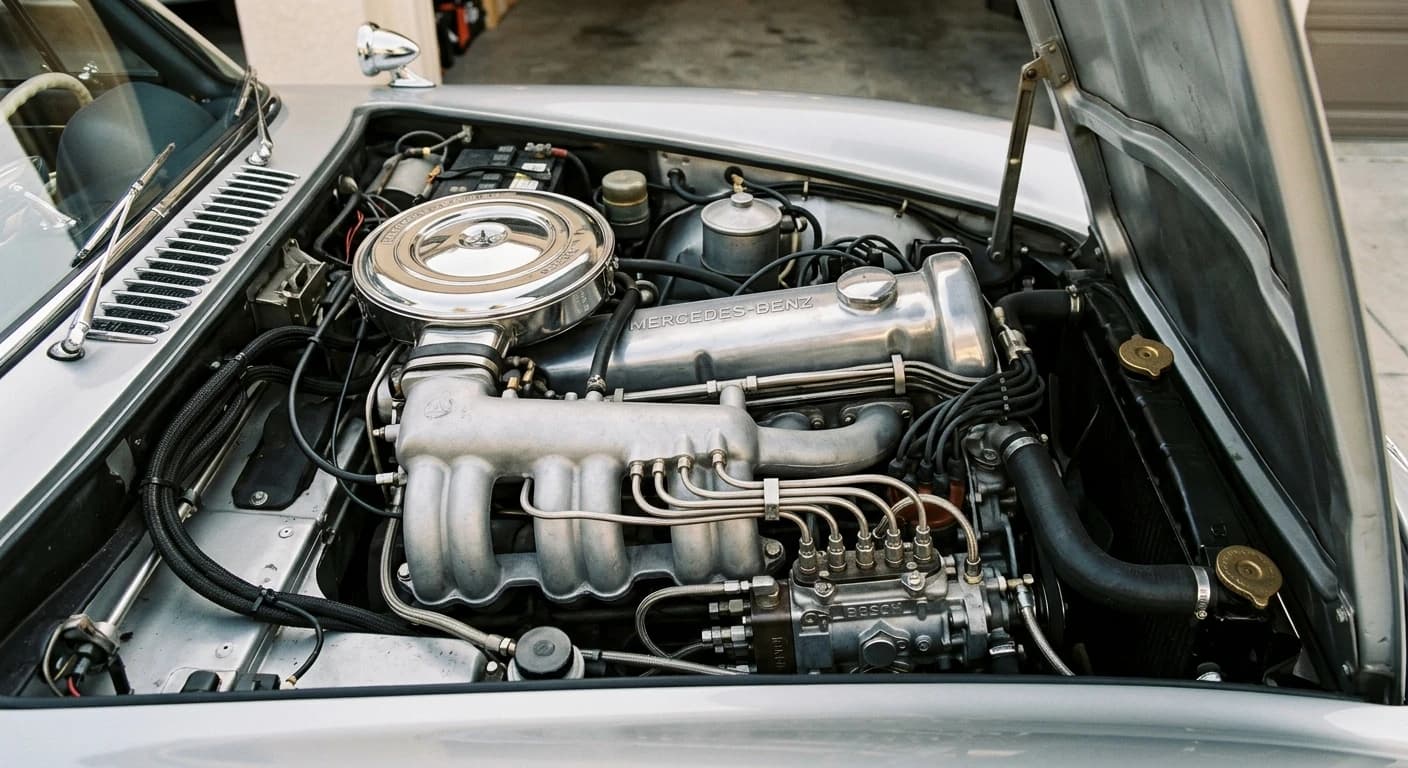
The Aurelia featured the world's first production V6 engine, a 60-degree unit that grew from 1,991 cc in the first series to 2,451 cc in the definitive sixth series. The engine used a unique slide-valve design initially, later changed to conventional poppet valves, and produced up to 118 horsepower in its most powerful form. Equally innovative was the rear-mounted transaxle, which combined the gearbox and differential in a single unit at the rear axle, improving weight distribution. The rear suspension used a semi-trailing arm design with an inboard brake arrangement.
The B20 GT was immediately successful in competition. A second-series car finished second overall at the 1951 Mille Miglia, a remarkable result for a closed GT car competing against open sports racers. B20s won the Targa Florio and performed well at Le Mans, establishing the template for the GT racing category that would become one of motorsport's most popular disciplines. The car's ability to combine speed with comfort and reliability on long-distance events was unprecedented.
The Aurelia B20 GT is now recognized as one of the most important and desirable post-war Italian cars. Its significance as the progenitor of the GT concept, combined with its beautiful Pinin Farina body and sophisticated engineering, makes it a cornerstone of any major collection. Second-series cars with their distinctive lightweight bodies are particularly sought after, but all series command strong prices. The car is a fixture at events like the Mille Miglia Storica, where its combination of performance, reliability, and elegance makes it an ideal choice.
Timeline
Production & Heritage
Value estimates are editorial assessments based on recent auction results and market trends.
Technical Specifications
Engine Details
Performance
Tags
Designed by Vittorio Jano
From the 1950s
Featured in Collections
References & Sources
More in GT
See all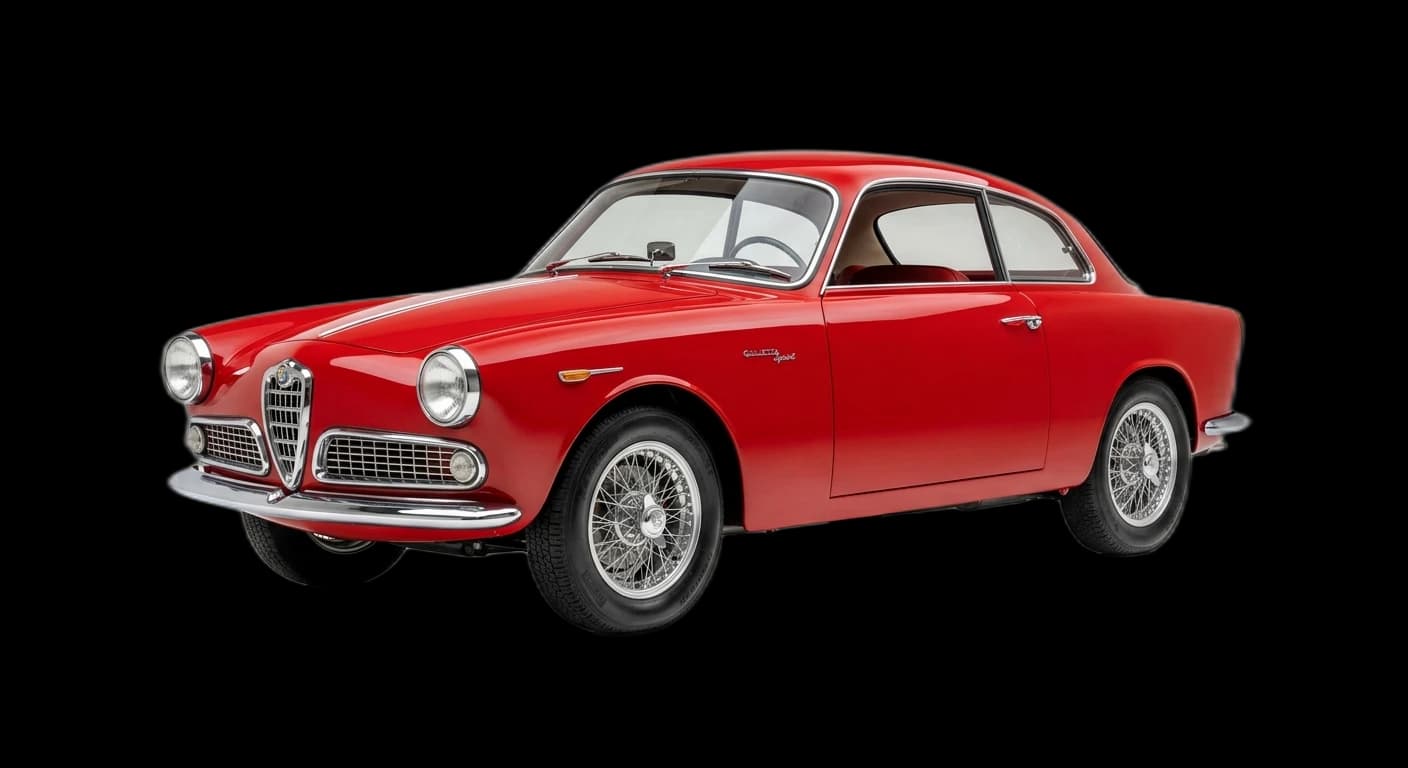







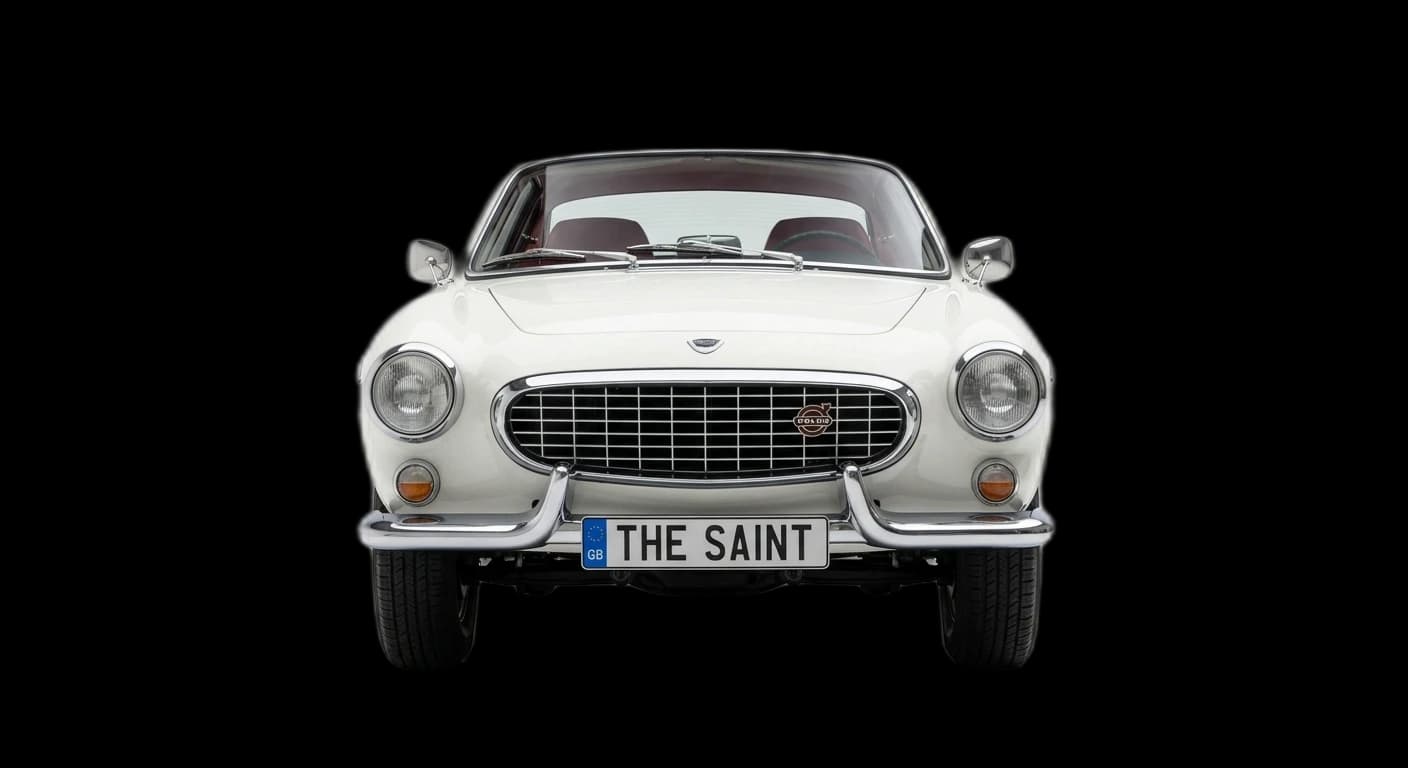
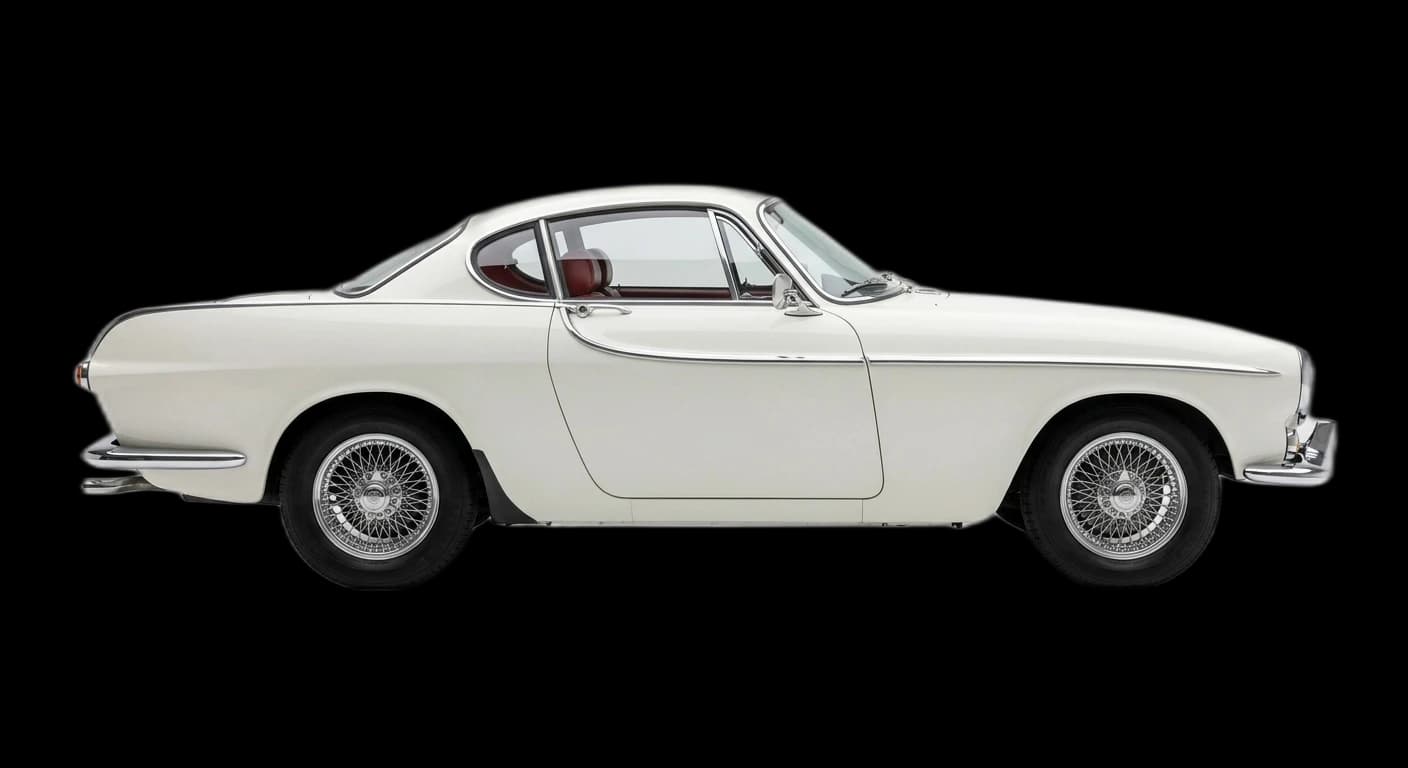
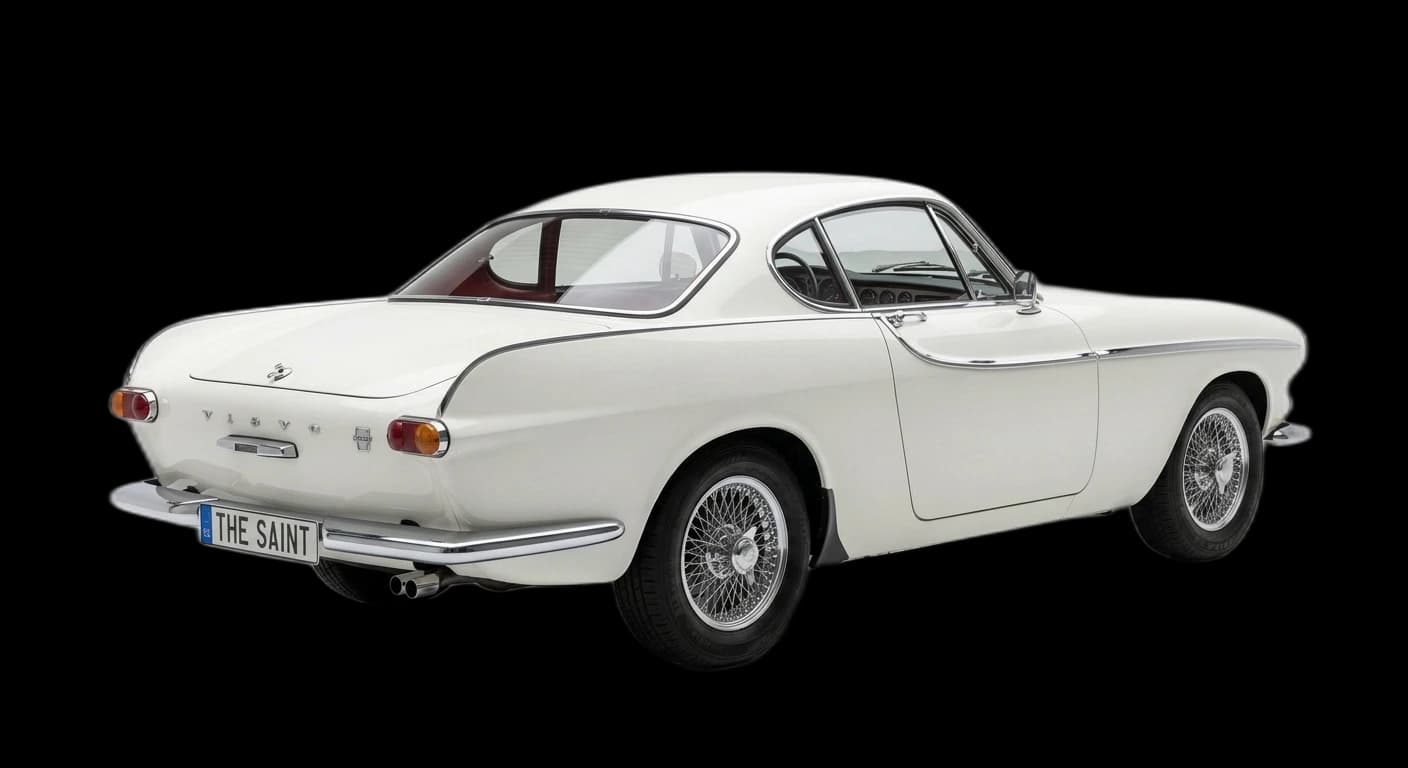
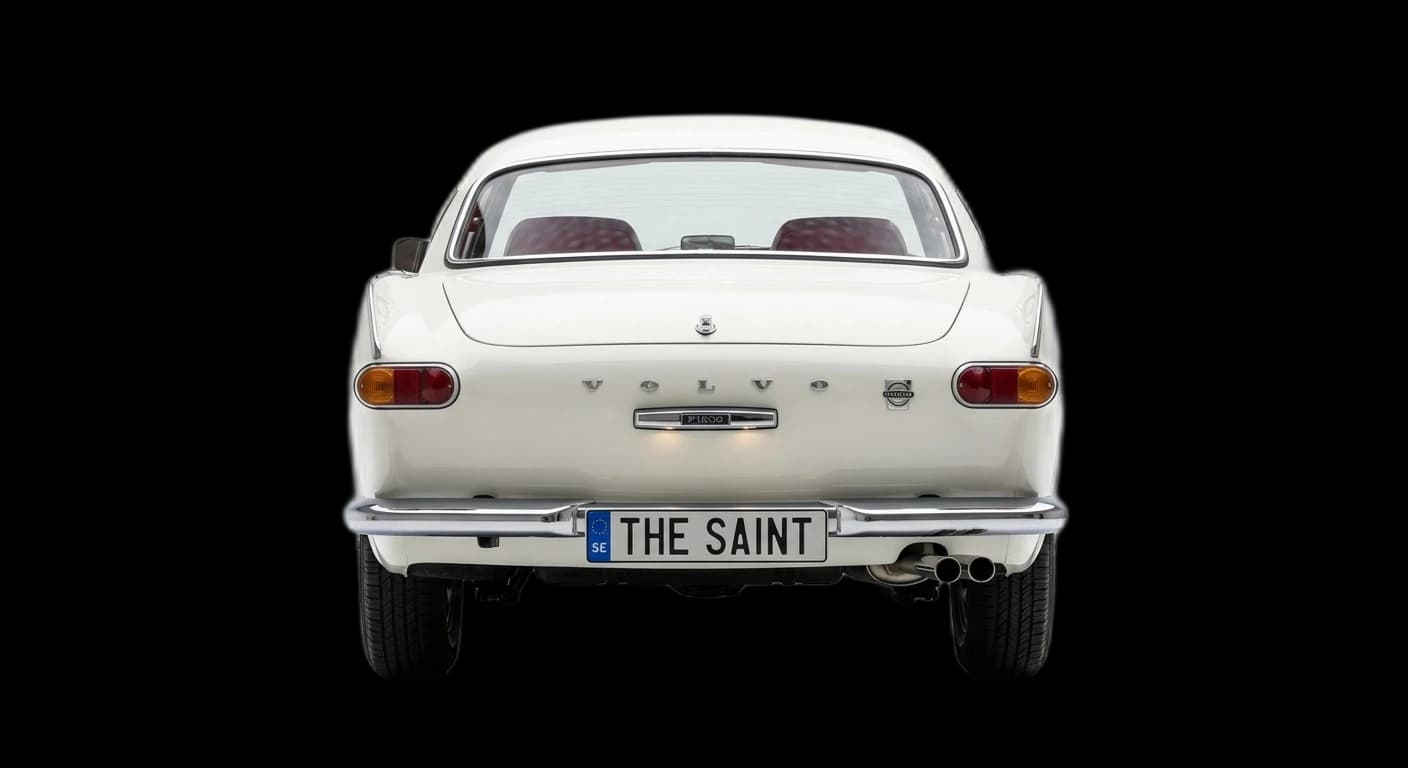

P1800
