
DB9


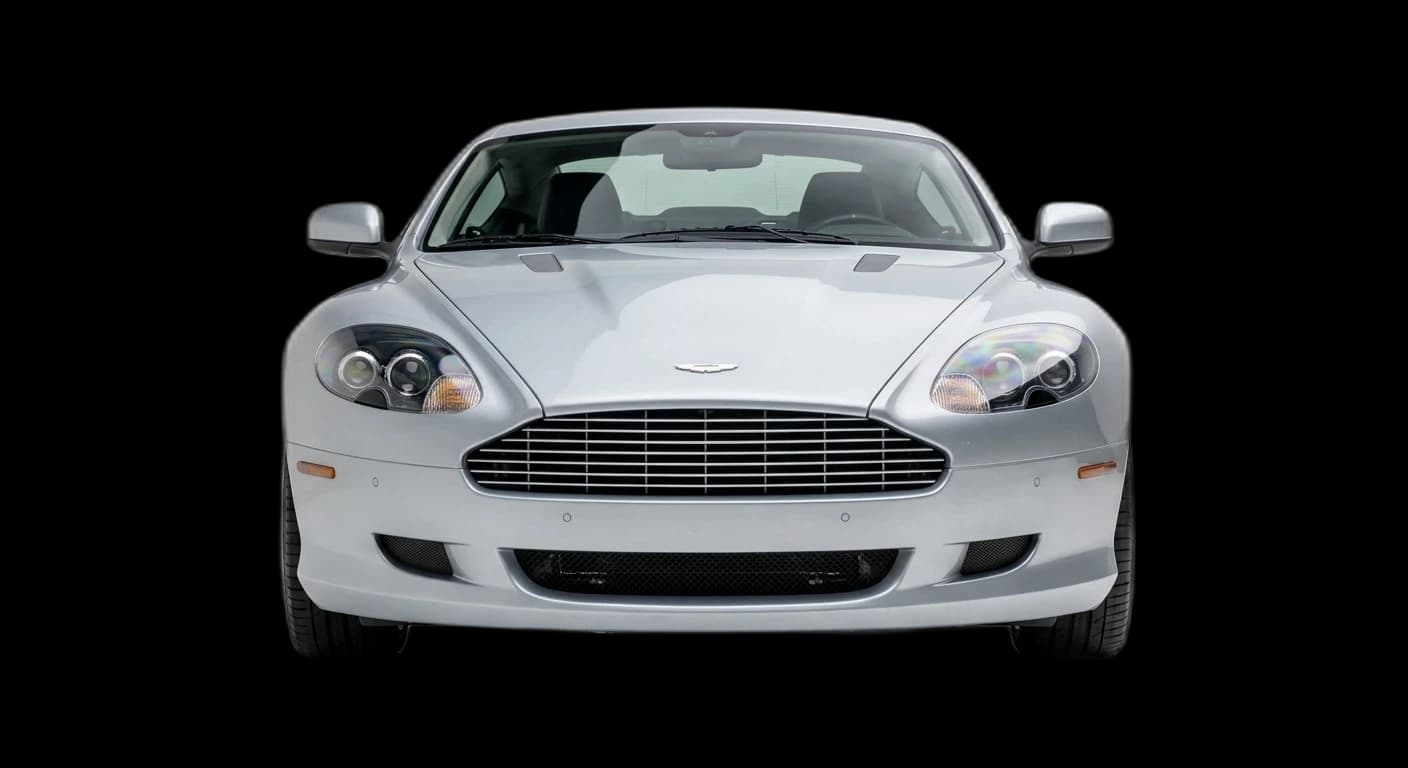
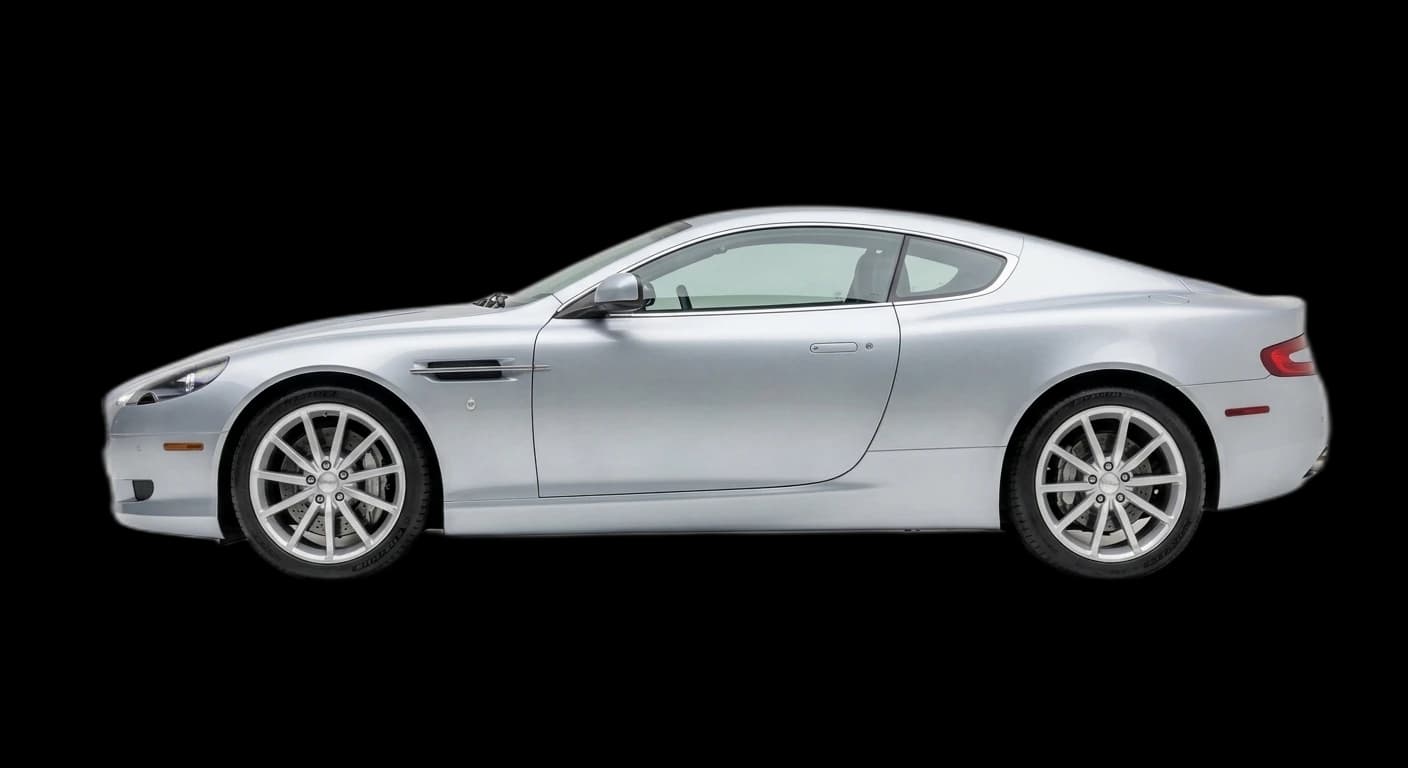
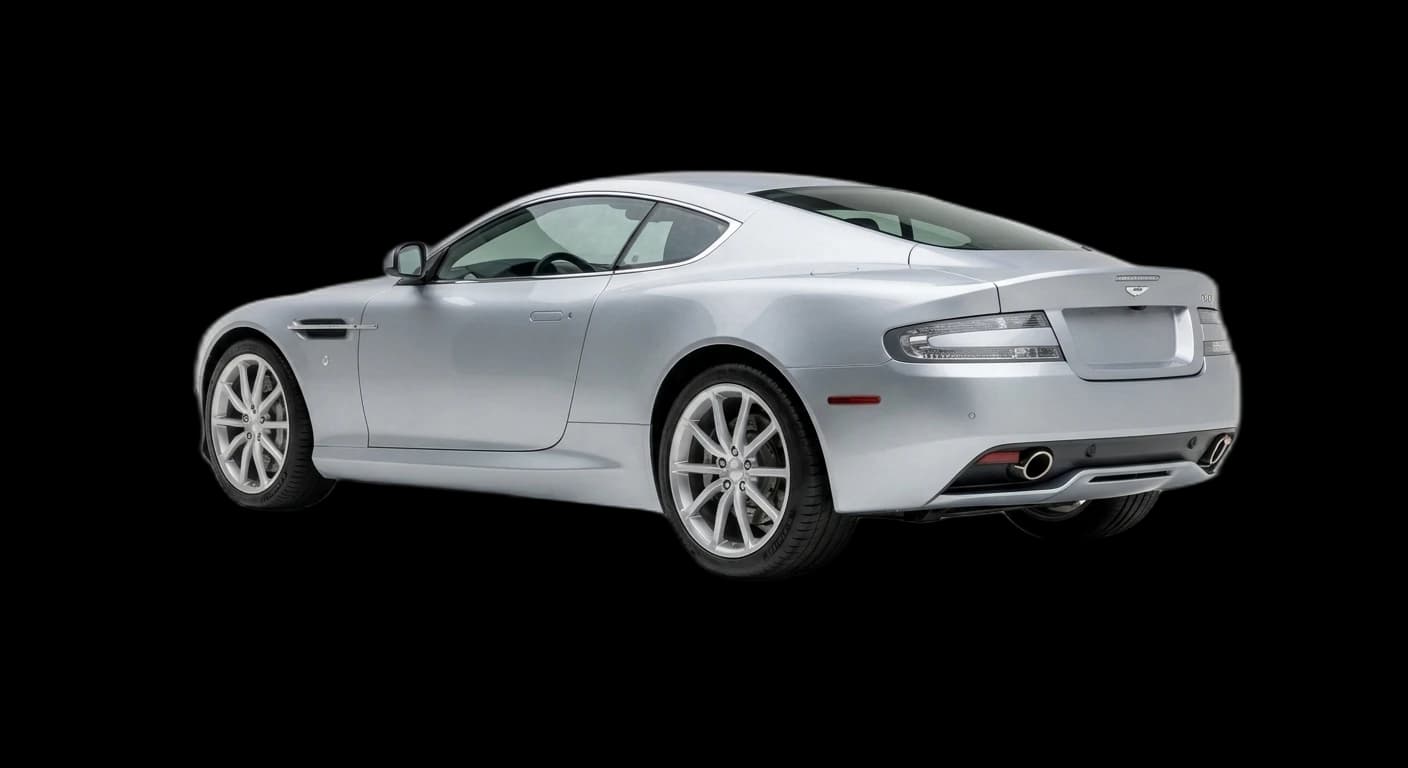
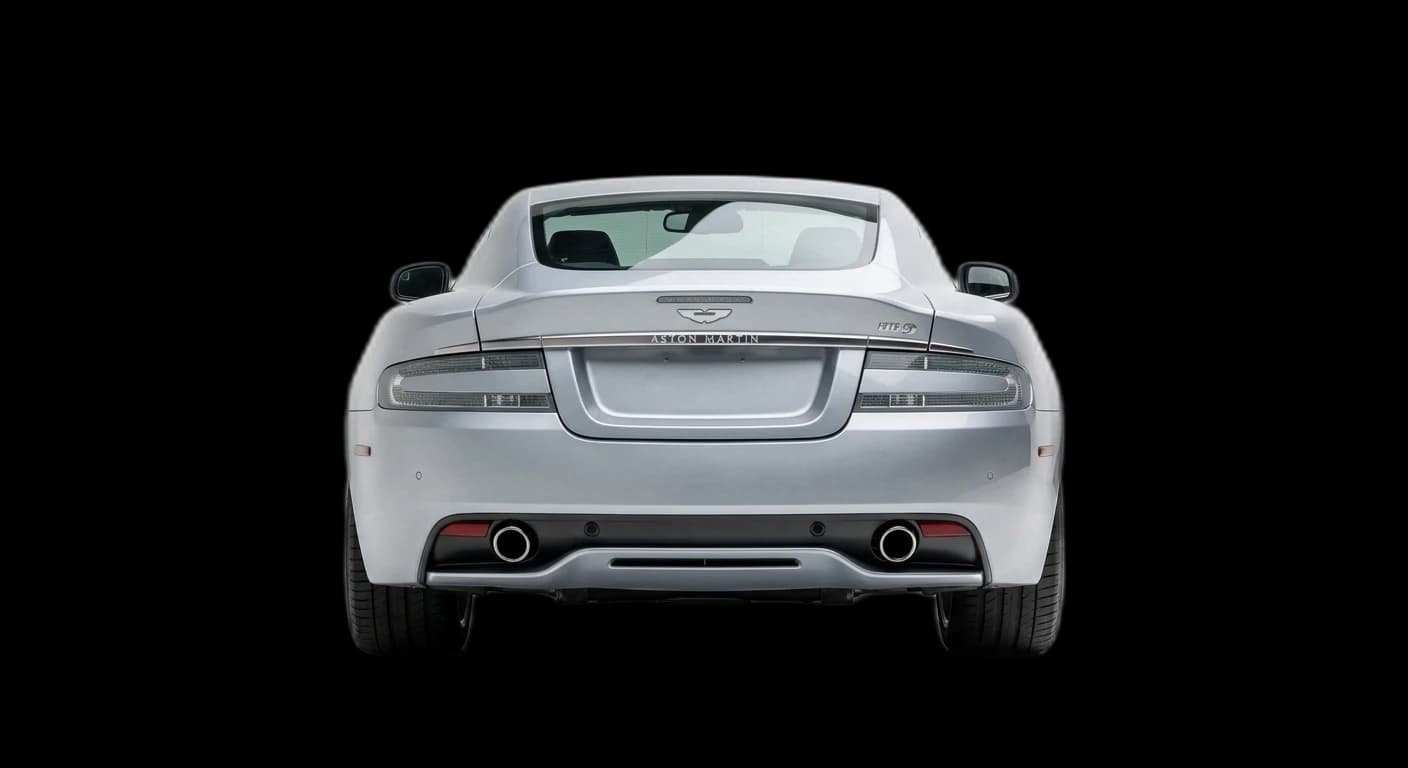
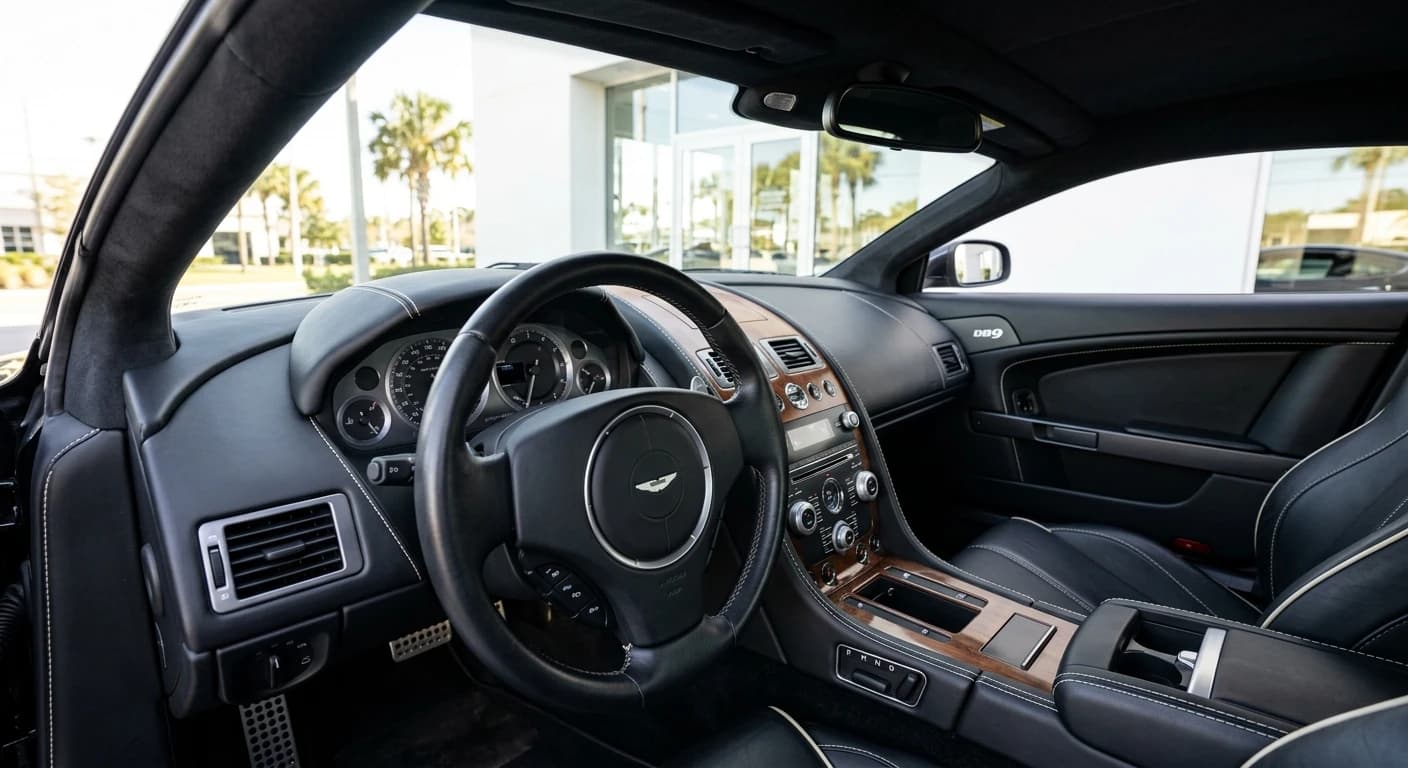
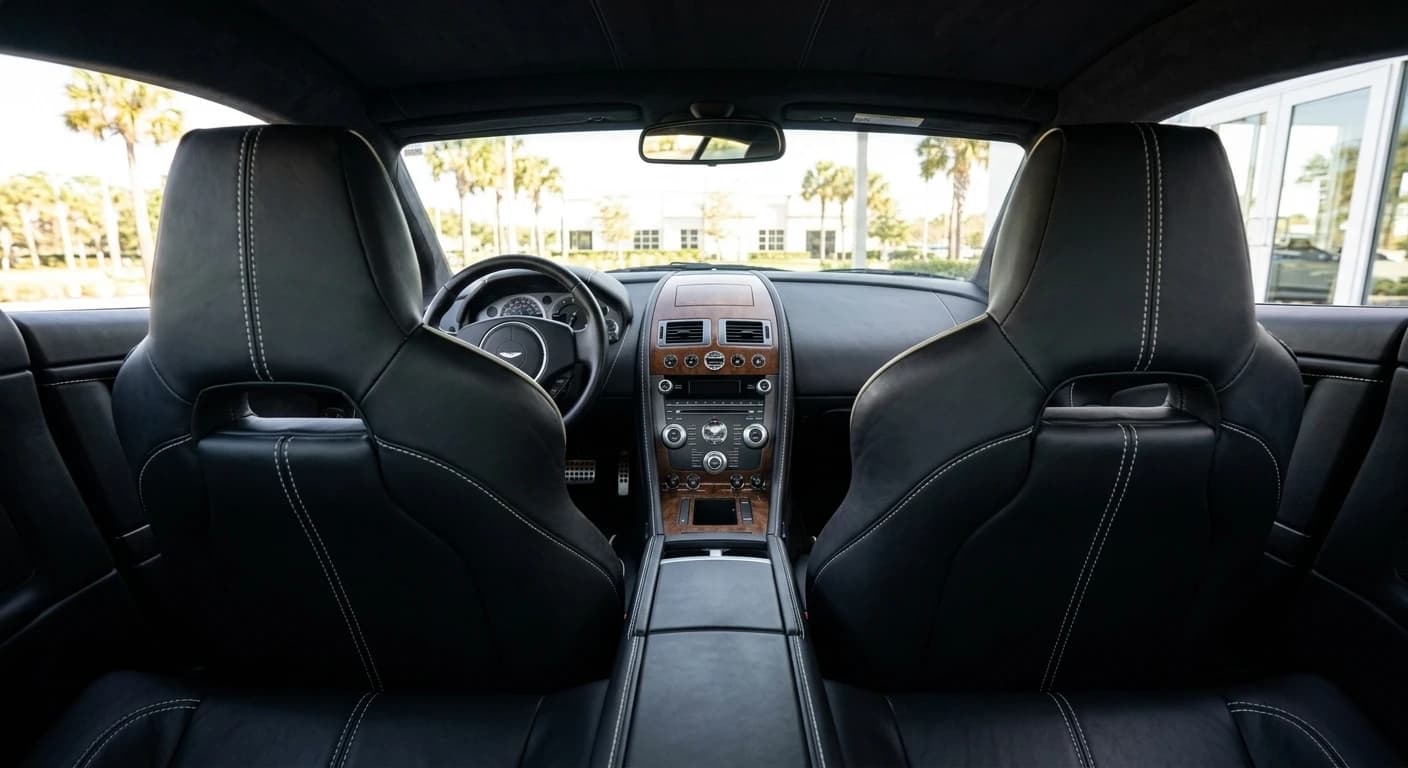
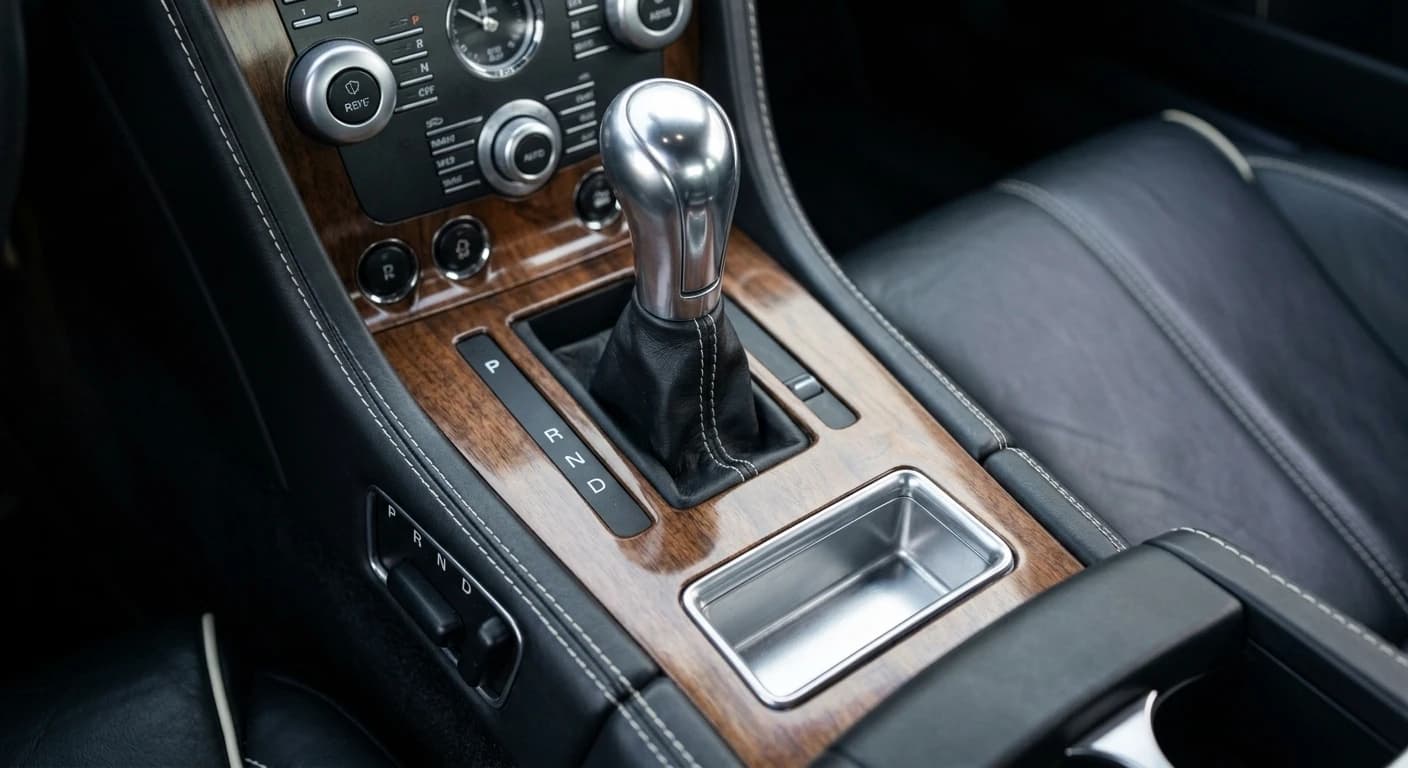
The DB9 was the first car built at Aston Martin's new Gaydon factory and established the VH (Vertical/Horizontal) platform architecture that would underpin every Aston Martin for over a decade. Its design by Henrik Fisker set the visual language for the brand that continues to influence their cars today.
History
The Aston Martin DB9 was the car that launched a new era for the company when it debuted in 2003 at the Frankfurt Motor Show. Designed by Henrik Fisker during his tenure as Design Director, the DB9 was the first car to use Aston Martin's new VH (Vertical/Horizontal) bonded aluminum platform, developed under the technical leadership of Dr. Ulrich Bez. The car was also the first to be built at the purpose-designed Gaydon factory in Warwickshire, replacing the cramped Newport Pagnell works where Aston Martins had been hand-built since 1955.
The DB9 was powered by a front-mounted 5.9-liter V12 engine producing 450 hp (later increased to 470 hp and then 510 hp in successive updates), driving the rear wheels through a rear-mounted six-speed automatic transaxle gearbox that contributed to a near-perfect 50:50 weight distribution. The aluminum chassis was both stiffer and lighter than the steel structure of the DB7 it replaced, while the car's proportions, with its long bonnet, short rear deck, and muscular haunches, created one of the most admired shapes of the 2000s. Build quality represented a quantum leap from previous Aston Martins, with a far more reliable electrical system and improved fit and finish throughout.
The DB9 competed in the GT market against the Ferrari 612 Scaglietti, Bentley Continental GT, and Mercedes-Benz SL 65 AMG, holding its own through sheer beauty and driving engagement rather than outright performance or technological sophistication. It also spawned a racing variant, the DBR9, which competed successfully in the FIA GT Championship and at Le Mans, winning its class at the 24 Hours in 2007 and 2008. The road car was updated several times during its long production run, gaining more power, improved infotainment, and visual refreshes, though Fisker's original design proved so timeless that changes were always evolutionary.
Production of the DB9 ended in 2016 after approximately 16,300 units were built, making it one of the most commercially successful Aston Martins in history. It was replaced by the DB11, which used a new turbocharged engine and a more advanced version of the VH platform. The DB9 today occupies an interesting position in the collector market: early cars are available at relatively modest prices, while late-production, low-mileage examples and the special editions (Carbon Black, Morning Frost, Last of 9) command significant premiums. Fisker's design continues to age gracefully, and the DB9 is increasingly recognized as the car that established modern Aston Martin's identity.
Timeline
Production & Heritage
Value estimates are editorial assessments based on recent auction results and market trends.
Technical Specifications
Engine Details
Performance
Tags
Designed by Henrik Fisker
From the 2000s
Featured in Collections
More in GT
See all
300 SL Gullwing
Giulietta Sprint
P1800
